Sao Joao Festival Goa: Leaf Crowns and Leaps Into Wells in June
Every June, young Goans wear leaf crowns and leap into wells and ponds to mark the feast of St John the Baptist. What Sao Joao is and how to see it.
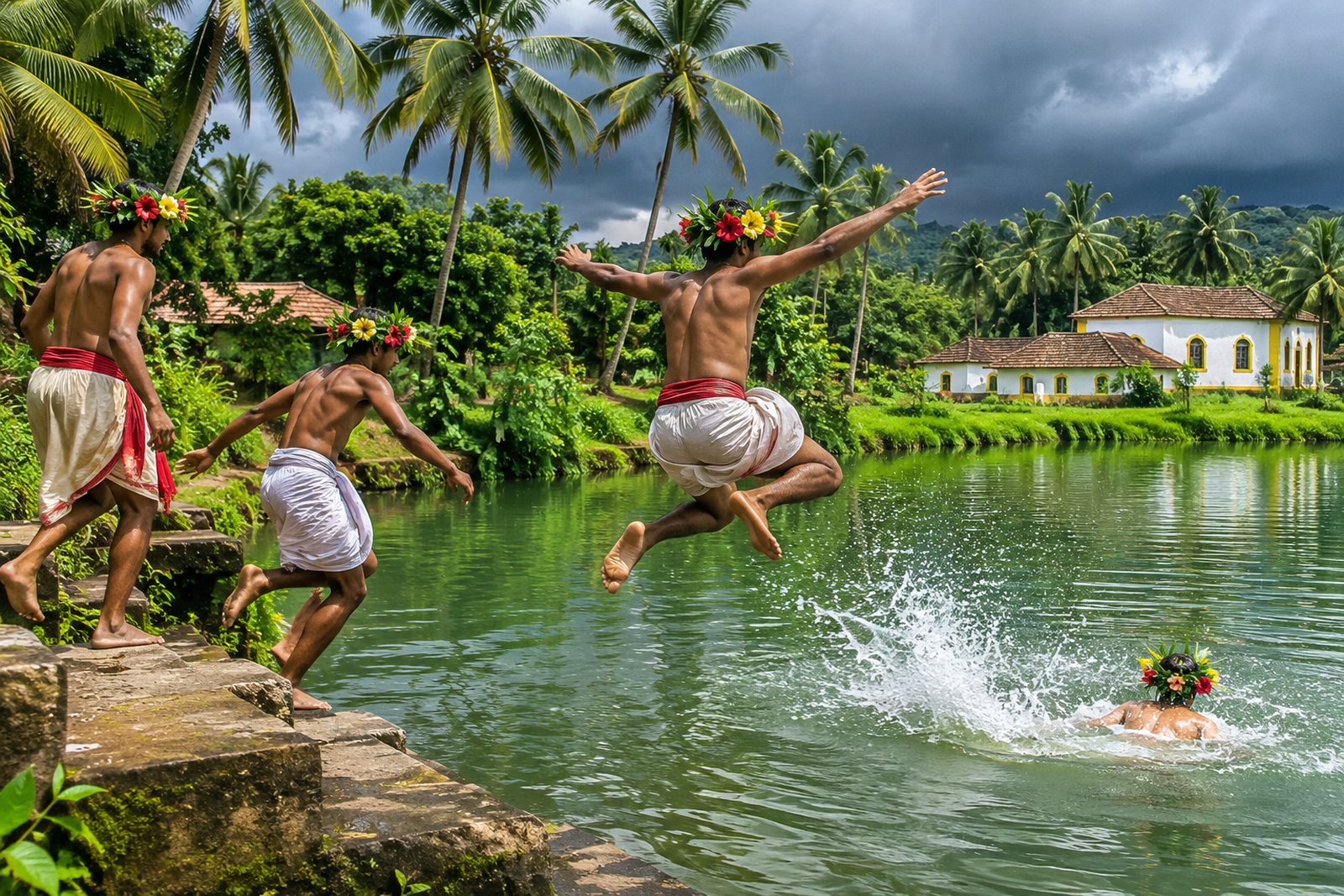
Splash.
Then a roar of laughter from the crowd around the village pond, a few whistles, a brass band somewhere playing slightly out of tune, and another young man in a crown of leaves and flowers climbing onto the edge, grinning, ready to jump. The rain has been falling all morning. Nobody cares. It is 24 June in Goa, and this is Sao Joao.
If you have only seen Goa in December, this is a different state altogether. Here is what the festival is, why it happens in the wettest month of the year, and how a visitor can see it respectfully.
What is the Sao Joao festival?
Sao Joao (pronounced roughly "sao zhwao") is the Goan Catholic celebration of the feast of St John the Baptist, held on 24 June. Its most famous custom: young men leaping into wells, ponds, streams and rivers, wearing a kopel, a crown woven from leaves, fruits and flowers.
The story behind it comes from the Gospel. When Mary, pregnant with Jesus, visited her cousin Elizabeth, who was carrying John, the unborn baby is said to have leapt with joy in his mother's womb. Goan Catholics took that leap and turned it into a festival. The monsoon, filling every well and pond to the brim just in time, did the rest.
What happens on the day
Sao Joao is a village festival, not a stage show. Things you are likely to see:
- Kopels everywhere. Crowns of leaves, wild flowers and seasonal fruits, made the night before, worn by men and boys.
- The jump. Into wells, village ponds, streams, sometimes with a running start and a shout of "Viva Sao Joao!"
- Music and singing. Brass bands, guitars, traditional Konkani songs sung from house to house.
- Food and drink. Feni flows freely in many places, and households share seasonal fruits and sweets.
- Sons-in-law visiting. In many Goan families, a newly married son-in-law is welcomed home for his first Sao Joao with gifts, often baskets of fruit. It is a lovely, gently teasing tradition.
Siolim and the boat floats
The village of Siolim in North Goa is especially known for its Sao Joao, with decorated boats and floats on the river and a lively competitive spirit. Other villages in Bardez and beyond have their own events, some organised by local groups and parishes. Exact programmes change every year, so ask locally or check Goa Tourism announcements.
Did you know? Around the same time of year, a few coastal villages in Bardez hold a separate celebration called Sangodd, for the feast of Saints Peter and Paul, with performances on rafts made of boats tied together. If you are in Goa for the last week of June, you might catch both.
Why visit Goa in June?
Honestly, June is not for everyone. The sea is rough, swimming at most beaches is unsafe, many water sports stop for the season, and some beach shacks close. But Goa in the monsoon has its own fans:
- Everything is green: paddy fields, laterite walls covered in moss, hills full of waterfalls.
- Hotels are quieter and the crowds are thinner.
- Village festivals like Sao Joao show a side of Goa most tourists never see.
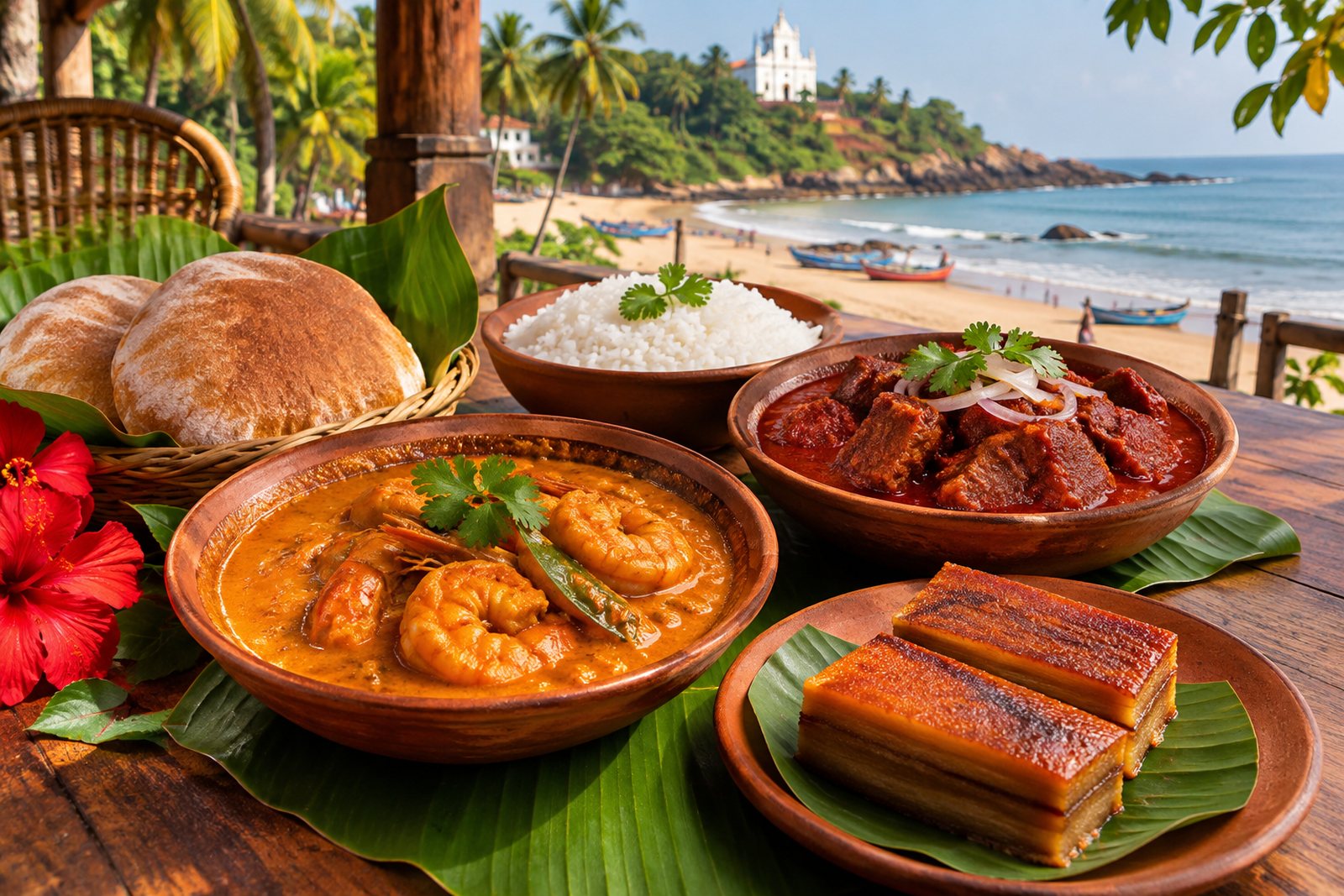
- Goan food in the rain, from fish curry rice to bebinca, simply tastes better.
How to see Sao Joao respectfully
This is a community celebration, often with a religious side, so join in like a guest.
- Watch, do not jump. Wells and monsoon-filled ponds can be deep, slippery and dangerous, especially with alcohol involved. Local authorities often issue safety advisories; follow them.
- Ask before photographing people, especially families and elders.
- Dress for rain: Quick-dry clothes, sandals with grip, a light raincoat rather than an umbrella in crowds.
- Drive carefully: Roads are wet and people are celebrating. Better still, let a driver handle it.
Our tip: Base yourself in North Goa, around Calangute, Candolim or Anjuna, for easy reach to Siolim and the Bardez villages, and keep the day flexible. Sao Joao does not run on a strict timetable; it flows with the rain.
A monsoon Goa trip
If Sao Joao is the reason for your trip, build a few slow days around it: waterfalls, spice farms, old churches, and long lunches while the rain hammers the roof.
The Goa Classic Grand gives you five nights with a North Goa and a South Goa sightseeing day, leaving time for village festivals, as per the package itinerary. Goa Classic Royale adds a sixth night. Goa Dudhsagar Escape Grand includes Dudhsagar and a river cruise, though the Dudhsagar route often closes in heavy monsoon for safety, so check before you count on it.
Quick facts for planning
- Date: 24 June every year; some events on the nearest weekend.
- Where: Villages across Goa, with Siolim among the best known.
- Weather: Heavy rain likely; plan indoors-outdoors balance.
- Book: Monsoon deals are common, but festival weekends in popular villages fill up.
Sao Joao is Goa laughing at the rain. You do not have to jump in to feel it. Just stand near the pond, get a little wet, and cheer.
For more of rainy Goa, read our Goa in monsoon guide or browse all Goa holiday packages.
Frequently asked questions
When is Sao Joao celebrated in Goa?
Sao Joao is celebrated on 24 June, the feast of St John the Baptist. Some villages hold events on the nearest weekend too, so check local announcements.
Why do people jump into wells during Sao Joao?
The jump recalls the Gospel story in which the unborn John leapt in his mother Elizabeth's womb when Mary visited her. In Goa it became a joyful custom, helped by the monsoon filling wells, ponds and streams.
Where is the best place to see Sao Joao in Goa?
Many villages celebrate, especially in North Goa. Siolim is well known for its Sao Joao boat floats on the river. Ask locally where community events are happening.
Is it safe to jump into wells during Sao Joao?
Visitors should watch rather than jump. Wells and monsoon-fed water can be deep and fast, and alcohol makes it riskier. Local authorities often issue safety advisories, so follow them.
Is June a good time to visit Goa?
June is the start of the monsoon, so beaches are rough and many water sports stop, but Goa is green, quiet and less crowded. It suits travellers who want rain, food and festivals rather than beach days.