Do Dham vs Char Dham: Which Yatra Fits Your Family?
Kedarnath and Badrinath, or all four dhams of Uttarakhand? Days, road travel, treks and fitness compared for families planning the yatra.
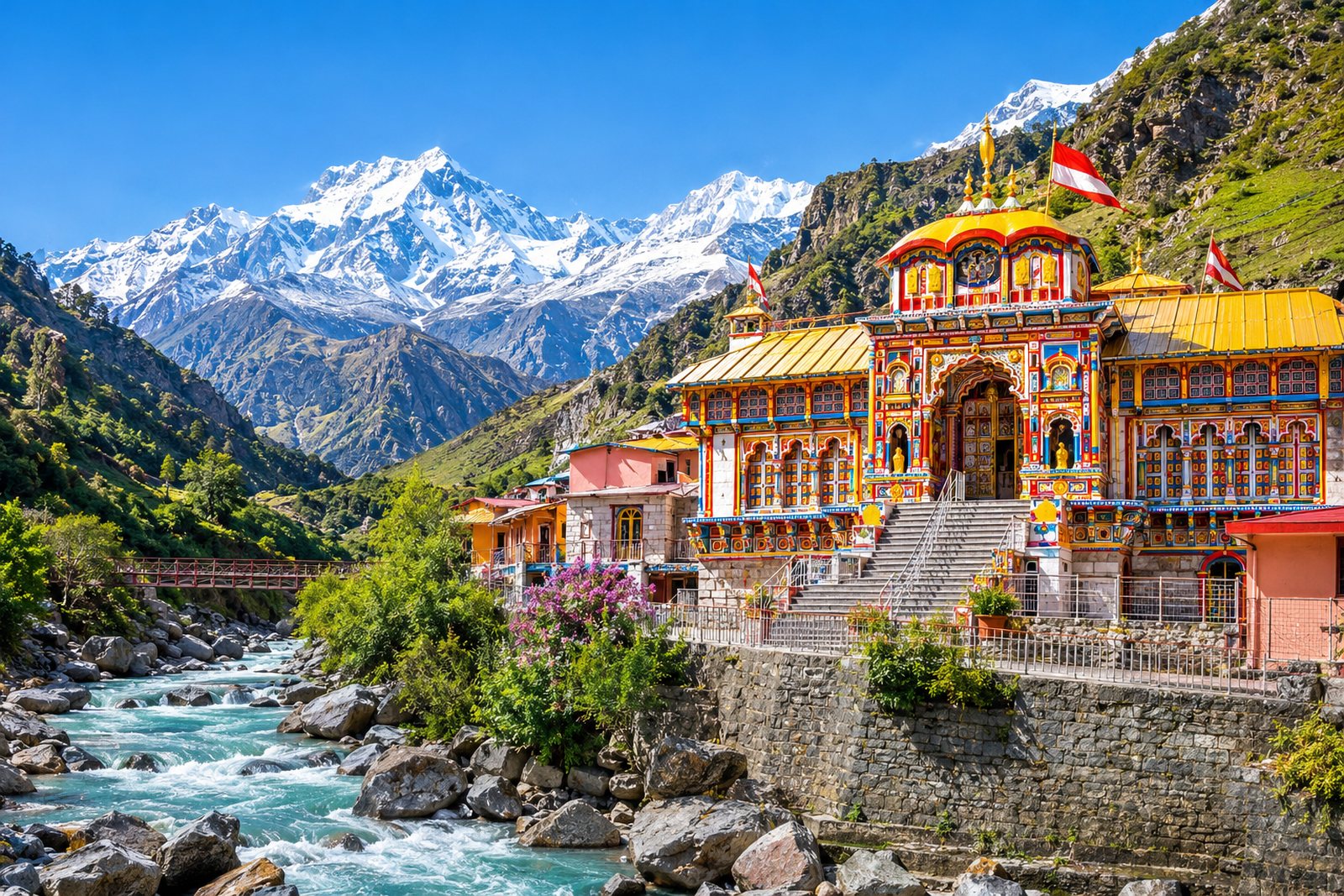
Ask a family planning a Himalayan yatra what they want, and the first answer is always "Char Dham". Ask again after they look at the map, and the answer gets more thoughtful.
That is because the four dhams of Uttarakhand are spread across two river valleys, with long mountain roads between them, two treks, and a short season. For some families, all four in one go is the dream of a lifetime. For others, especially with elderly parents, two dhams done properly is wiser than four done in a rush.
Here is an honest Do Dham vs Char Dham comparison: days, road hours, treks, fitness, season and who should choose which.
First, what do the names mean?
In the wider Hindu tradition, the Char Dham are Badrinath, Dwarka, Puri and Rameswaram, the four corners of India associated with Adi Shankaracharya. The yatra most people mean in the hills is the Chota Char Dham of Uttarakhand: Yamunotri, Gangotri, Kedarnath and Badrinath.
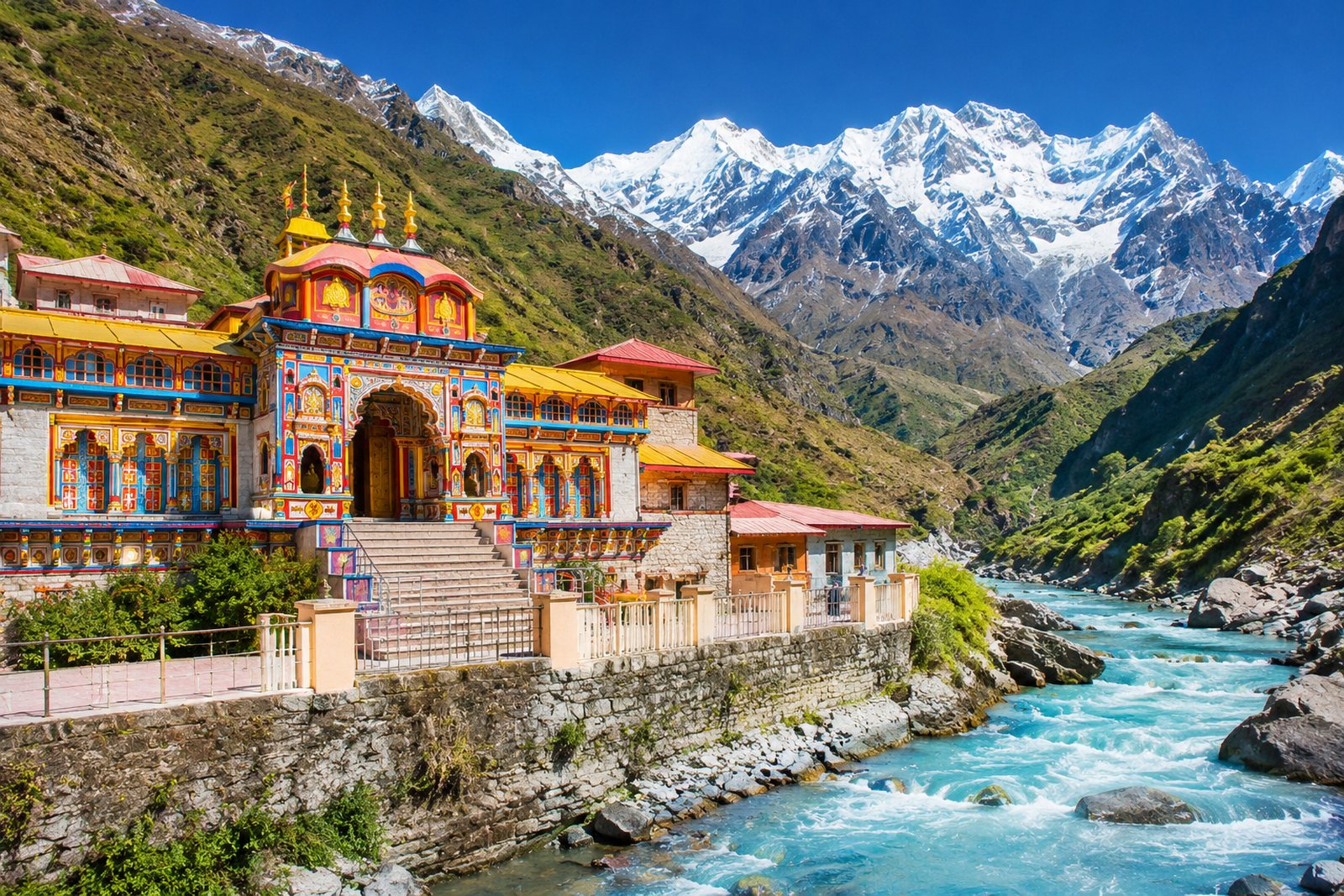
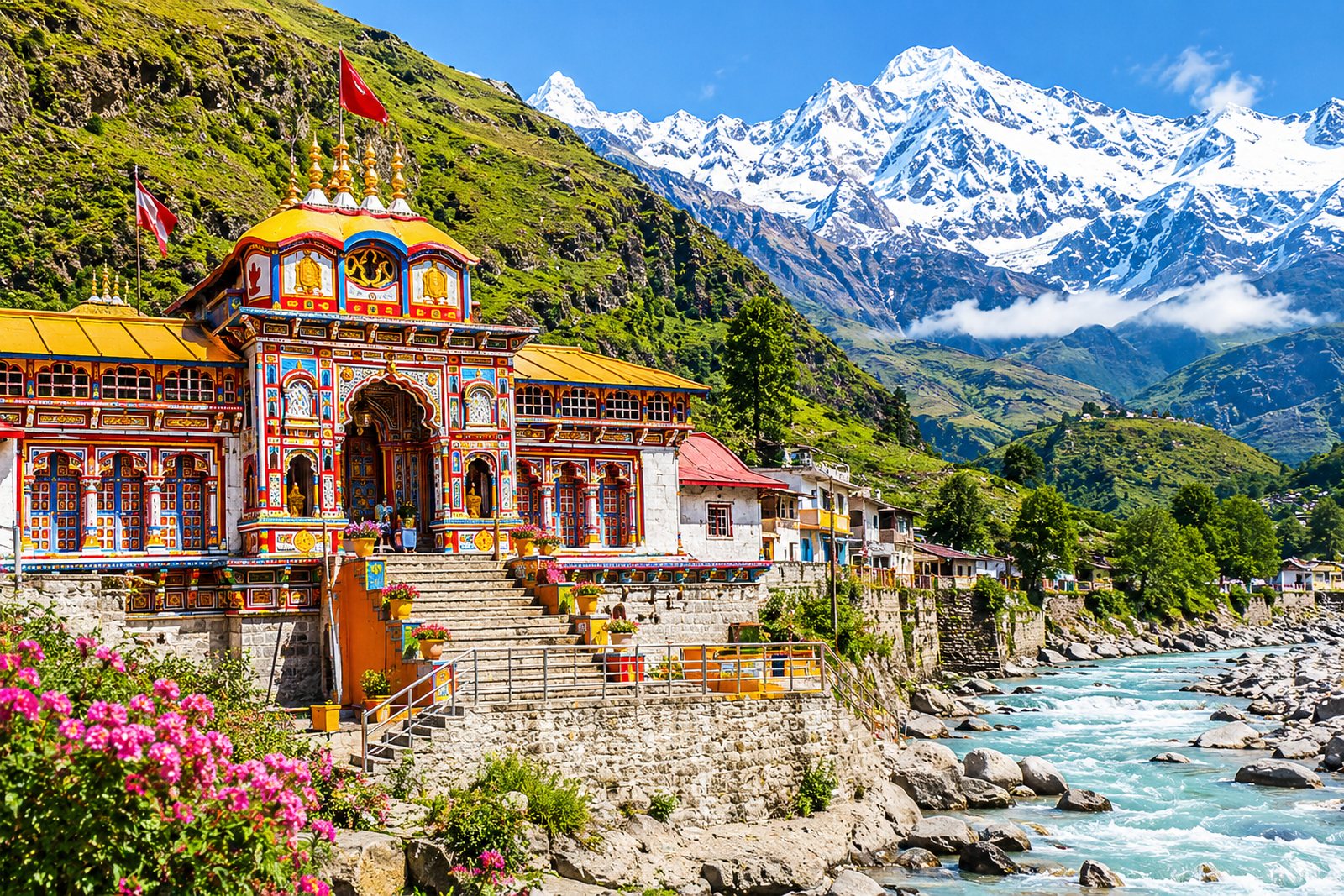
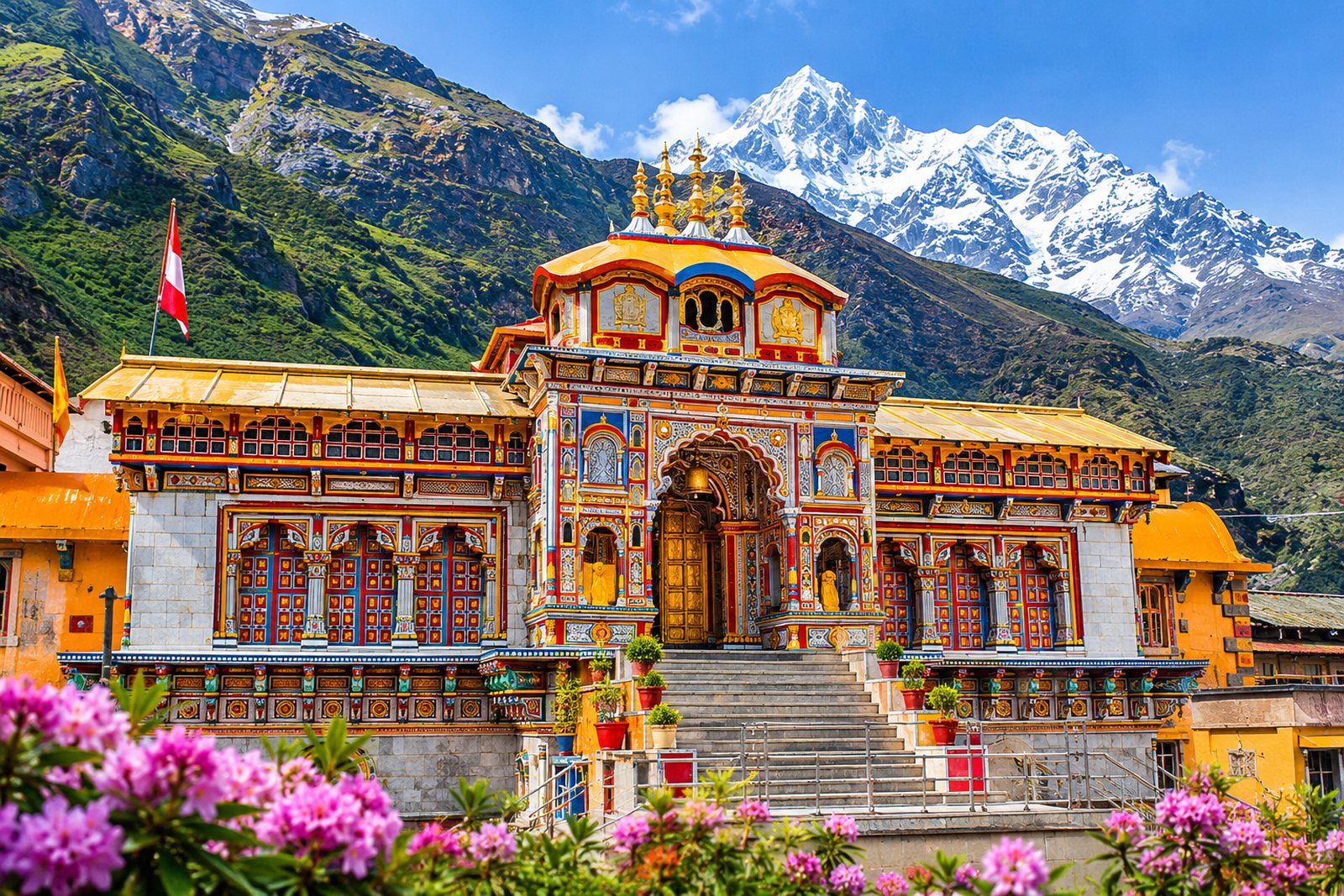
Do Dham means two of these, almost always Kedarnath and Badrinath: Shiva's jyotirlinga in the Mandakini valley, and Vishnu's dham on the Alaknanda.
Did you know? Pilgrims traditionally do the Char Dham from west to east: Yamunotri first, then Gangotri, then Kedarnath, and Badrinath last. The idea follows the sacred rivers in order, from the Yamuna to the Ganga's sources.
Side by side
| Do Dham | Char Dham | |
|---|---|---|
| Dhams | Kedarnath, Badrinath | Yamunotri, Gangotri, Kedarnath, Badrinath |
| Typical days from Haridwar | Around 5-7 | Around 9-12 |
| Treks | Kedarnath | Yamunotri and Kedarnath |
| Road hours | Long, but fewer days on the road | Many long mountain drive days |
| Fitness needed | Moderate, with support options | Higher, two treks and more altitude days |
| Suits | Seniors, first-timers, short leave | Fit families with time |
All durations are rough and depend on weather, roads and the pace of your group.
The treks, honestly
Kedarnath is the big one. The trek from Gaurikund is long, around 16 to 18 km one way depending on the route, steadily uphill, at high altitude. Ponies, palkis and pithus are available, and helicopter services fly from the Guptkashi-Phata-Sersi area, subject to booking, weather and rules that change each season.
Yamunotri has a shorter trek, around 5 to 6 km from Janki Chatti, but it is steep in places, and ponies and palkis are common there too.
Gangotri and Badrinath are reachable by road, with only short walks from the parking areas to the temples.
So Do Dham means one serious trek. Char Dham means two, plus more days at altitude.
Do Dham: who it suits
Do Dham is the practical choice for families with grandparents, people with limited leave, and first-timers who want to see how their body handles the mountains. You get Kedarnath's raw drama and Badrinath's calm, with Mana village near Badrinath as a lovely add-on.
Our Do Dham Yatra package follows exactly this shape: a night in Haridwar, two nights at Guptkashi for the Kedarnath trek and darshan, two nights at Badrinath with Mana village, and a final night in Haridwar, as per the package itinerary.
If the Kedarnath trek is not possible for someone in the family, the Badrinath Dham Yatra is a gentler option: Rishikesh, two nights at Badrinath and back. And for a bigger Uttarakhand trip with Badrinath, Auli and Mussoorie, see Uttarakhand Grand.
Char Dham: who it suits
Char Dham is for families who are reasonably fit, can spare close to two weeks, and want the full yatra in one go. The Yamunotri and Gangotri valleys are beautiful and quieter in feel, and completing all four carries deep meaning for many devotees.
The trade-off is fatigue. Day after day of mountain driving, early starts, altitude and two treks can wear out even fit travellers. Build in rest and buffer days. If you are interested in a full Char Dham plan, ask our travel desk to tailor one rather than squeezing it into a tight schedule.
Rules and reality for both
- Registration is mandatory with the Uttarakhand government, usually online. Check the official portal for documents and health advice.
- Season is short. Temples generally open around late April or May and close around Diwali to November. Dates are announced each year.
- Monsoon is risky. July and August bring landslides and road blocks. May-June and September-October are usually preferred.
- Health check first for seniors and anyone with heart, lung or blood pressure issues.
- Carry warm layers even in May; Kedarnath nights are cold.
Our tip: Plan one buffer day in any Himalayan yatra. A landslide or a cloudy morning that grounds helicopters can push a darshan by a day, and the families with a buffer stay calm while others panic.
The verdict
- With grandparents or limited leave: Do Dham, with support for the Kedarnath trek.
- Fit family with time: Char Dham, at an unhurried pace.
- Someone cannot trek at all: Badrinath alone, or Badrinath with Kedarnath by helicopter if available.
- First Himalayan trip: Do Dham now, the remaining two dhams on a later yatra.
Bhakti, not a checklist
Two dhams or four, the yatra is not a race. The darshan you remember is the one where you were not exhausted, where you had time to sit by the river and listen to the bells. Choose the plan your family can do with a calm heart.
Read our Badrinath Kedarnath Do Dham guide or browse all Badrinath holiday packages.
Frequently asked questions
What is the difference between Do Dham and Char Dham yatra?
Do Dham covers Kedarnath and Badrinath. Char Dham in Uttarakhand covers Yamunotri, Gangotri, Kedarnath and Badrinath. Char Dham takes roughly twice as many days and involves two treks instead of one.
How many days are needed for Do Dham and Char Dham?
Do Dham usually takes around 5 to 7 days from Haridwar or Rishikesh. Char Dham usually takes around 9 to 12 days. Weather, road blocks and the Kedarnath trek can add buffer days.
Is Char Dham yatra difficult for senior citizens?
It is demanding because of long mountain drives, altitude and the Kedarnath and Yamunotri treks. Many seniors manage with ponies, palkis or helicopter services for Kedarnath, but a medical check-up before travel is strongly advised.
Is registration required for Do Dham and Char Dham?
Yes, pilgrims need to register with the Uttarakhand government for the yatra, usually online through the official portal. Check the latest rules, documents and any health requirements before you travel.
When do the Char Dham temples open and close?
The temples generally open around late April or May, around Akshaya Tritiya, and close around Diwali to November for winter. Exact dates are announced each year, so check the official announcements.