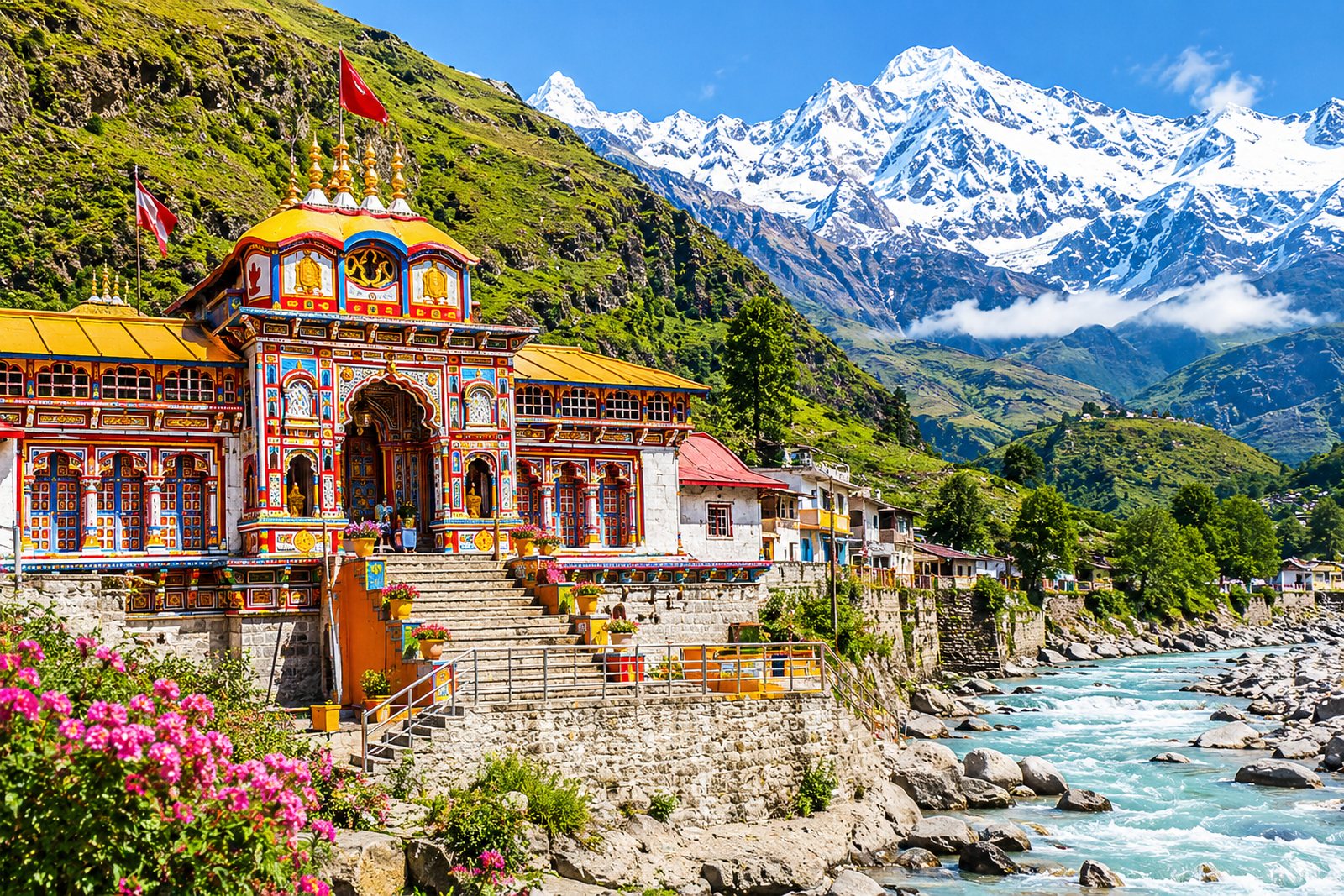
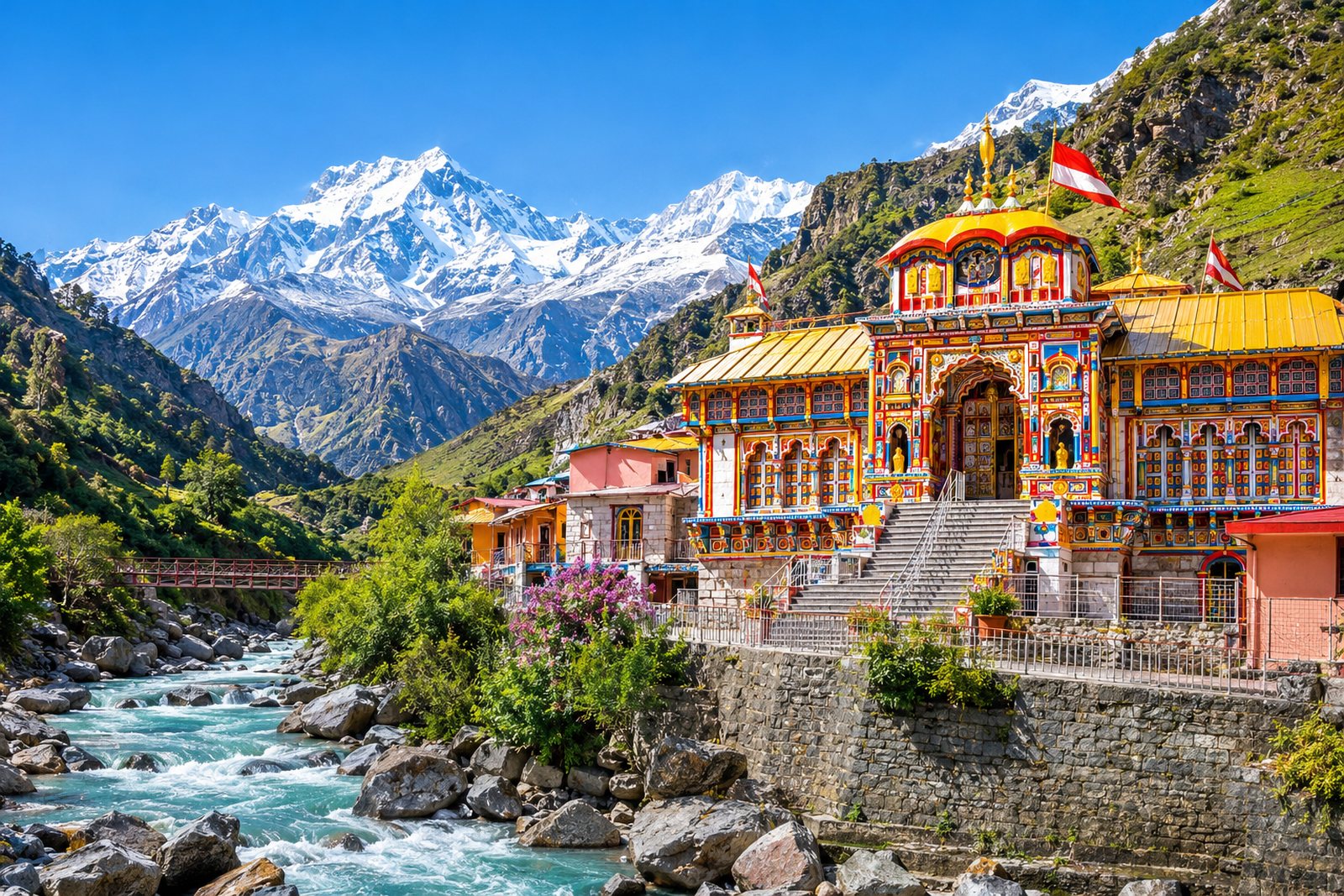
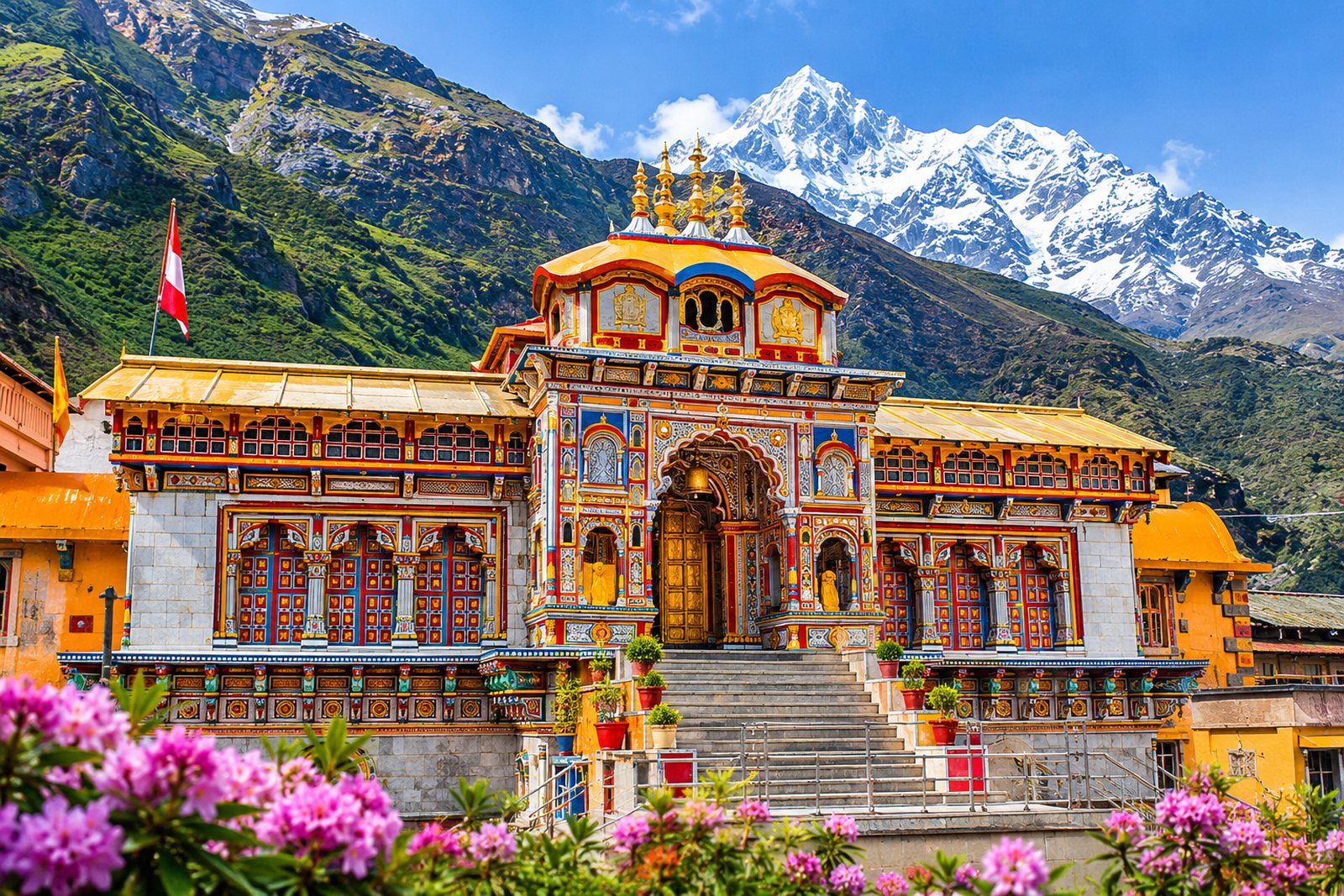
Badrinath Kapat Opening Dates: How They Are Decided Each Year
Why the Badrinath opening date is announced on Basant Panchami at Narendranagar, how the closing date is fixed on Dussehra, and how to plan your yatra around both.
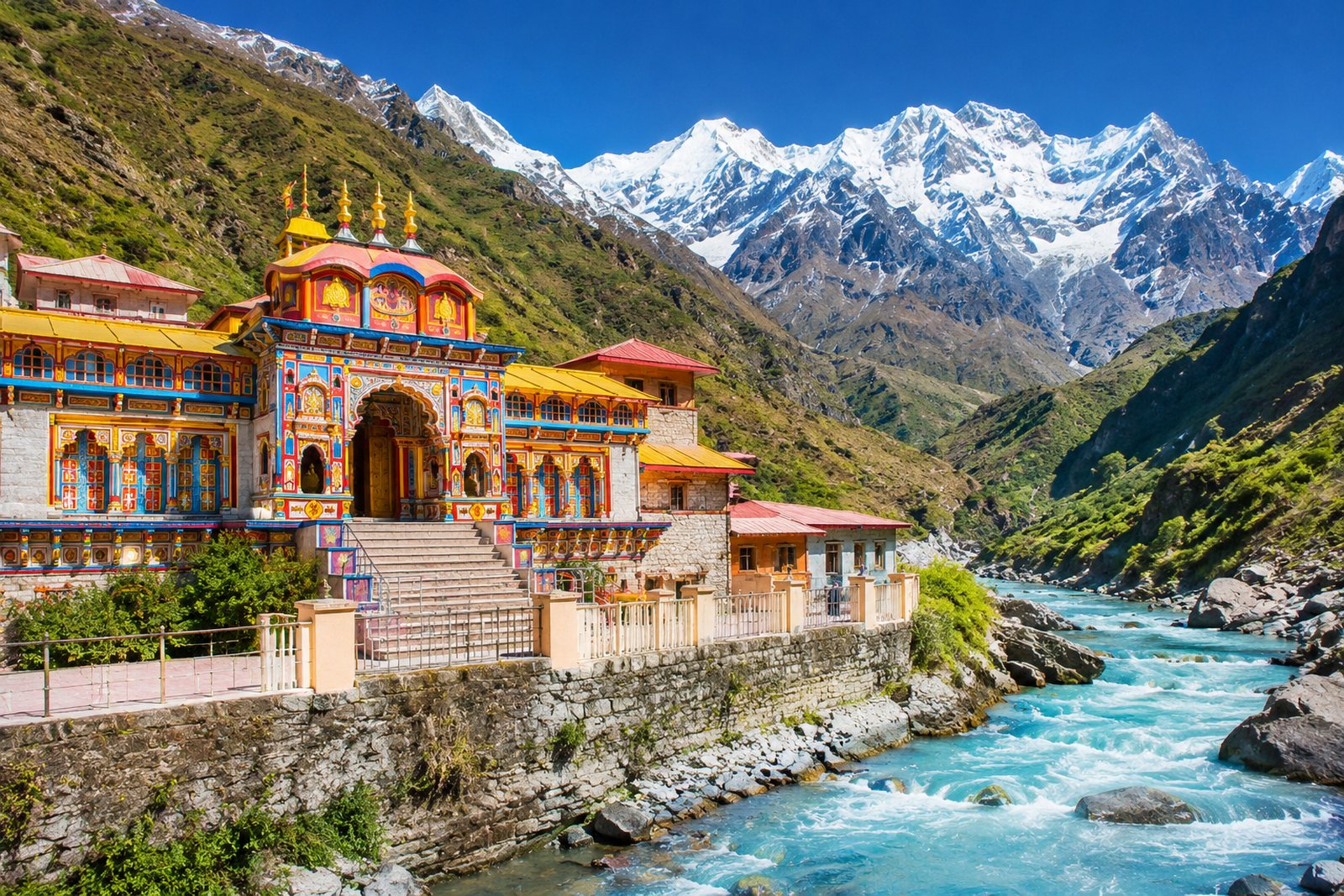
In a palace hall at Narendranagar, a little above Rishikesh, a raj purohit unrolls a panchang, studies a horoscope that is not his own, and does some quiet arithmetic. It is Basant Panchami. Outside, the hills are still cold and Badrinath, far up the Alaknanda valley, is buried in snow. But by the time he finishes, lakhs of families across India will know the one date they have been waiting for: the day the doors of Badrivishal open again.
This is how the Badrinath kapat opening dates are decided, and how the doors close for winter months later. The story behind the dates also tells you how to plan your yatra around them.
Who decides when Badrinath opens?
Not a government office, and not a computer. By long tradition, the opening muhurat is worked out at the old royal seat of the Tehri family in Narendranagar. The raj purohits consult the panchang and, as tradition holds, the horoscope of the Maharaja, and announce the date and auspicious time on Basant Panchami, in January or February.
The date is never the same two years running. It moves with the Hindu calendar. In most years it falls somewhere from late April into May, but that is a pattern, not a promise. Wait for the official announcement before you book anything that cannot be changed.
Kedarnath has its own ceremony. Its opening date is announced on Mahashivratri at the Omkareshwar temple in Ukhimath, the winter home of Kedar Baba. Gangotri and Yamunotri traditionally open around Akshaya Tritiya. So the four dhams do not all open on one day, which matters if you are doing a Do Dham or Char Dham trip.
The pot of oil from Narendranagar
Once the date is fixed, something lovely happens. Married women of the area gather, traditionally at the palace, to press sesame oil by hand for the deity's abhishek. The oil is filled into a sacred pot, the gadu ghada, and carried up towards Badrinath in a procession that halts at temples and villages along the way. Devotees line the road with flowers and dhol.
When the gadu ghada reaches the dham, the countdown is almost over.
Did you know? The chief priest of Badrinath, called the Rawal, has by long tradition come from a Namboodiri Brahmin family of Kerala, a link usually traced back to Adi Shankaracharya, who is credited with reviving worship here. A temple in the Himalayas, served by a priest from the far south.
Opening day: what it actually feels like
The night before, the town hardly sleeps. Pilgrims who have queued since evening wrap shawls over their heads against a wind straight off the snow peaks. Bhajans drift out of dharamshalas. In the early morning, to chanting, conch shells and band music, the kapat swing open.
Devotees believe the akhand jyoti, the lamp lit on closing day six months earlier, is found still burning when the doors open. That first darshan of the akhand jyoti is what many people make the trip for. Expect very long queues, crowded roads from Joshimath upwards, and rooms full for the first few days.
How the closing date is fixed
The closing date is announced on Vijayadashami, Dussehra, again after consulting the panchang. In most years Badrinath closes in November, a little later than Kedarnath, which usually closes around Bhai Dooj after Diwali. Again, those are patterns. Check the year's announcement.
Closing is not one quick ceremony. Over several days before it, special pujas are performed and smaller shrines in the complex are closed one by one. On the final day, by tradition, the idol of Goddess Lakshmi is invited into the sanctum to sit beside Badri Narayan for the winter, and a woollen blanket smeared with ghee is offered to the deity. Then the doors close, to cries of "Jai Badri Vishal".
Where does Badrinath go in winter?
Devotees believe worship continues inside through the snow months. But the utsav idols travel down. Uddhav ji and Kuber ji are taken to Pandukeshwar, and the gaddi of Adi Shankaracharya goes to the Narsingh temple at Joshimath. Winter pilgrims can have darshan at these seats. It is a quieter, very local yatra, and few outsiders know about it.
Packages built around the season
The Badrinath Dham Yatra is four nights: Rishikesh, two nights at Badrinath with the temple and Mana village, and back to Rishikesh, as per the package itinerary. Two nights up there gives you a calm second darshan after the rush of arrival day.
Doing Kedarnath too? The Do Dham Yatra runs six nights from Haridwar, with a Guptkashi base for the Kedarnath trek and two nights at Badrinath. For a slower holiday with darshan as one part of it, the Uttarakhand Grand adds Auli and Mussoorie to Rishikesh and one night at Badrinath, over eight nights.
Planning your dates around the kapat
- Wait for Basant Panchami. Keep bookings flexible until the opening date is announced.
- Skip the first few days if you can. Crowds and room shortages peak right after opening.
- May and June: pleasant days, cold nights, school-holiday crowds.
- July and August: monsoon brings landslide risk on the highway; build buffer days and follow official advisories.
- September and October: clearer skies, fewer people, colder nights. Many families find this the sweet spot.
- Registration: the Uttarakhand government requires yatra registration for the dhams. Check the official portal for the current process.
- Darshan timings and rules are set by the temple committee and can change. Check locally or on the official site.
Our tip: If nani or dadaji is travelling, keep one extra night at Badrinath itself. Altitude, cold and queue time are far easier on older bodies when nobody is rushing to leave the same afternoon.
Why the wait matters
There is something very Indian about a god who keeps a calendar. You cannot just show up. You wait for a priest in a palace to read the stars, for women to press oil, for a pot to travel up a valley. And then, for six months, the doors are open and half the country seems to walk up the Alaknanda at once.
Plan the full yatra with our Badrinath Kedarnath Do Dham plan, or browse all Badrinath holiday packages.
Frequently asked questions
When are the Badrinath kapat opening dates announced?
The opening date and muhurat are announced on Basant Panchami, usually in January or February, at Narendranagar after the raj purohits consult the panchang.
When does Badrinath temple usually open?
In most years it opens somewhere between late April and May, but the exact date changes every year with the Hindu calendar. Wait for the official announcement.
When does Badrinath close for winter?
The closing date is announced on Vijayadashami and the temple usually closes in November, generally a little after Kedarnath.
Where is Badrinath worshipped in winter?
The utsav idols of Uddhav and Kuber go to Pandukeshwar and the gaddi of Adi Shankaracharya goes to the Narsingh temple in Joshimath, where winter darshan is possible.
Is registration needed for Badrinath yatra?
Yes, the Uttarakhand government requires yatra registration for the Char Dham shrines. Check the official portal for the current process before you travel.