Umananda Legend: Where Shiva Burnt Kamadeva With His Third Eye
Legend says Kamadeva disturbed Shiva on a tiny Brahmaputra island and was burnt to ashes. The Umananda story, its Ahom-era temple and ferry tips.
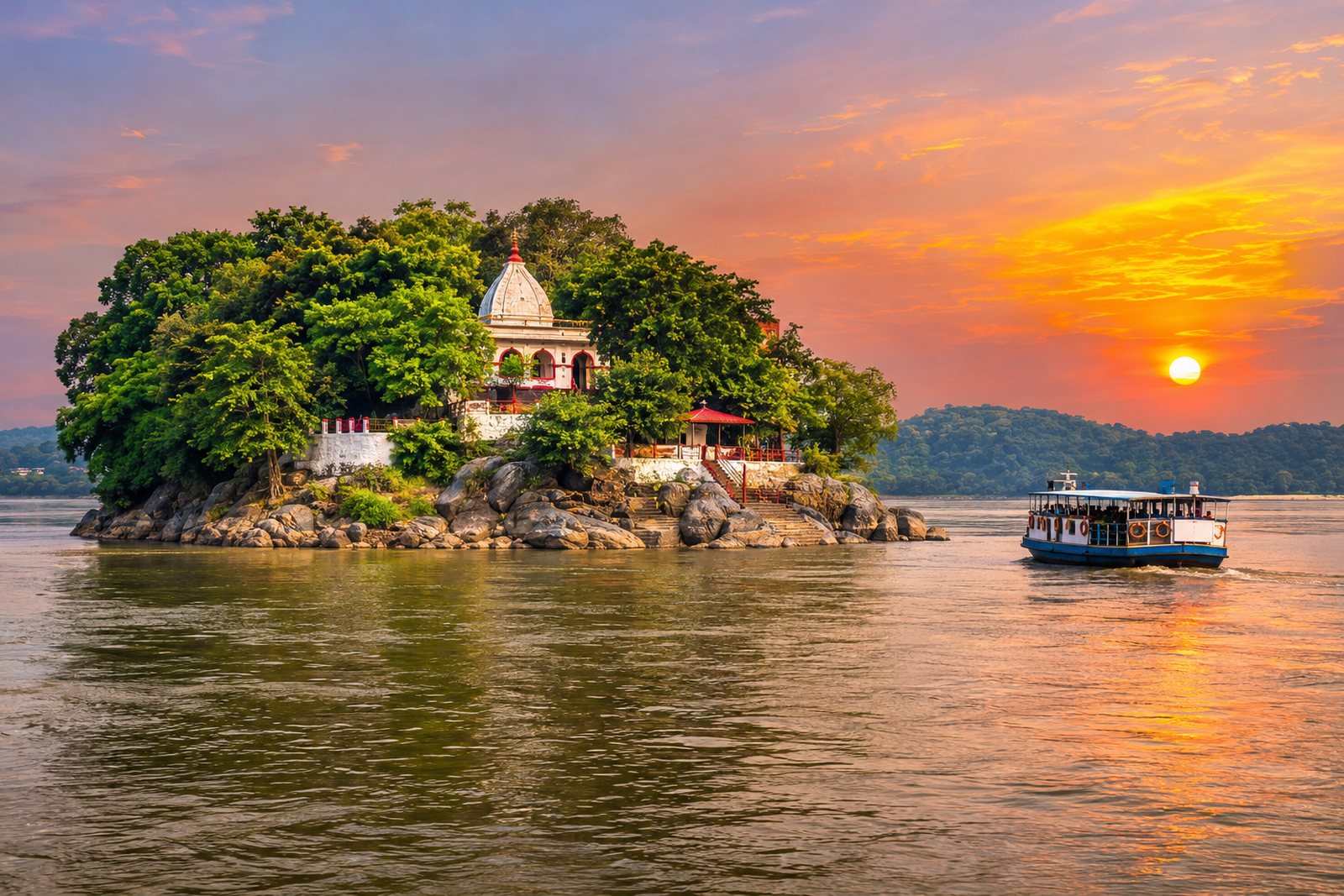
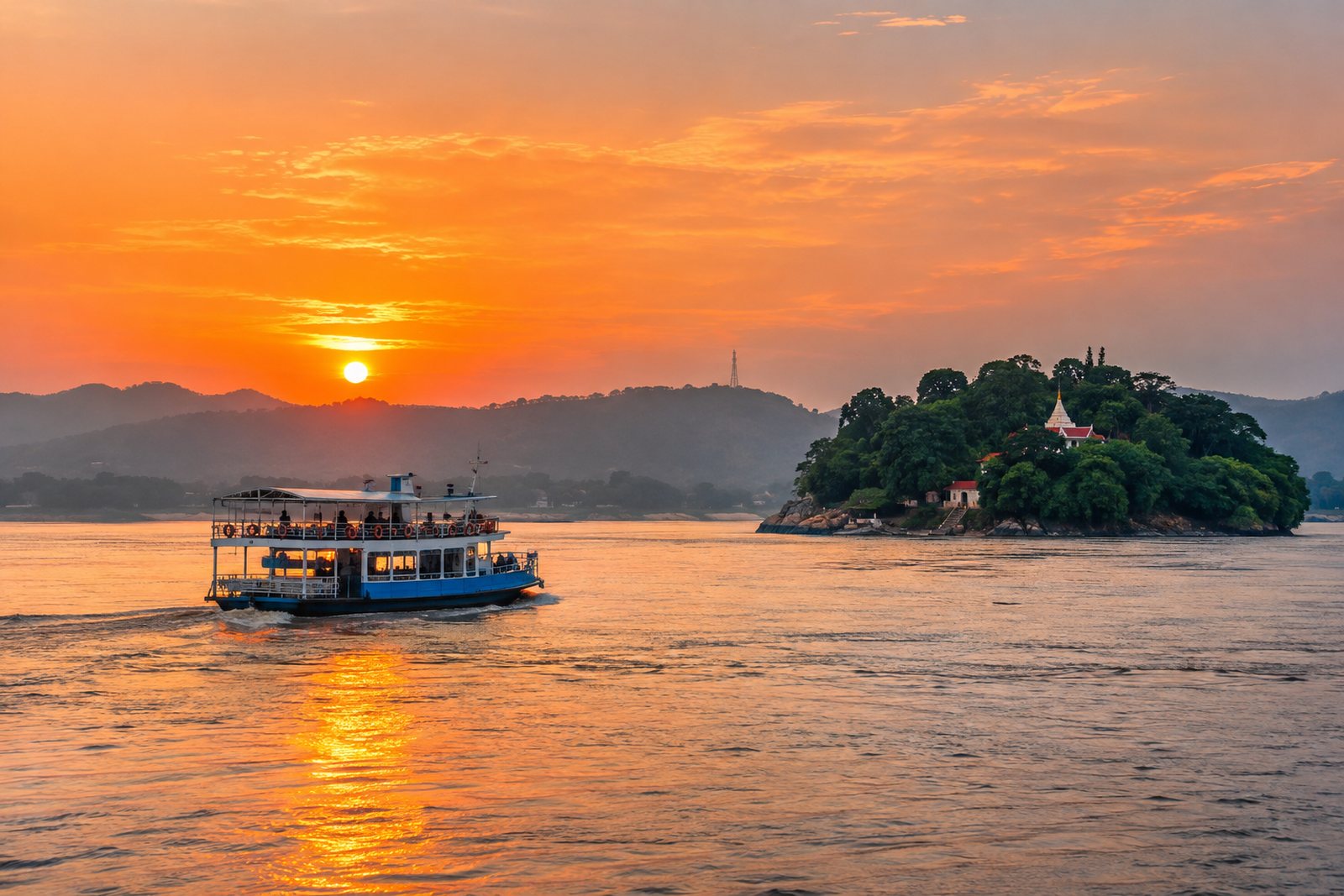
From the ferry, the Brahmaputra does not look like a river. It looks like a brown, moving sea, so wide that the far bank is a pencil line. The diesel engine thuds, a little boy leans too far over the side and gets pulled back by his collar, and ahead of you a rocky green hump rises out of the water, too small to be land, too big to be a rock.
That hump is Umananda, a tiny island in the middle of the river at Guwahati. Local tradition says that on this hill, Kamadeva, the god of love, made the worst mistake of his life. This is the Umananda Kamadeva legend, what history says about the temple on the island, and how to plan the crossing.
The legend: one arrow, one glance
The story begins in grief. After Sati gave up her life, Shiva withdrew from the world into deep meditation. He sat still, eyes closed, far beyond the reach of gods or men.
That was a problem for the gods. A demon called Tarakasura was terrorising the three worlds, and he had been granted a boon that only a son of Shiva could defeat him. But a Shiva lost in meditation was not going to marry anyone. Parvati, Sati reborn, was waiting and praying for him. Someone had to wake desire in his heart.
The gods turned to Kamadeva, the handsome god of love, with his sugarcane bow and his arrows of flowers. It was a dangerous job, and Kama knew it. He went anyway, with his wife Rati beside him.
Assamese tradition places this moment on this very hill. Kama hid, waited, drew his bow and loosed a flower arrow at the meditating god.
Shiva felt it. And he was furious. He opened his third eye, and a blaze of fire shot out and burnt Kamadeva to ashes on the spot.
That is why, people will tell you, the hill is also called Bhasmachal, the hill of ashes.
Rati's plea, and a name for Assam
The story does not end in ashes. Rati wept and pleaded with Shiva, and Shiva, his anger cooled, promised that Kama would live again. In many tellings Kama later regained his form in this region, and a popular traditional explanation of the old name Kamarupa, the ancient name for this land, is exactly that: the place where Kama got back his rupa, his body.
The island's own name has a softer meaning. Umananda is often explained as the joy, ananda, of Uma, another name of Parvati. Legend says Shiva shaped this spot for her pleasure. A place of fury, then, that became a place of joy.
Did you know? A day-trip drive outside Guwahati lie the ruins of Madan Kamdev, a group of old carved stone temples linked by local tradition to Kamadeva, whose other name is Madana. Two ends of the same legend, a short drive apart.
What history says about Umananda temple
The temple itself has a clear chapter in the history books. According to the commonly cited account, it was built in the late 17th century during the reign of the Ahom king Gadadhar Singha, whose dynasty ruled much of Assam for around six centuries. The Ahoms were great builders of temples, tanks and roads, and Guwahati was an important frontier city for them.
The island has had a hard time since. A great earthquake struck Assam in the late 19th century and badly damaged the temple, and it was later restored. Look closely at the rocks near the shrine and you will see carvings of Hindu deities cut into the stone, worn by centuries of rain and river.
The British are said to have called it Peacock Island. Locals mostly ignore that and just say Umananda.
How to visit Umananda Island today
- Getting there: ferries and small boats run from the riverfront ghats near the city centre. Check the return timing before you go, since the last boats back can leave early.
- River levels: in the monsoon the Brahmaputra swells and services can be suspended. Winter is the most reliable season.
- The climb: there are steep steps from the landing up to the temple. Elders should take them slowly; wear footwear that is easy to slip off near the shrine.
- Langurs: the island has long been known for its langurs. Sightings are a matter of luck, so do not feed or chase any animals.
- Festivals: Mahashivratri brings big crowds and a long wait for the boats.
- Best season: October to April.
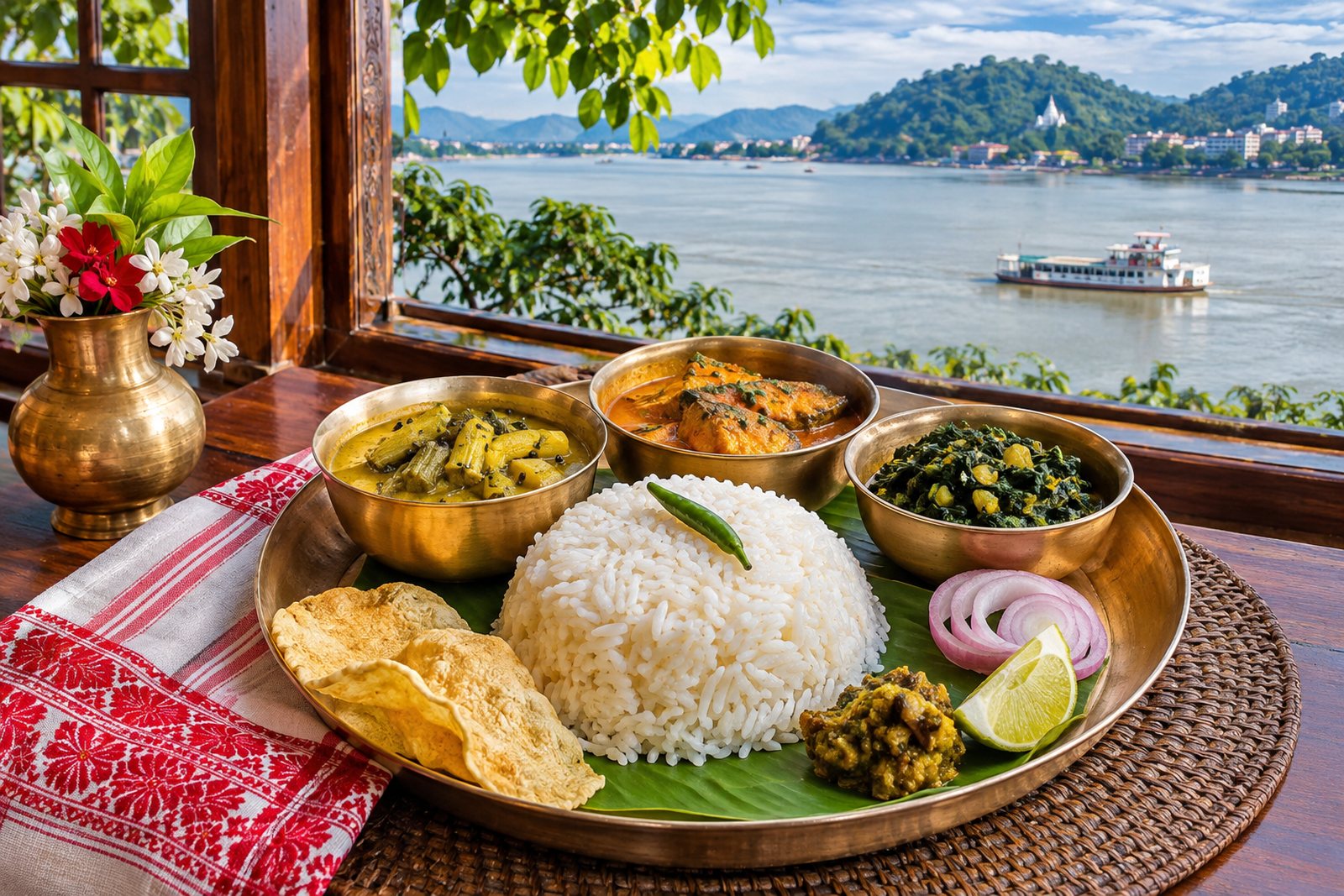
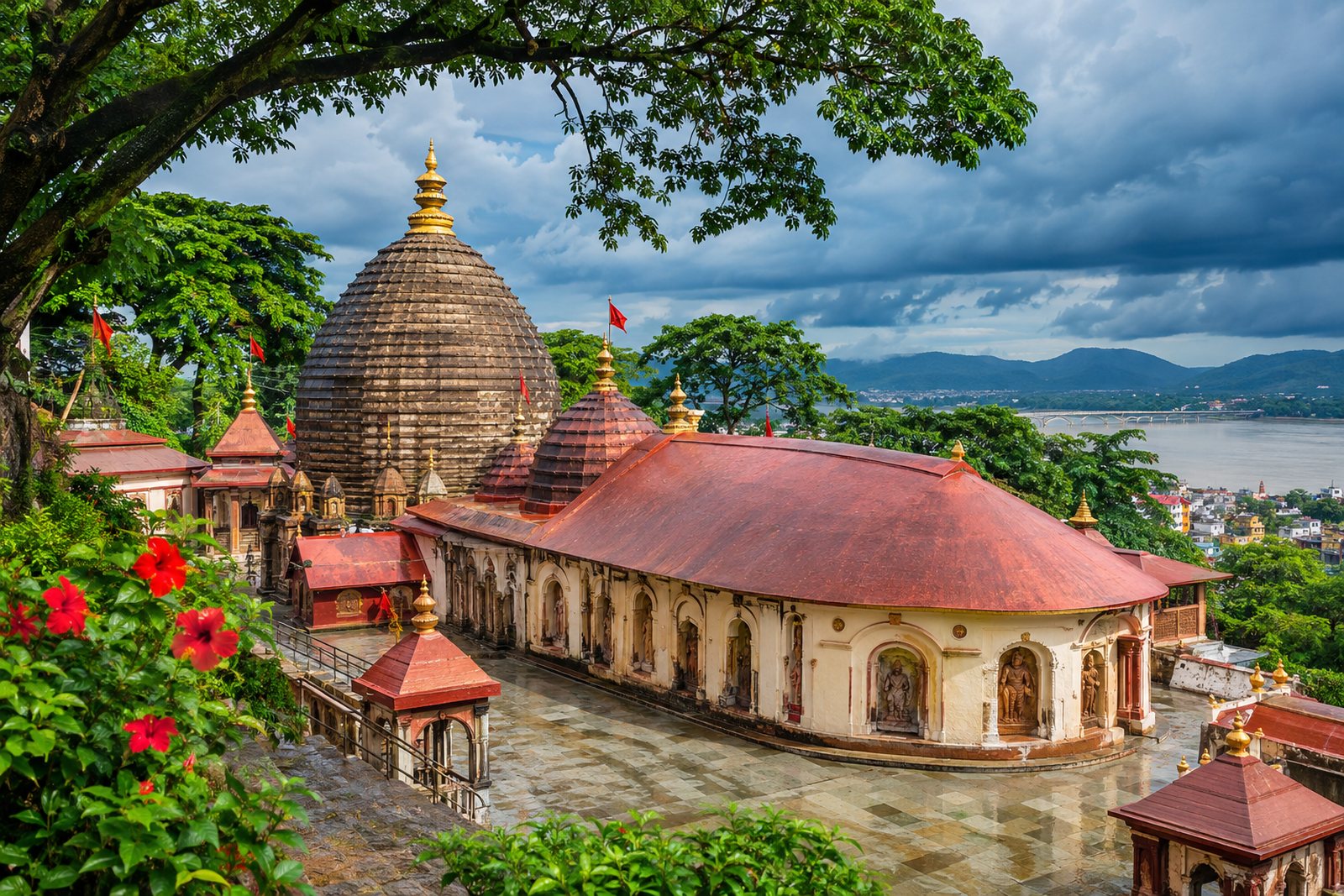
- Combine with: Kamakhya temple on Nilachal hill, a Brahmaputra sunset cruise, and Assamese food in the city.
Our tip: Do Kamakhya in the morning and Umananda in the afternoon. You get Devi's darshan first, and then Shiva's island with the softer evening light on the river.
BellaSafar's Guwahati & Shillong gives you two nights, with Kamakhya, Umananda Island and a Brahmaputra cruise on one day and a Shillong excursion on the next, as per the package itinerary. Guwahati Explorer adds a third day for Hajo, the Sualkuchi silk village and Madan Kamdev, the other half of the Kamadeva story.
Love burnt, love returned
It is a strange story for a temple to tell. Love gets burnt to ashes here. And yet couples come to Umananda holding hands, and the whole region carries a name that, in the old telling, means love got its body back. The river keeps flowing around the island either way, wide and brown and patient, as if it has seen this story end well many times.
Read our Ambubachi Mela legend and the Guwahati Shillong trip plan, or browse all Guwahati holiday packages.
Frequently asked questions
What is the Umananda Kamadeva legend?
Legend says Kamadeva shot a flower arrow at the meditating Shiva on this hill to awaken his love for Parvati. Shiva opened his third eye and burnt Kama to ashes, which is why the hill is called Bhasmachal.
How do I reach Umananda temple in Guwahati?
Ferries and small boats run from the riverfront ghats near Guwahati's city centre. Check return timings before you cross.
Who built Umananda temple?
According to the commonly cited account, it was built in the late 17th century under the Ahom king Gadadhar Singha, and restored after a major earthquake in the late 19th century.
Is Umananda open during the monsoon?
Boat services can be suspended when the Brahmaputra is in flood. October to April is the most reliable time to visit.
What does Umananda mean?
It is usually explained as the joy (ananda) of Uma, another name of Parvati. Legend says Shiva made the spot for her pleasure.