Sonamarg Tunnel: How Z-Morh Made the Meadow Reachable in Winter
For decades, snow and avalanches shut Sonamarg off every winter. The Z-Morh tunnel changed that. Here is the story, and how to plan a Sonamarg trip now.
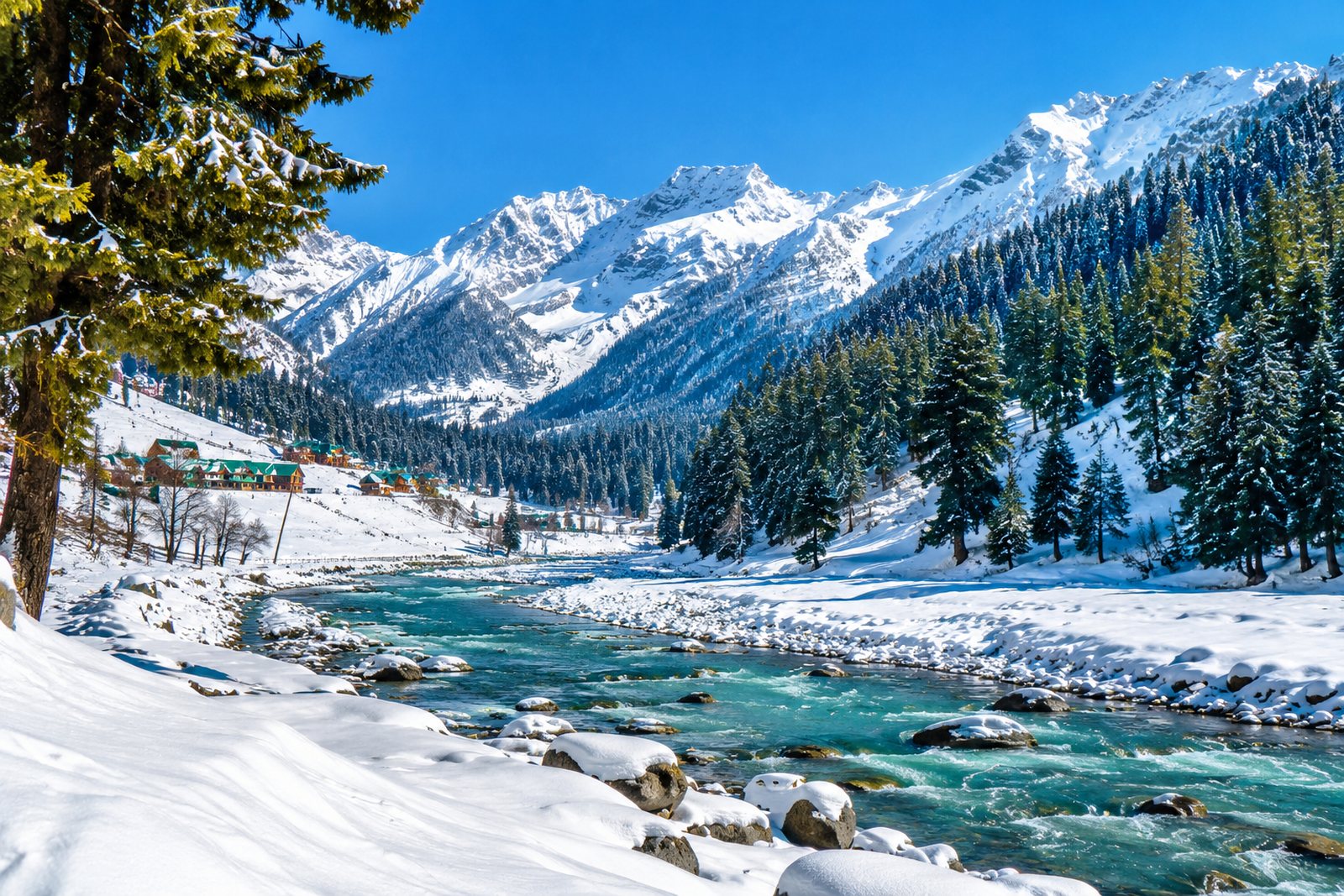
The car slows at Gagangir, the headlights come on, and for a few minutes there is only the hum of the ventilation fans and a row of lights ticking past overhead. Then the road tips out into daylight, and the valley in front of you is so white you reach for your sunglasses. A few years ago, on a January morning like this, you would not have reached here at all.
This is the story of the Z-Morh tunnel, the road tunnel that made Sonamarg reachable in winter, and what it means for your Kashmir trip.
Why did Sonamarg disappear every winter?
Sonamarg sits high up the Sindh valley, on the road that climbs from Srinagar towards the Zojila pass and Ladakh. In summer it is a meadow with ponies, tea stalls and the Thajiwas glacier glinting above it. In winter it was a different place.
Between Gagangir and Sonamarg, the old road ran along steep slopes where avalanches came down year after year. Snow piled up, the road was buried, and the authorities closed it. For months, Sonamarg emptied. Hotel staff locked up and went down to Srinagar. Pony owners took their animals to lower villages. The few people who stayed lived in a valley the rest of Kashmir could not drive to.
Ask anyone who ran a dhaba here in the old days and you will hear the same thing. Six good months, six silent ones.
Where does the name Z-Morh come from?
"Morh" means a bend or turn. The name comes from the old road itself, which zigzagged up this stretch in a shape that looked like the letter Z. Drivers knew it well and feared it in snow.
The tunnel cuts under the mountain instead. It is roughly six and a half kilometres long, with a parallel escape tube for safety, and it takes the traffic off the slopes where the snow used to win.
January 2025: the valley stays connected
The tunnel was inaugurated in January 2025, after years of work that went on through tough winters and long pauses. For the people of Sonamarg the change was simple and huge. The road could now reach them on many more winter days.
That means winter tourism is no longer a dream. Families who used to stop at Gulmarg for snow can now think about a white Sonamarg too. Children can sledge on the meadow in January. Shops that used to shut in November can stay open a little longer.
Some honesty, though. A tunnel does not stop snowfall. Very heavy snow, or work on the approach roads, can still close the highway for a day or more. Winter Kashmir always asks for a little patience.
Did you know? Z-Morh is only one piece of a bigger plan. Further up the same highway, a much longer tunnel under the Zojila pass is being built to connect Sonamarg towards Drass and Ladakh through the year. Once that is done, the road to Ladakh could stop being a summer-only route.
What to see in Sonamarg once you are through
The name means "meadow of gold", and in late spring, with the sun on the grass, you will understand why.
- Thajiwas glacier: the classic Sonamarg outing, reached by pony or on foot from the meadow. In early summer you often walk on old snow.
- The Sindh river: fast, cold and loud, running beside the road for much of the drive. Plenty of spots to stop for photos and a cup of kahwa.
- Baltal: further up the valley, best known as one of the base camps for the Amarnath Yatra in season.
- Winter snow play: in the colder months the meadow becomes a snowfield, with sledges and simple snow activities run by locals.
- Treks: Sonamarg is the starting point for some well-known high-altitude treks, which need proper planning and are a separate trip of their own.
The easiest way to fit Sonamarg in is our Srinagar & Sonamarg trip: three nights, with Srinagar as the base and a day up the Sindh valley to Sonamarg, as per the package itinerary. You can add nights if you want more time in the snow.
How to plan a Sonamarg trip today
- Distance: roughly 80 km from Srinagar, usually around two and a half to three hours, longer in snow or on peak weekends.
- Best time: April to June for green meadows and the glacier, December to February for snow. Monsoon months can bring landslides on the approach roads.
- Road status: check the official Jammu and Kashmir traffic advisory the evening before, especially in winter. Your driver will usually know too.
- Ponies and sledges: fix the rate and the route clearly before you start, and agree on whether it is one way or return.
- Clothes: even in May the glacier is cold. Carry layers, gloves and proper shoes, not sandals.
- Health: Sonamarg is high. Go slow if you have elderly parents or anyone with breathing issues.
Our tip: Leave Srinagar early. The light in the valley is best in the morning, the meadow is quieter, and you are back before the evening chill and the traffic.
A road that finally stays open
There is something quietly moving about a valley that used to vanish every winter now staying on the map. The meadow is the same. The glacier is the same. What changed is that a family from Delhi or Pune can now see it in snow without waiting for summer.
Planning Kashmir? Read our Kashmir tour plan and the story of Gulmarg history, or browse all Sonamarg holiday packages.
Frequently asked questions
What is the Z-Morh tunnel?
Z-Morh is a road tunnel on the Srinagar-Leh highway in Ganderbal district that links Gagangir and Sonamarg, bypassing an avalanche-prone stretch of road.
When did the Sonamarg tunnel open?
The Z-Morh tunnel, also called the Sonamarg tunnel, was inaugurated in January 2025.
Is Sonamarg open in winter now?
The tunnel lets the road reach Sonamarg on far more winter days than before, but heavy snowfall can still close roads. Check the official traffic advisory before you travel.
Is Z-Morh the same as the Zojila tunnel?
No. Z-Morh ends at Sonamarg. The much longer Zojila tunnel, further up towards Ladakh, is a separate project that was still under construction at the time of writing.
How far is Sonamarg from Srinagar?
Sonamarg is roughly 80 km from Srinagar, usually around two and a half to three hours by road depending on traffic and weather.