Kalaram Temple Satyagraha: Ambedkar's 1930 Fight for Entry
In 1930 thousands gathered at a black-stone Ram temple in Nashik asking for one thing: the right to walk in. The Kalaram Temple Satyagraha story.
The morning of 2 March 1930. Panchavati, Nashik. The lanes leading to a black-stone Ram temple are full of people, thousands of them, many walking in from villages across the region. They are not shouting. Many carry flags. They have come with a request so simple it is almost painful to read today: let us go inside and see our Ram.
The gates stay shut.
This is the Kalaram Temple Satyagraha, one of the defining moments of Dr B. R. Ambedkar's struggle against untouchability. Here is what happened, why it mattered, and how to visit this temple and the rest of Panchavati today.
The temple of the black Ram
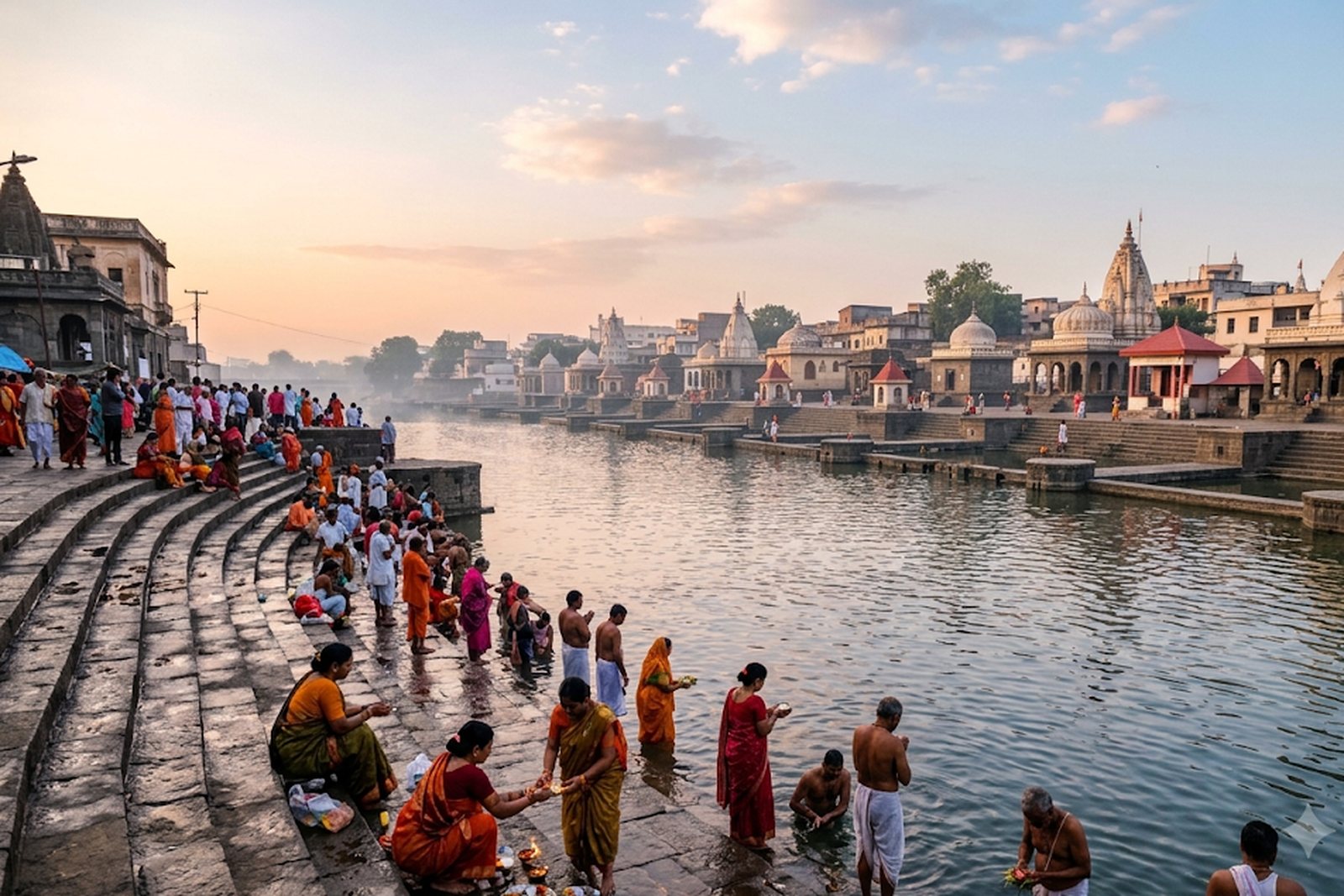
Kalaram temple stands in Panchavati, the part of Nashik that, according to the Ramayan tradition, is where Ram, Sita and Lakshman lived for a time during their exile. The Godavari flows close by, and the whole area is full of places tied to that story.
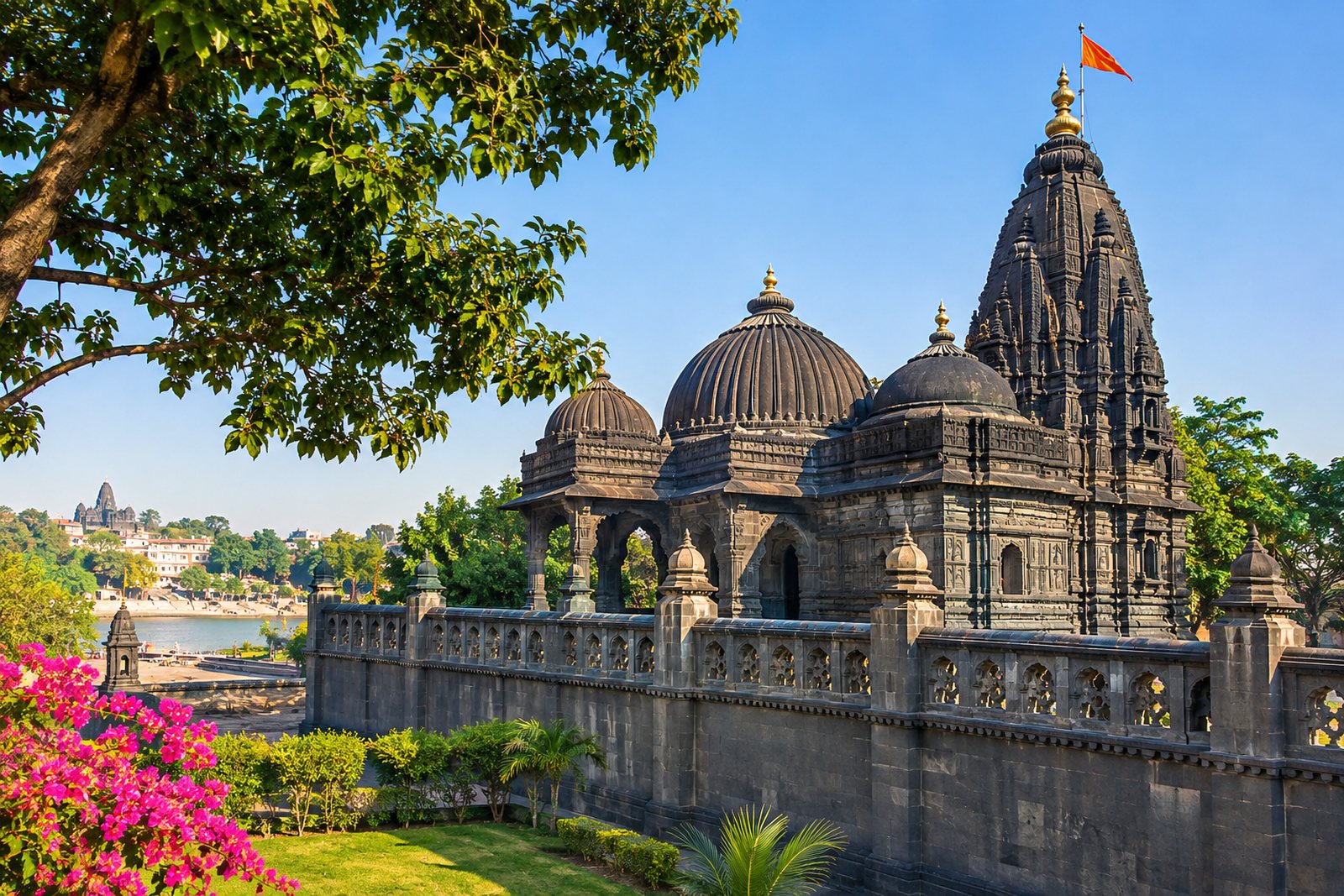
The temple itself is from the late 18th century, built by a sardar of the Peshwa period in dark stone. Inside, the idols of Ram, Sita and Lakshman are black, which is why devotees call it Kalaram, the black Ram. It is solid and calm, with a tall shikhar and a big enclosed courtyard.
For a very long time, like many temples in India then, it was closed to people from castes considered "untouchable".
Why Nashik, why 1930?
By 1930 Dr Ambedkar had already led the Mahad Satyagraha of 1927, where people asserted their right to draw water from a public tank. Temple entry was the next question.
His aim was not only about one temple. It was about whether people would be treated as equals in public and religious life. In his speeches, he made it clear that entering a temple was a question of human dignity and equal rights.
Nashik, with a famous Ram temple at the heart of a pilgrimage town, was a powerful place to ask that question. Local leaders, Dadasaheb Gaikwad prominent among them, worked to organise volunteers. Men and women came forward in large numbers.
What happened at the gates
The satyagraha was peaceful in method. Groups of satyagrahis sat at the gates day after day. The temple authorities kept the gates closed, and the police kept watch.
Tension built over the following weeks. Around the Ram Navami festival, when the temple's chariot procession takes place, the situation grew heated. Accounts from the time describe stones being thrown and people being hurt. Historians describe the atmosphere as very tense, and the episode deeply affected those involved.
The movement went on in phases for several years. The gates did not open to the satyagrahis.
Did you know? Dr Ambedkar's well-known declaration at Yeola, also in Nashik district, came in 1935, after years of temple-entry and other struggles. Many historians see the Kalaram experience as part of the road that led him to that turning point.
What it changed
If the gates did not open, was it a failure? Most historians would say no.
The Kalaram Satyagraha made a question public that many had preferred to keep quiet. It brought thousands of people together with a clear, dignified demand. It became part of a wider debate in which leaders and reformers of many backgrounds took different positions on how untouchability should end.
The answer the nation finally gave was in law. Article 17 of the Constitution of India abolished untouchability, and later laws made discrimination in temple entry a punishable offence. Today Kalaram temple is open to all, and you will see devotees of every background walking through the same gate.
Around Panchavati
- Ramkund on the Godavari, the main ghat for holy dips and rituals.
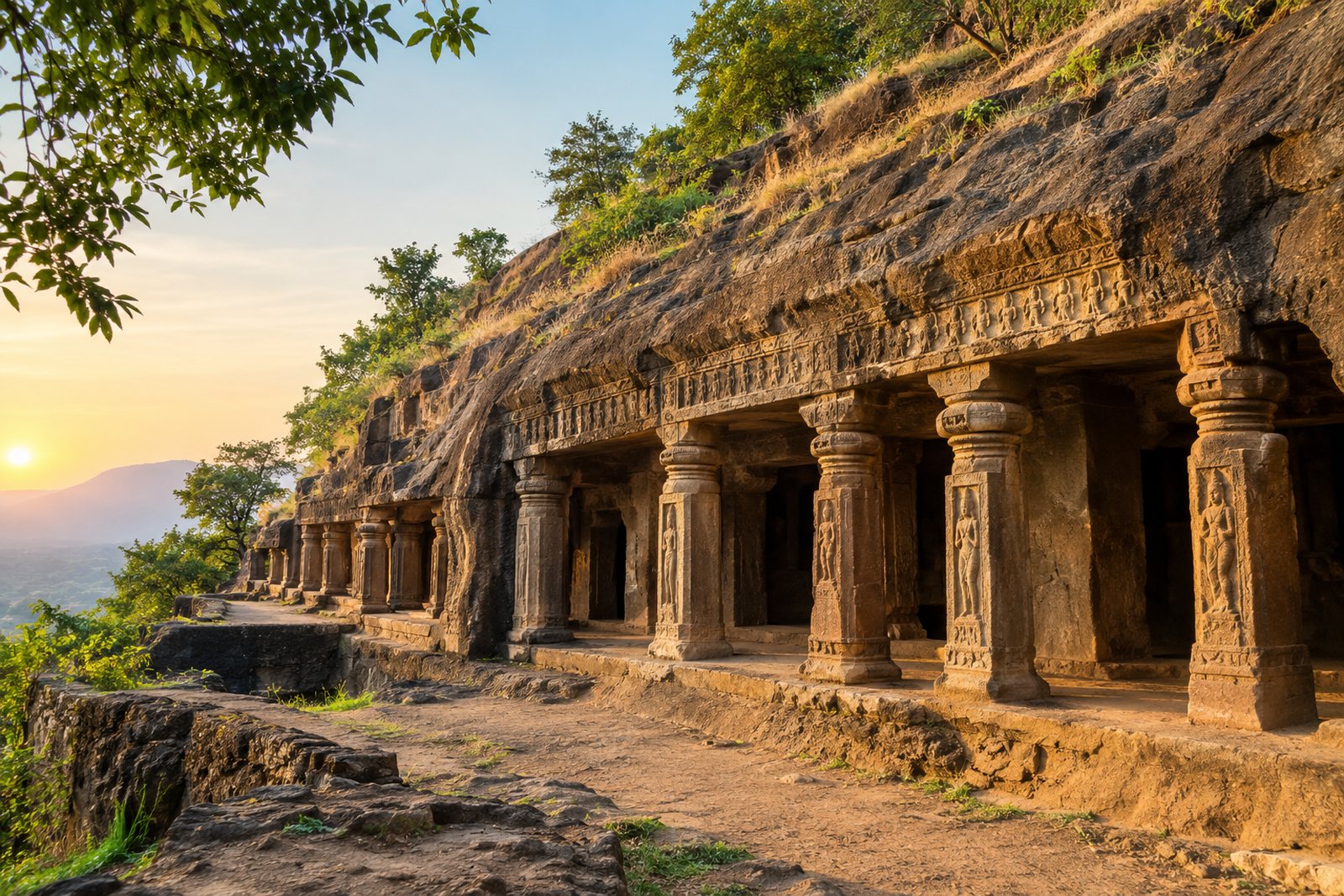
- Sita Gufa, the small cave linked in tradition to Sita's stay.
- Kapaleshwar Mahadev temple, opposite Ramkund on the hill.
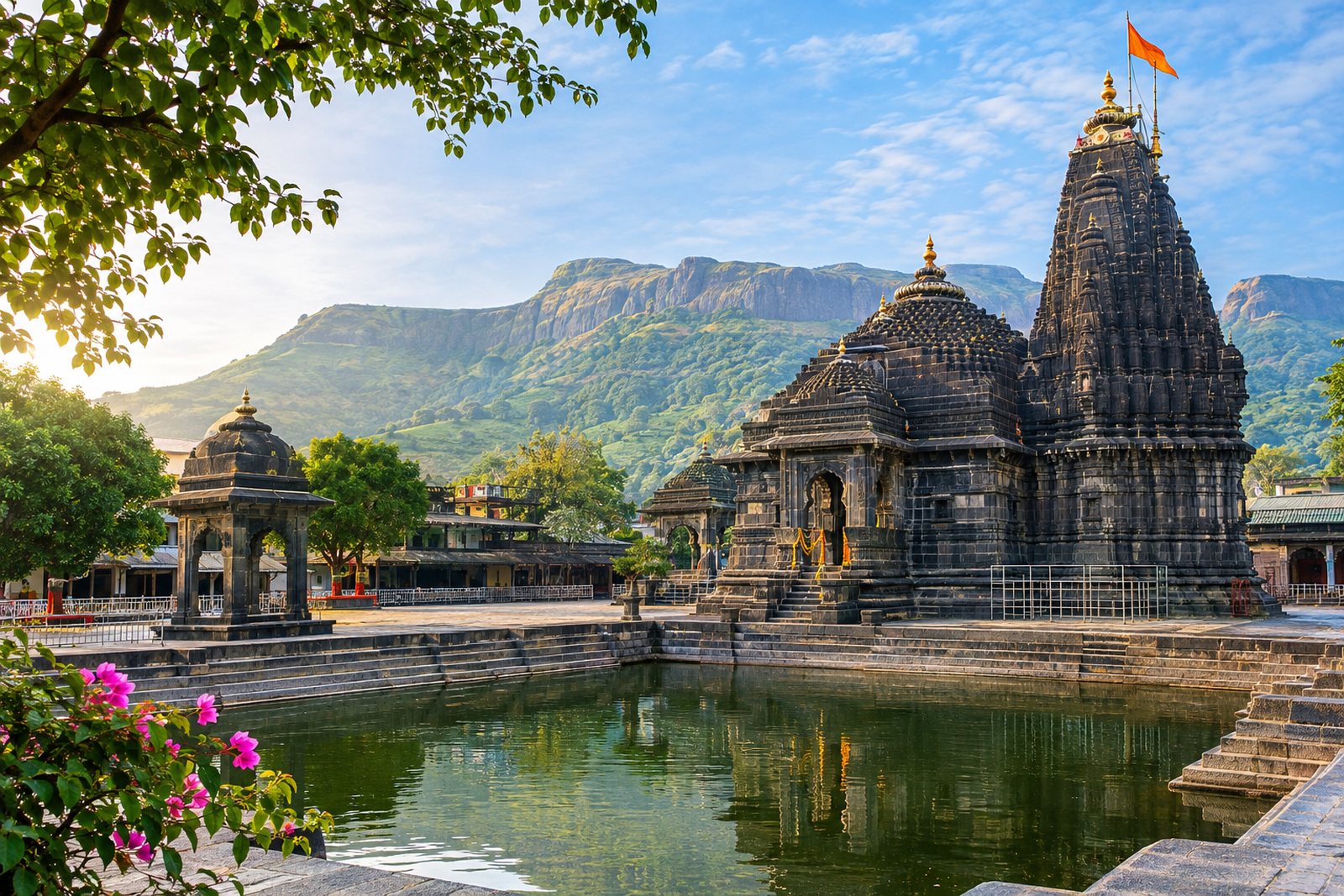
- Trimbakeshwar Jyotirlinga, around 30 km away, where the Godavari begins.
For a short trip, Nashik Darshan covers Panchavati and nearby temples in two nights, as per the package itinerary. Nashik & Shirdi gives you three nights with a day for Sai Baba's Shirdi, and Nashik Wine & Temples mixes the temples with the vineyard side of Nashik.
How to visit Kalaram temple today
- Where: Panchavati, Nashik, a short drive from Nashik Road railway station. Mumbai is around 4 hours by road.
- Best time: October to March. The monsoon is green but wet; summers are warm.
- Darshan: Timings and rules can change, so check with the temple trust or locally.
- Dress: Modest clothes. Footwear goes at the stand outside.
- Crowds: Ram Navami and other festivals bring big crowds. Every twelve years, the Kumbh Mela fills Nashik.
- Combine with: Ramkund, Sita Gufa and Kapaleshwar on foot, Trimbakeshwar by car.
Our tip: Stand for a minute near the main gate before you go in. Think about the people who sat right there in 1930, waiting. Then walk in. It changes how the darshan feels.
A gate worth remembering
Most temple stories are about who built them. This one is just as much about who was kept out, and the people who stood there peacefully and asked to come in. The gate is open now. Walking through it, it is worth remembering that it did not open by itself.
Planning the region? Read our Shirdi Nashik Trimbakeshwar guide or browse all Nashik holiday packages.
Frequently asked questions
What was the Kalaram Temple Satyagraha?
It was a movement that began on 2 March 1930 in Nashik, led by Dr B. R. Ambedkar, demanding that people of the so-called untouchable castes be allowed to enter the Kalaram temple. Thousands took part peacefully.
Who organised the Kalaram Temple Satyagraha?
Dr Ambedkar led it, and local leaders including Dadasaheb Gaikwad played a major role in organising the satyagrahis in Nashik.
Did the satyagrahis get entry into Kalaram temple in 1930?
No. The temple gates stayed closed to them during the movement, which continued in phases for some years. Equal access came later, after independence, through the Constitution and laws against untouchability.
Why is Kalaram temple called Kalaram?
Kala means black. The temple's idol of Lord Ram is made of black stone, and so are those of Sita and Lakshman, which is why it is called Kalaram, the black Ram.
Can everyone visit Kalaram temple today?
Yes. Kalaram temple is open to all devotees and visitors. Darshan timings and rules can change, so check with the temple trust or locally before you go.