Jagannath Temple Mysteries: The Flag, the Shadow and the Sea Sound
A flag that flies against the wind, a dome without a shadow, a sea that falls silent at the gate. The Jagannath temple mysteries, what bhakts believe and what history says.
Does the flag really fly against the wind?
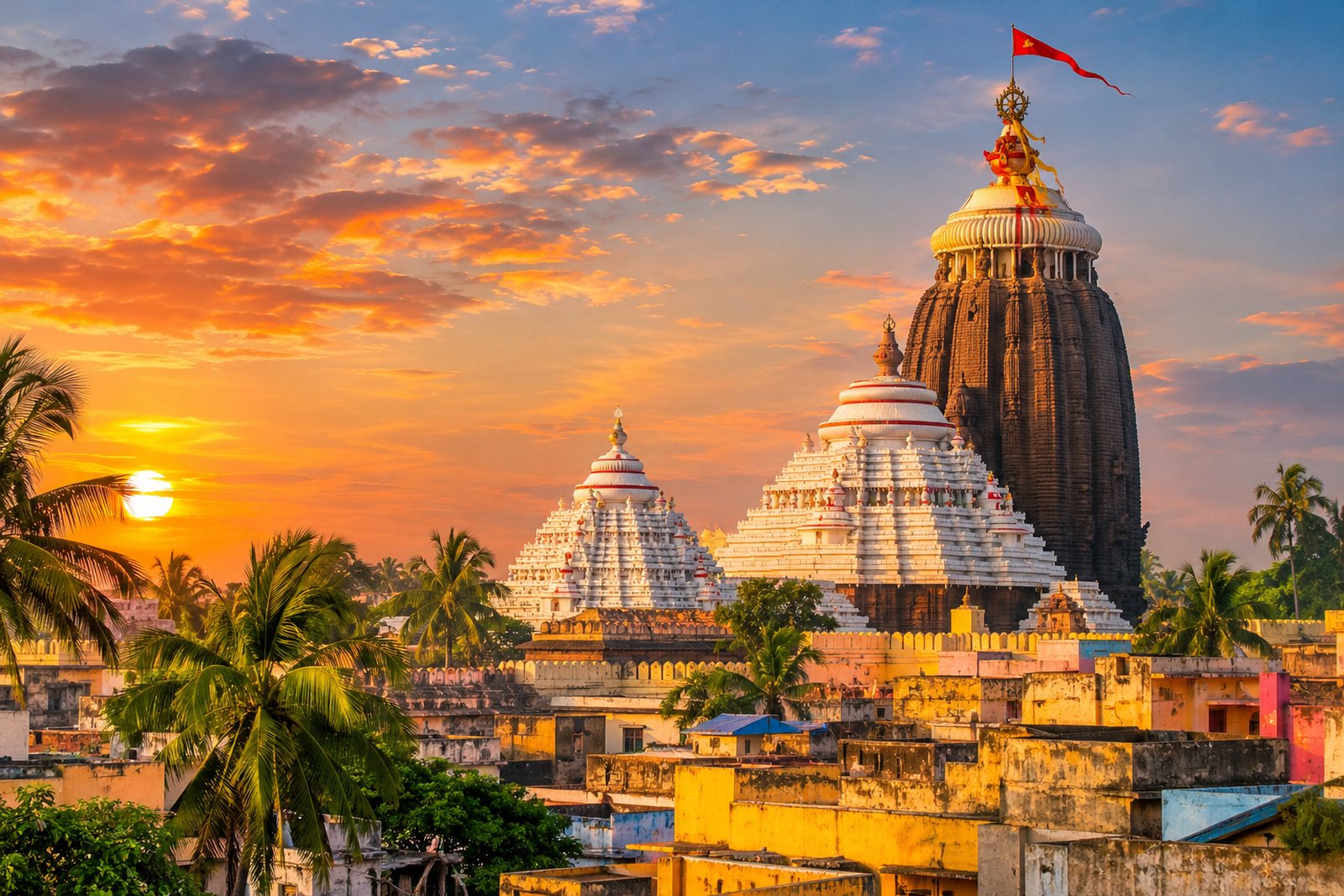
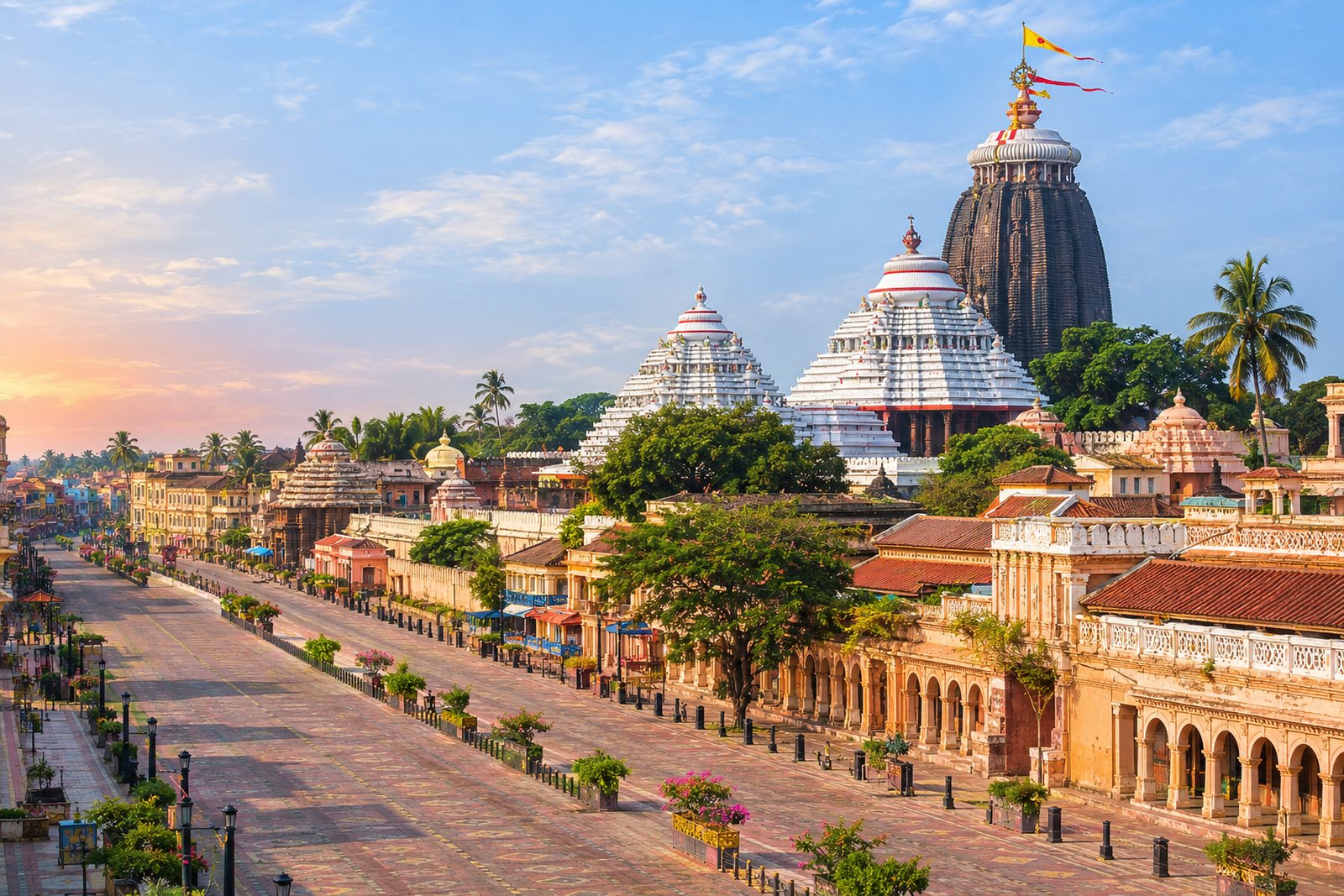
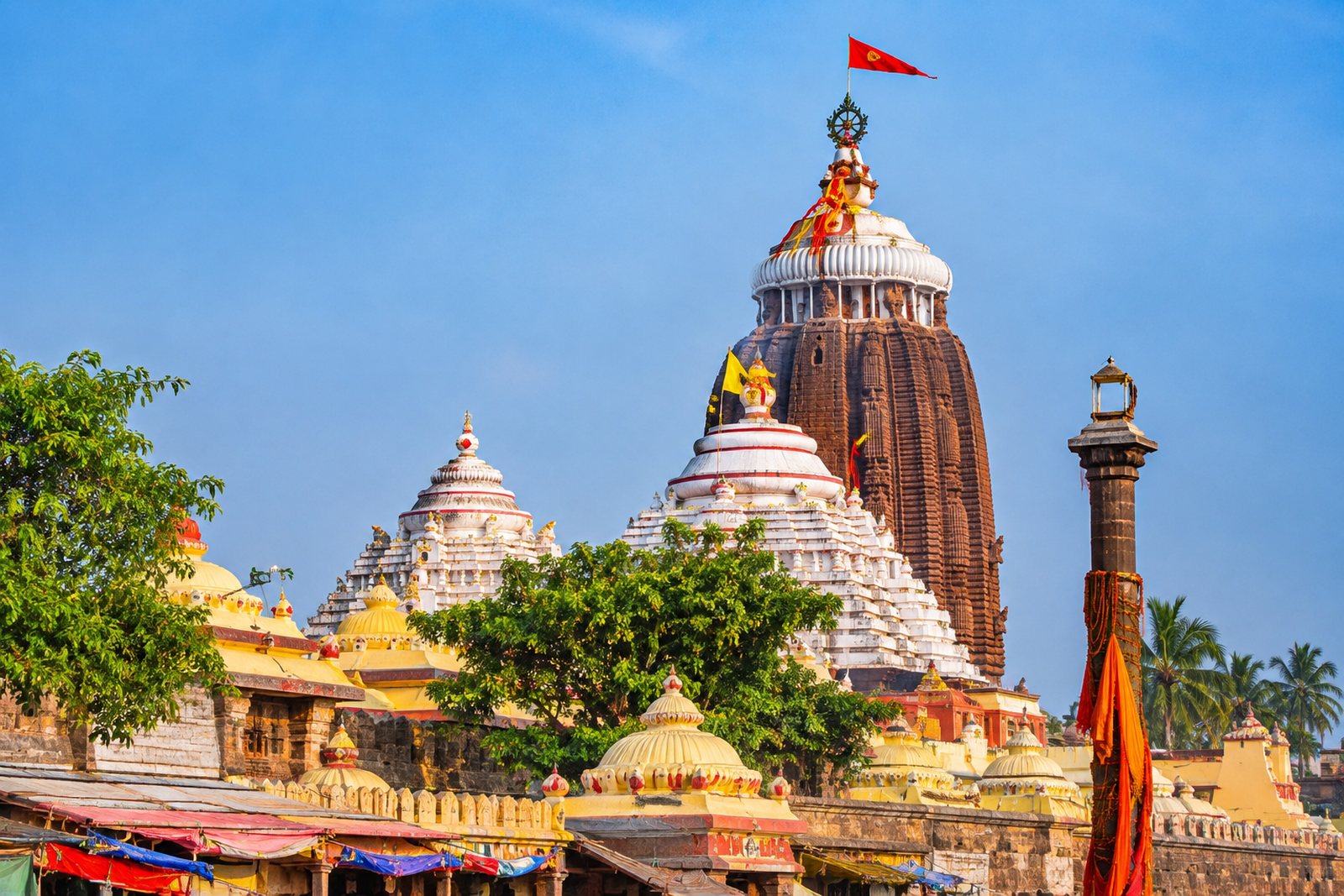
Stand on Grand Road in Puri in the afternoon and you will see people doing a little test. They look at the palms, see which way they are leaning in the sea breeze, then tip their heads all the way back to the top of the temple, where red flags flutter far above everything else in town. Then they nod to each other, satisfied. "Dekha? Ulta."
This is the Jagannath temple mysteries article: the flag, the shadow, the sea sound and the kitchen, told the way bhakts tell them, with a calm look at what history and common sense add, and tips for your darshan.
The beliefs bhakts share about the temple
Every famous temple collects stories. Puri has more than most, and people pass them on with real affection, the way a family repeats a favourite joke. Here are the ones you will hear first.
The flag that flies the wrong way. Bhakts say the flags on top of the shikhara flutter against the direction of the wind. Every single day, a sevak climbs up the outside of the temple, by hand, to change them. Watching that climb is a sight in itself.
The shadow that never falls. The main dome, it is said, casts no shadow at any hour.
The sea that goes silent. Outside, the Bay of Bengal roars a short distance away. Step through the Singhadwara, the Lion Gate, and many people swear the sound of the waves simply stops.
The chakra that always faces you. The Nila Chakra, the metal wheel on top of the shikhara, is said to look the same, facing you, from wherever in Puri you see it.
Nothing flies over it. People will tell you that birds avoid the temple's top and that planes do not fly over it.
The kitchen that never runs short. In the temple kitchen, prasad is cooked in earthen pots stacked one on top of another over wood fires, and the top pot is said to cook first. The quantity, devotees say, never runs short and never goes waste, however many people turn up.
What history and common sense add
None of this needs to be "busted". But it is fair to know what else people say.
The temple is very tall and stands close to the coast, where sea breezes and land breezes shift through the day. Around a tall structure, air swirls and changes direction, so a flag at the top can easily point a different way from the palms below. The shadow belief is harder to test; at many times of day the shadow of the dome falls largely on the temple's own structures and complex, which is not the same as having none. The silent sea at the gate is helped by thick stone walls, the bells and the chanting crowd inside.
The kitchen is less mystery and more marvel. It is counted among the largest temple kitchens in India, run by hereditary cooks, and the mahaprasad cooked there, sold at the Ananda Bazaar inside the complex, feeds thousands every day.
The temple's history is well established. The present structure was built in the 12th century, and historians credit King Anantavarman Chodaganga Deva of the Eastern Ganga dynasty with starting it. Later rulers added to it. Jagannath's worship sits at the heart of Odia life and culture to this day.
Did you know? The deities themselves are made of wood, not stone, and are replaced in a ritual called Nabakalebara, held in certain years when the calendar allows it. We have told that story in the Jagannath unfinished idol legend.
Visiting the Jagannath temple today: safety, timings, respect
- Entry: entry to the main temple is restricted to Hindus as per temple rules. Others can see the shikhara from outside, and everyone can watch the Rath Yatra on Grand Road.
- Phones and bags: mobile phones, cameras and leather items are generally not allowed inside. Use the lockers outside.
- Dress: traditional or modest clothing is expected. Check the latest dress guidance with the temple administration.
- Crowds: mornings on weekdays are easier. Festivals, especially Rath Yatra in June or July, bring enormous crowds; exact dates follow the Odia calendar.
- Priests and donations: you may be offered help with darshan. Agree on everything beforehand and use official counters for prasad and offerings.
- Mahaprasad: eat it as locals do, sitting on the floor at Ananda Bazaar, with your right hand.
Our tip: Before or after darshan, walk to the far side of Grand Road and look back at the shikhara for a few minutes around sunset. You get the flag, the chakra and the crowd all in one frame, and you can run your own little wind test.
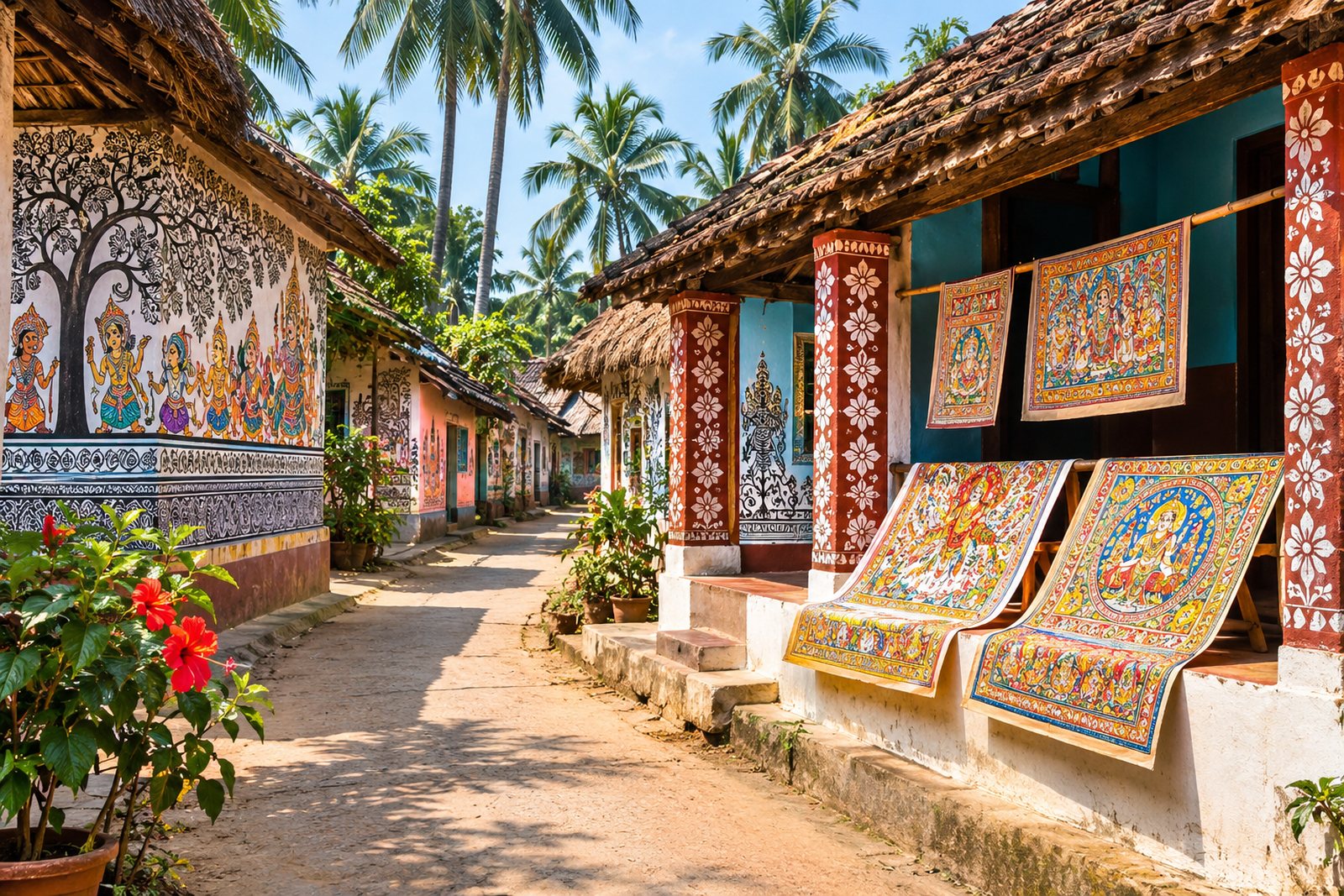
BellaSafar's Puri Jagannath Darshan gives you two nights in Puri for darshan, the beach and a Konark visit, as per the package itinerary. Puri Konark Bhubaneswar adds a third night and the temples of Bhubaneswar, and Puri Explorer stretches to four nights with room for the painters' village of Raghurajpur.
Why the mysteries matter
You can explain the wind. You can argue about the shadow. It does not really change anything. People come to Puri because Jagannath, with his round eyes and open arms, feels like family. The mysteries are just the stories that family tells about him.
Planning the trip? Read our Puri Konark Bhubaneswar tour guide or browse all Puri holiday packages.
Frequently asked questions
Does the Jagannath temple flag really fly against the wind?
Many bhakts believe so, and it is one of the best-known Jagannath temple mysteries. Others explain that winds swirl unpredictably around a very tall structure near the coast. Either way, watching the flag is part of the experience.
Is it true the Jagannath temple has no shadow?
The belief that the main dome casts no shadow is widely shared. In practice the shadow largely falls on the temple's own structure and complex at many hours of the day. Treat it as a cherished belief rather than a proven fact.
Why can't you hear the sea inside the Jagannath temple?
Devotees say the sound of the ocean stops once you step through the Singhadwara. The thick walls, the crowd and the temple sounds certainly drown it out. Many visitors still feel the change sharply.
Who changes the flag on the Jagannath temple?
Hereditary sevaks climb the outside of the shikhara every day, by hand, to change the flags at the top. It is a tradition carried on by the same families for generations.
Can non-Hindus enter the Jagannath temple?
Entry to the main temple is restricted to Hindus as per temple rules. Others can see the shikhara from the outside and watch the Rath Yatra on Grand Road. Check current rules with the temple administration.