Bikaner Bhujia and Rasgulla: A Snack Lover's Guide
Watch bhujia being fried in the old city, taste spongy Bikaner rasgulla, kachori at breakfast and hot kesar milk at night: a snack lover's day in Bikaner.
Every Indian kitchen has known Bikaner long before visiting it. It is in the steel dabba on the top shelf, the one with the namkeen that Papa takes out with evening chai. It is in the tin of spongy white rasgullas that turns up at every wedding. So when you finally walk into Bikaner's old city and smell gram flour and ajwain frying in a lane, it feels less like discovery and more like meeting a relative you have only spoken to on the phone.
This is a snack lover's guide to Bikaner bhujia rasgulla country: where the crunch comes from, what to eat through the day, and how to fit it into a trip.
Why is Bikaner famous for bhujia?
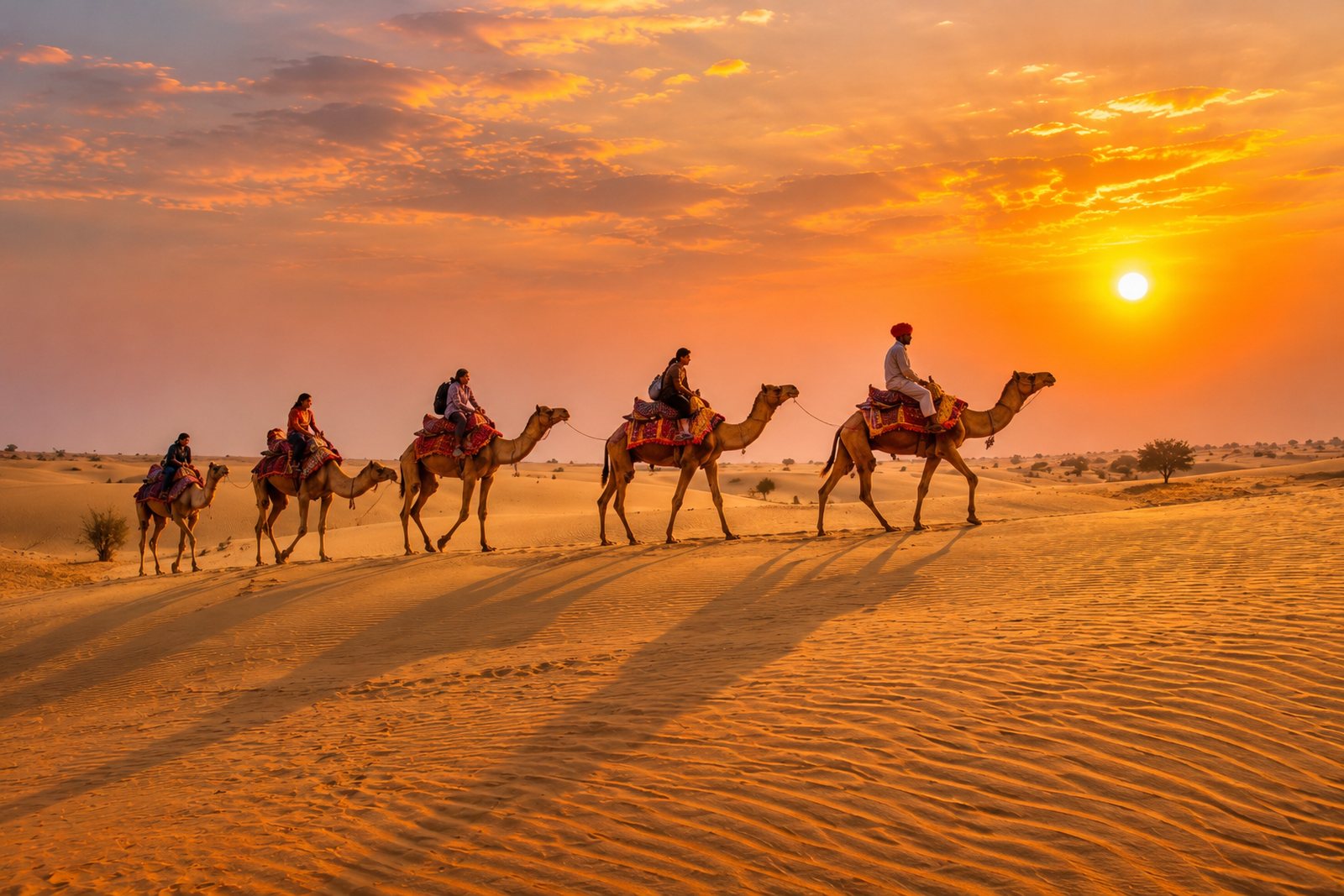
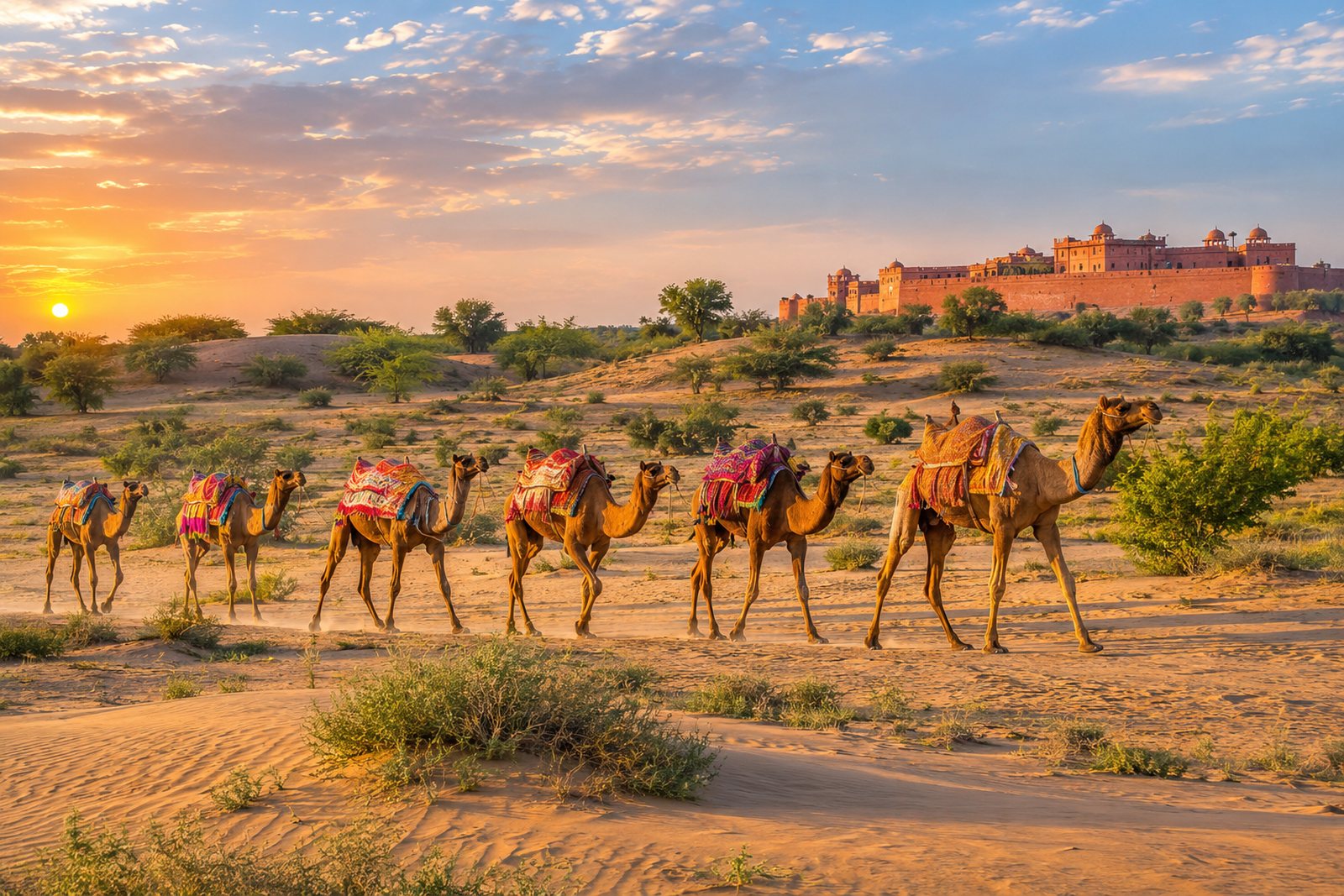
Bikaner sits in the Thar desert of north-west Rajasthan, founded by Rao Bika in the late 15th century. Desert food had to keep. Dry snacks made from lentil and gram flour lasted for days in the heat, travelled well with traders, and needed very little water. Bhujia fits that story perfectly.
Bikaneri bhujia is made mainly from moth bean flour and besan, seasoned with spices like black pepper and ajwain, pressed through a sieve into thin strands and fried. That moth flour is what gives it its particular crunch and slightly earthy taste. The snack is so tied to the city that Bikaneri bhujia has a Geographical Indication tag.
Watching bhujia being made in the old city
The best way to understand bhujia is to watch it being made. In the old city, many small family-run units and shops work in the open or just behind the counter. A man stands over a huge karahi of oil with a perforated ladle or press, and the dough drops in as thin threads that hiss and turn golden in seconds. Someone else lifts it out with a big flat strainer and shakes it dry. It is hypnotic and fast.
You can usually buy it hot from the batch. It is not the same as the packet at home. Fresh bhujia is lighter and the spice hits differently.
Our tip: Ask for a small taste of two or three varieties before buying. Shops sell many kinds, from plain and spicy to versions with different spice mixes, and families back home will have opinions.
Bikaner rasgulla: soft, spongy and sold by the tin
Bikaner's other big name is rasgulla. Locals will tell you, with complete confidence, that Bikaner's are the best. They are soft and spongy, made from chhena and soaked in light sugar syrup, and the city is known for packing them in tins that travel all over the country.
Eat a fresh one at a sweet shop, still slightly warm from the syrup, and then buy the tin. Also try rasgulla's richer cousins: rajbhog, rabri, and in season, ghewar.
A Bikaner snack day, from morning to night
Morning. Start with kachori, Bikaner's breakfast favourite: dal kachori or pyaaz kachori with tangy chutney, sometimes with a spicy aloo sabzi on the side. Samosas and jalebi share the counter. Add a cup of strong, sweet chai.
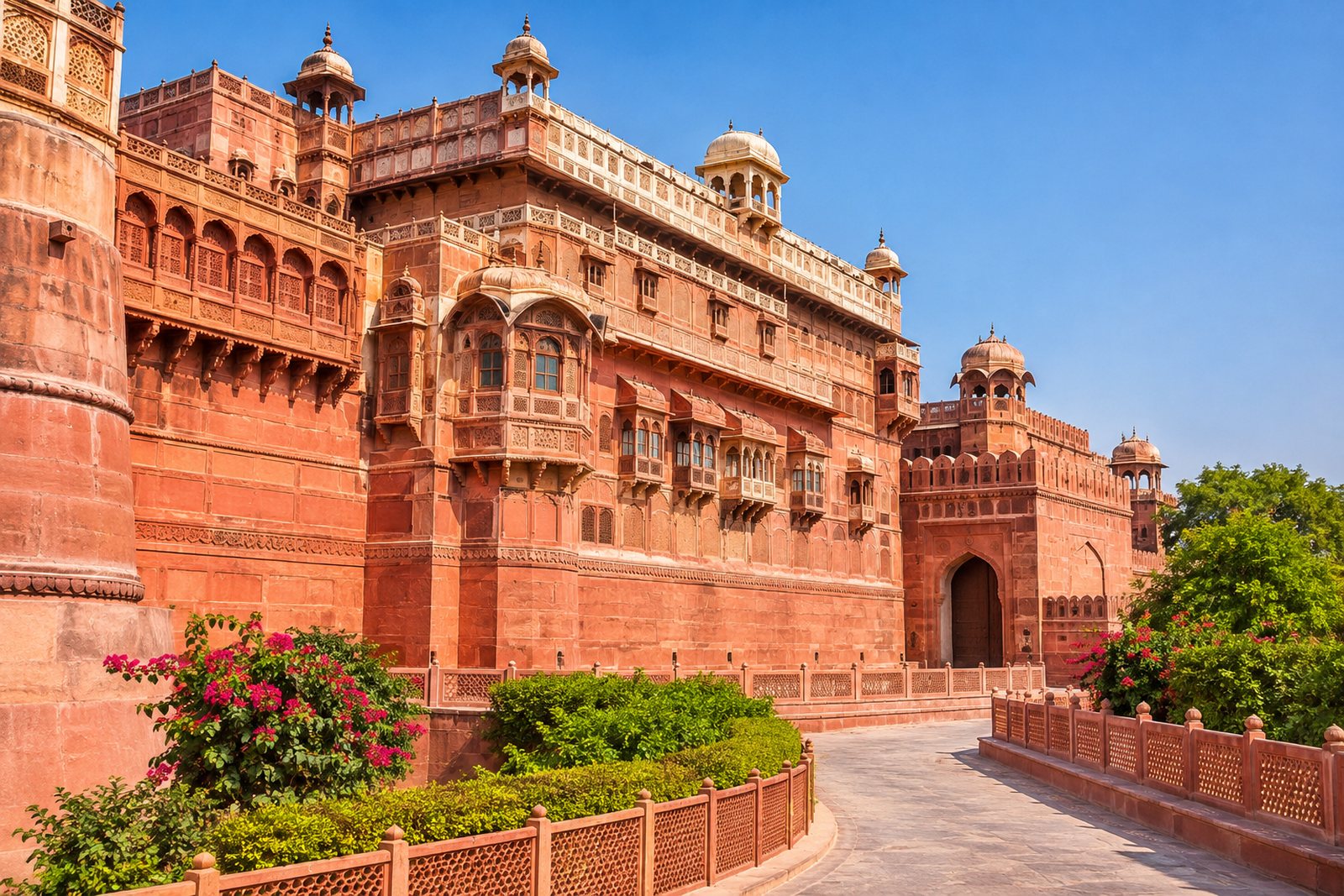
Late morning. Head to Junagarh Fort, built in the late 16th century under Raja Rai Singh, and spend a couple of hours inside its painted rooms. Then go back to the old city for lunch.
Afternoon. The old city lanes, around the Rampuria Havelis and Bhandasar Jain Temple, are full of namkeen shops, sweet shops and papad sellers. Bikaneri papad is famous too, crisp and peppery. Buy a few packets for home.
Evening. As the desert cools, Bikaner turns to milk. Large kadhais of milk simmer on low flames, and you can order a glass of hot kesar milk with a thick layer of malai on top. It is the city's evening ritual.
Night. End with rabri or a last rasgulla. Bikaner sleeps early, and so will you.
Camel milk and Karni Mata: two detours worth the time
The camel research centre outside town is about camels, but visitors often find camel-milk treats there too. Products and timings vary, so check locally.
Further out, at Deshnoke, is the Karni Mata Temple, famous for the thousands of rats, called kabbas, that devotees treat as sacred. Seeing a white one is considered lucky. Prasad here is sweet and simple, and you will notice how many people come back from Deshnoke with sweets for the family.
The easiest way to do this is our Bikaner Getaway, one night from Bikaner Junction station with a full day of sightseeing, including Junagarh, the old city havelis and Karni Mata, as per the package itinerary. If you want Bikaner as part of a bigger Rajasthan loop, Complete Rajasthan from Jaipur and Rajasthan Ultimate both include a night in Bikaner on the way to Jaisalmer.
Practical tips for a Bikaner food trip
- October to March is best; summer afternoons are very hot.
- Carry a sturdy bag: bhujia packets are light, rasgulla tins are not.
- Tins of rasgulla are usually fine for travel, but ask how long they last.
- Eat fried food in moderation on day one if you are not used to it.
- Keep evenings free for the kesar milk.
- Buy sealed packs if you are flying, and check airline rules for liquids in tins.
How long do you need in Bikaner?
One full day covers the fort, the old city, Karni Mata and the food. Two days let you slow down, eat twice as much and add the camel centre.
The best Bikaner souvenir is not a photo. It is a box, still warm, with a bit of oil showing through the paper, and the smell of ajwain in the car all the way back.
For more desert planning, read our Jaisalmer desert trip plan, which also covers Bikaner, or browse all Bikaner holiday packages.
Frequently asked questions
Why is Bikaner famous for bhujia?
Bikaneri bhujia, made mainly from moth bean flour and besan, grew from desert food that kept well in the heat. It is so linked to the city that it has a GI tag.
What is Bikaneri bhujia made of?
Mainly moth bean flour and gram flour, with spices like black pepper and ajwain, pressed into thin strands and fried.
Is Bikaner rasgulla different from other rasgullas?
Bikaner's rasgullas are soft, spongy chhena balls in light syrup, famous for being packed in tins that travel across India.
What else should I eat in Bikaner?
Try dal or pyaaz kachori for breakfast, Bikaneri papad, rabri, ghewar in season and a glass of hot kesar milk with malai in the evening.
How many days do I need in Bikaner?
One full day covers Junagarh Fort, the old city, Karni Mata and the food. Two days give a slower pace.