Pune Trip: City Sights, Ashtavinayak Darshan and Bhimashankar
Plan a Pune trip with Shaniwar Wada, Sinhagad Fort, five Ashtavinayak temples and Bhimashankar Jyotirlinga, plus a 4-night Maharashtra Jyotirlinga route.
A Pune trip can be a relaxed city break, a temple yatra, or both. Within a few hours of the city are Peshwa-era landmarks, the hill fort of Sinhagad, five of the eight Ashtavinayak temples, and Bhimashankar, one of the twelve Jyotirlingas. This guide explains how to combine them and which BellaSafar package fits your plan.
How to reach Pune and get around
- By air: Pune Airport at Lohegaon has direct flights from most big Indian cities. All our Pune plans start here.
- By train: Pune Junction is well connected, with frequent trains from Mumbai and long-distance trains from across India.
- By road: Mumbai to Pune is around 3 to 3.5 hours on the expressway.
Realistic road times from Pune:
- Sinhagad Fort around 1 hour
- Theur around 45 minutes; Morgaon around 2 hours; Ranjangaon around 1.5 hours
- Junnar area (Lenyadri, Ozar, Shivneri) around 2.5 hours
- Bhimashankar around 3 hours
- Nashik around 5 hours; Nashik to Chhatrapati Sambhajinagar (Aurangabad) around 4.5 hours
Pune's traffic is heavy at peak hours, so day trips usually leave early.
Pune trip itinerary for 4 days with Bhimashankar
This plan follows our Pune with Bhimashankar package, with all three nights in Pune.
| Day | Plan |
|---|---|
| 1 | Airport pickup and city tour: Shaniwar Wada, Dagdusheth Halwai Ganpati, Aga Khan Palace and Kasturba Samadhi, Pataleshwar Cave Temple, Laxmi Road market |
| 2 | Sinhagad Fort with the Tanaji Malusare memorial and old gates; Khadakwasla lake and Parvati Hill Temple on the way back |
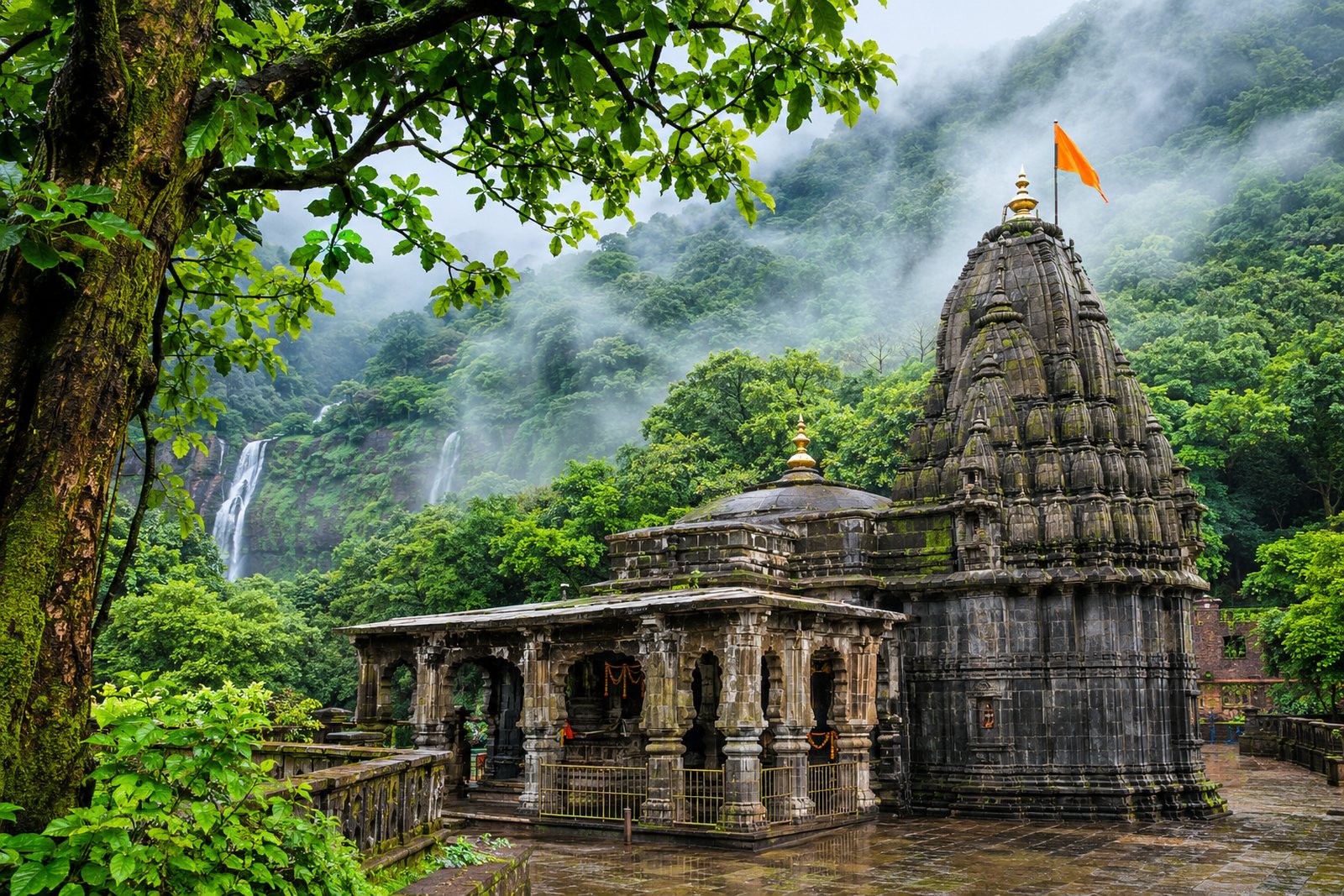
| 3 | Early drive to Bhimashankar: Jyotirlinga darshan, the old stone carvings, Gupt Bhimashankar and forest views from Nagphani Point |
| 4 | Airport drop |
The Pune with Bhimashankar package includes a private AC car and driver for all sightseeing and breakfast and dinner every day.
Which BellaSafar package suits you
| Package | Nights | Route | Best for |
|---|---|---|---|
| Pune City Break | 2 | Pune 2N: city tour and Sinhagad Fort | Short weekend, history lovers |
| Pune with Bhimashankar | 3 | Pune 3N: city, Sinhagad and Bhimashankar | Families who want sights and one Jyotirlinga |
| Pune Ashtavinayak Yatra | 3 | Pune 3N: city, Morgaon, Theur, Ranjangaon, Lenyadri, Ozar, Shivneri | Ganesh devotees |
| Maharashtra Jyotirlinga Yatra | 4 | Pune 1N, Nashik 2N, Aurangabad 1N | Pilgrims covering three Jyotirlingas and Ellora |
Places to visit in Pune city
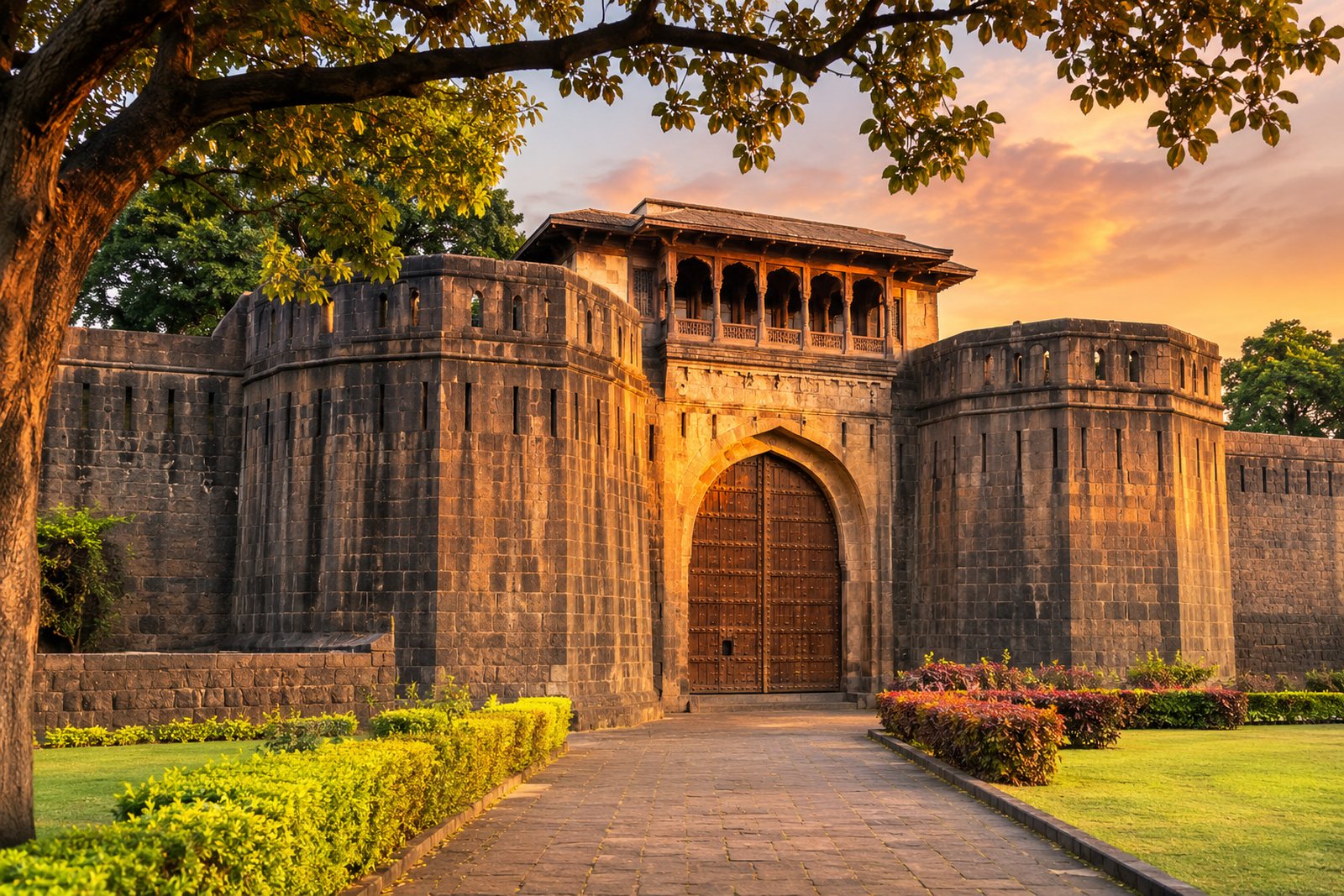
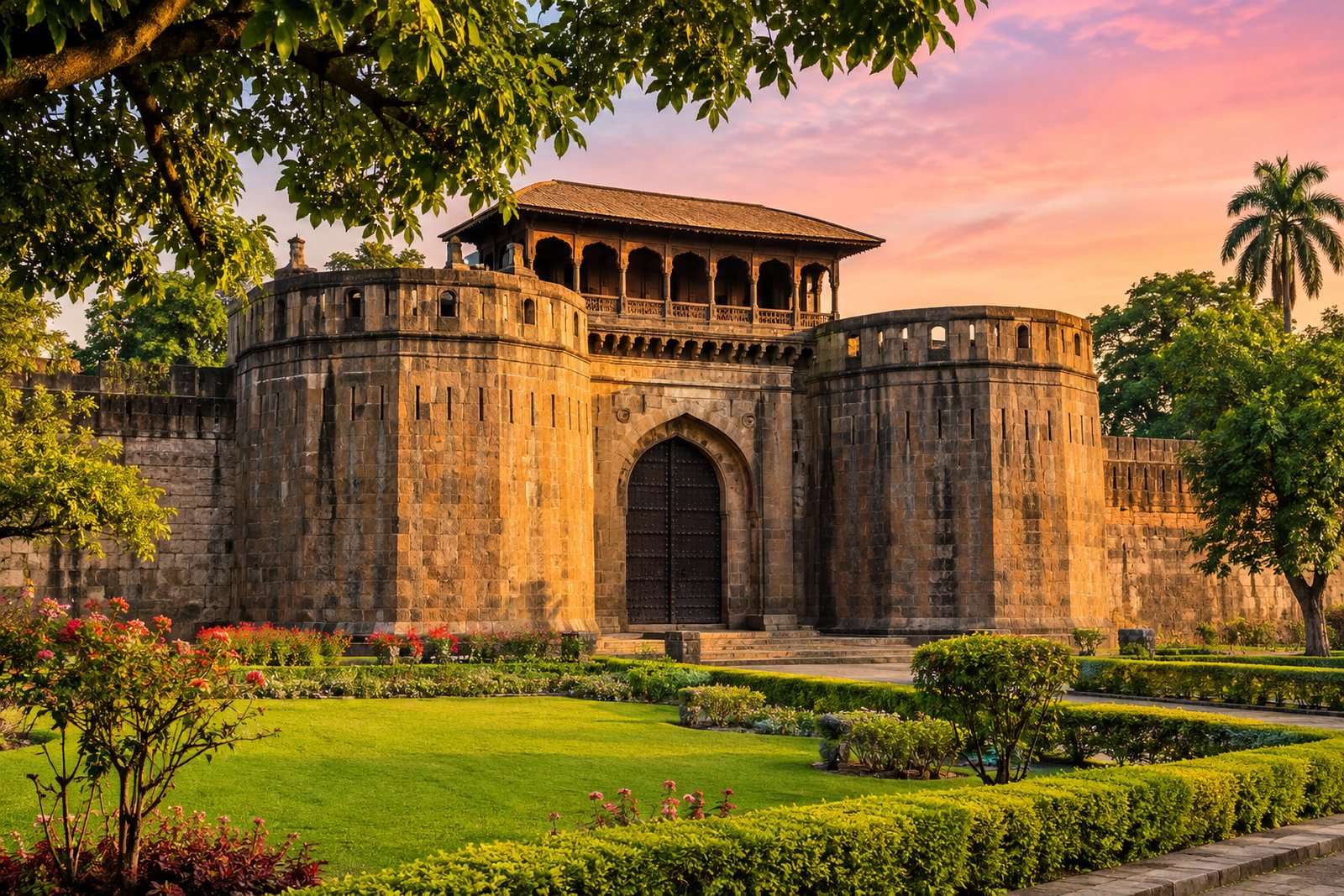
- Shaniwar Wada – the fortified palace of the Peshwas, now mostly walls, gates and gardens. Around 1 hour.
- Dagdusheth Halwai Ganpati Temple – Pune's best-known Ganesh temple, busiest on Tuesdays and during Ganeshotsav.
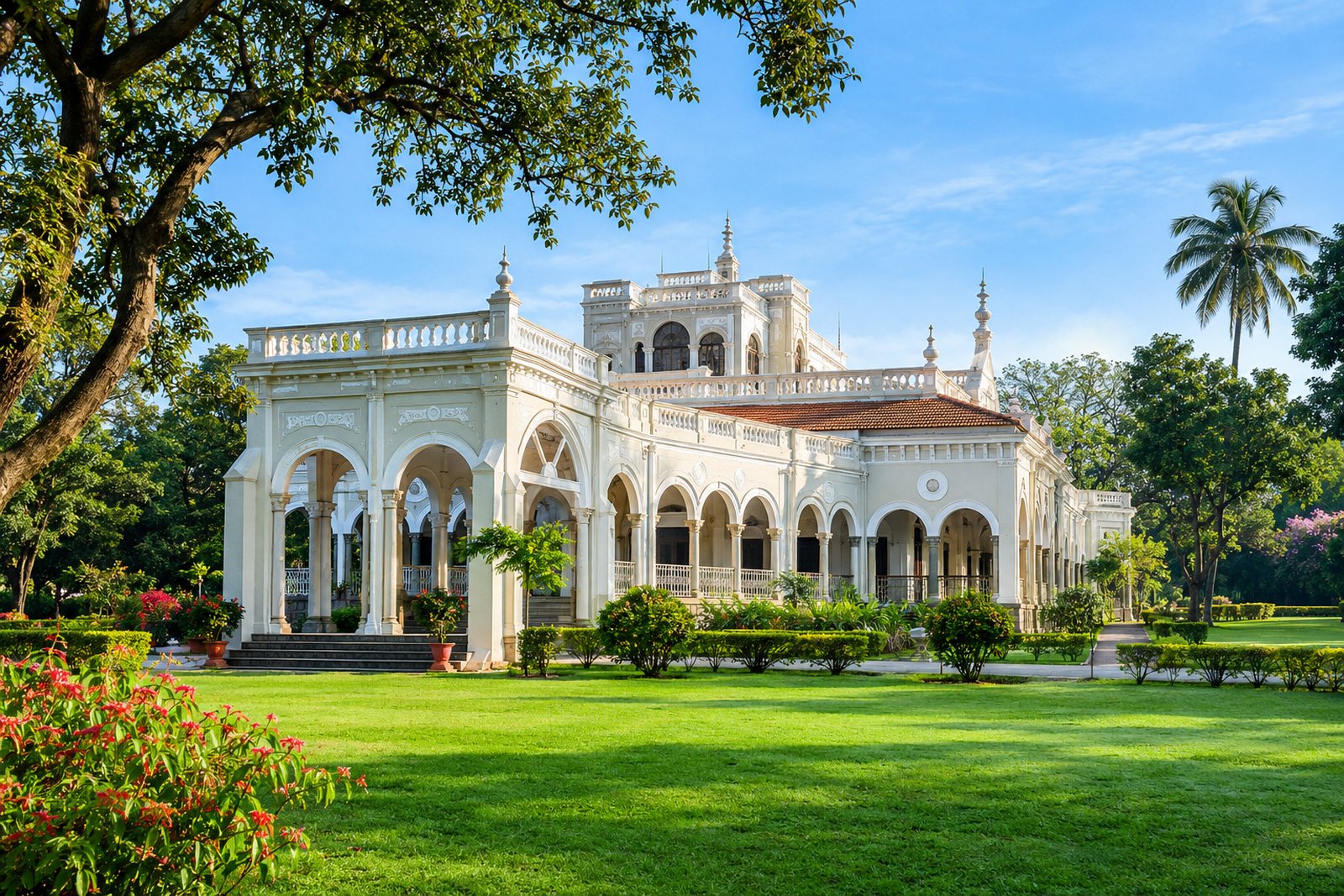
- Aga Khan Palace – where Mahatma Gandhi and Kasturba were held during the Quit India movement; Kasturba's samadhi is in the grounds.
- Pataleshwar Cave Temple – a rock-cut Shiva temple in the middle of the city.
- Laxmi Road – the old market street for sarees, jewellery and Puneri snacks.
- Sinhagad Fort – the hill fort linked to Tanaji Malusare's famous battle. Try the local pithla bhakri and curd at the top.
- Parvati Hill Temple – a climb of many steps with a wide view over the city.
Food to try in Pune
Pune is a good food city on a modest scale. Try spicy misal pav for breakfast, vada pav from a busy street stall, bakarwadi and other Puneri snacks from the old sweet shops, and a thick mastani milkshake in the evening. Thali restaurants serve both Maharashtrian and Gujarati meals.
Ashtavinayak temples on a Pune trip
The Ashtavinayak are eight self-manifested Ganesh temples around Pune and Raigad. Our Ashtavinayak plan covers five of them from a Pune base:
- Mayureshwar, Morgaon – traditionally where the yatra begins
- Chintamani, Theur – close to Pune
- Mahaganapati, Ranjangaon
- Girijatmaj, Lenyadri – a cave temple reached by around 280 steps
- Vighnahar, Ozar
The Morgaon, Theur and Ranjangaon temples are done as one loop on the first temple day, and Lenyadri and Ozar on the next. You return to Pune each evening, so there are no hotel changes, which suits elderly parents.
The same day in Junnar also covers Shivneri Fort, the birthplace of Chhatrapati Shivaji Maharaj. The remaining three temples, at Siddhatek, Pali and Mahad, are farther away; ask the team if you want a full eight-temple circuit with more nights.
Bhimashankar and the Maharashtra Jyotirlinga yatra
Bhimashankar sits in the Sahyadri forest, inside a wildlife sanctuary known for the Indian giant squirrel. The temple is reached by a long flight of steps down from the parking area. Mondays, the Shravan month and Mahashivratri are very crowded.
The four-night Maharashtra Jyotirlinga Yatra goes further. After Bhimashankar from Pune, it moves to Nashik for the evening at Ramkund, Trimbakeshwar Jyotirlinga and the Panchavati area. The last day covers Grishneshwar Jyotirlinga, the Ellora Caves and Daulatabad Fort before the drop at Chhatrapati Sambhajinagar (Aurangabad) airport. Ellora is closed on Tuesdays, so the dates must be planned around that. At Grishneshwar, men are usually asked to remove their shirts to enter the sanctum.
Best time for a Pune trip
- October to February is the most pleasant, with cool mornings and clear forts.
- March to May is hot in the afternoons; plan forts and temples early.
- June to September is the monsoon. Sinhagad and Bhimashankar turn green and misty, which many people love, but steps and paths get slippery and fog can hide views.
Ganeshotsav (August or September) brings huge crowds and road closures in central Pune. The next Simhastha Kumbh at Nashik and Trimbakeshwar is expected in 2027, so check dates if you plan the Jyotirlinga route that year.
Pune trip cost: what changes the budget
- Number of nights and how many day trips you add.
- Route type – a Pune-only base versus the one-way Jyotirlinga route ending in Aurangabad.
- Hotel category in Pune, Nashik and Aurangabad.
- Car type – sedan, SUV or tempo traveller.
- Festival dates – Ganeshotsav, Shravan and Mahashivratri.
- Paid extras – monument tickets, special darshan passes and guides.
Practical tips for families and pilgrims
- Wear good walking shoes for Sinhagad, Lenyadri and Bhimashankar.
- Dress modestly for temples and carry a scarf or stole.
- Keep a light rain jacket from June to September.
- Carry cash for parking, prasad and small stalls near temples.
- Temple timings, darshan rules and monument days change, so check them close to travel.
For more stays and routes, see all Pune holiday packages.
Frequently asked questions
How far is Bhimashankar from Pune?
Bhimashankar is around 110 kilometres from Pune, around 3 hours by road. It is usually done as a full day trip with an early start.
Can Ashtavinayak darshan be done from Pune?
Yes, five of the eight temples (Morgaon, Theur, Ranjangaon, Lenyadri and Ozar) can be covered in two day trips from Pune. The other three, at Siddhatek, Pali and Mahad, need extra time.
How many days are enough for Pune?
Two nights is enough for the city and Sinhagad Fort. Three nights lets you add Bhimashankar or the Ashtavinayak temples.
What is the best time to visit Bhimashankar?
October to February is the most comfortable time. The monsoon is beautiful but foggy and slippery, and Shravan Mondays and Mahashivratri are very crowded.
Which Jyotirlingas are in Maharashtra?
Maharashtra has Bhimashankar, Trimbakeshwar and Grishneshwar, along with Aundha Nagnath and Parli Vaijnath. Our 4-night yatra covers the first three, plus Ellora.