Pazhassi Raja: The Lion of Kerala Who Fought From Wayanad
A Malabar prince who took to the Wayanad forests and fought the East India Company for years. The story of Pazhassi Raja, and where to find his memory today.
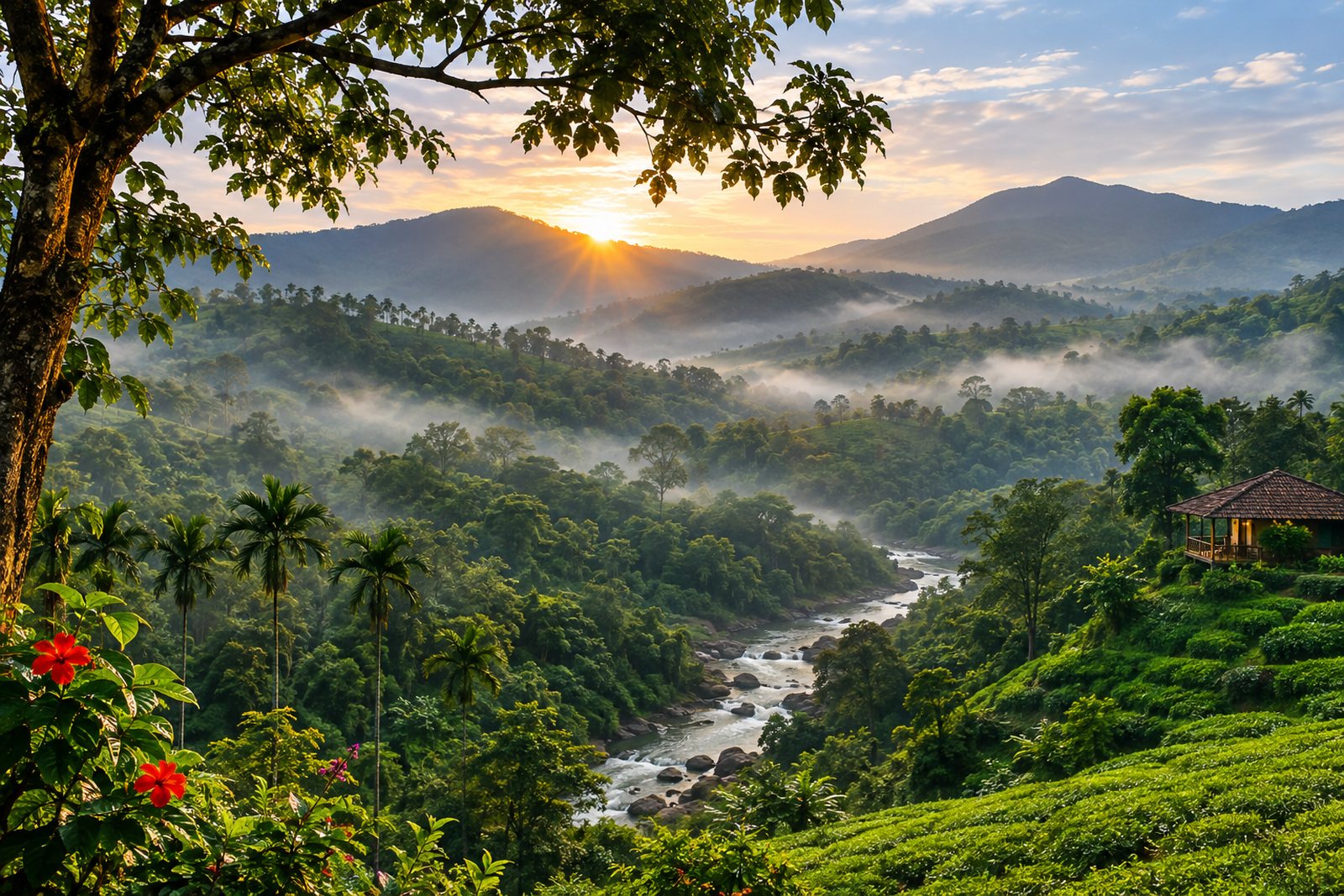
The forest at night is not silent. Crickets, frogs, a branch breaking somewhere, the far-off trumpet of an elephant. Two hundred and some years ago, a Company patrol marching through Wayanad heard exactly these sounds, and then one more: a bird call that was not a bird. By the time the soldiers understood, arrows were already coming out of the trees.
The man behind that ambush was Pazhassi Raja, Kerala Varma of the Kottayam royal house of north Malabar, and for years he turned the forests of Wayanad into the hardest place in South India for the East India Company to fight. Here is his story, and where you can still feel it on a Wayanad trip.
A prince from north Malabar
First, a small confusion to clear up. The Kottayam of Pazhassi Raja is not the Kottayam of the central Kerala backwaters. It was a small kingdom in north Malabar, around the Thalassery side, and Pazhassi was the name of his family seat.
In the late 18th century Malabar had already seen the armies of Mysore under Hyder Ali and Tipu Sultan. Many Malabar rulers fled south. Kerala Varma stayed and resisted. When Mysore's hold weakened and the region passed to the East India Company in the 1790s, he expected his family's rights to be respected.
They were not, at least not the way he saw it. The Company handed tax collection in his lands to others, and pushed heavy revenue demands on the farmers. He protested. Then he fought.
Why the Wayanad forests mattered
The plains of Malabar were easy country for an army with cannons. Wayanad was not.
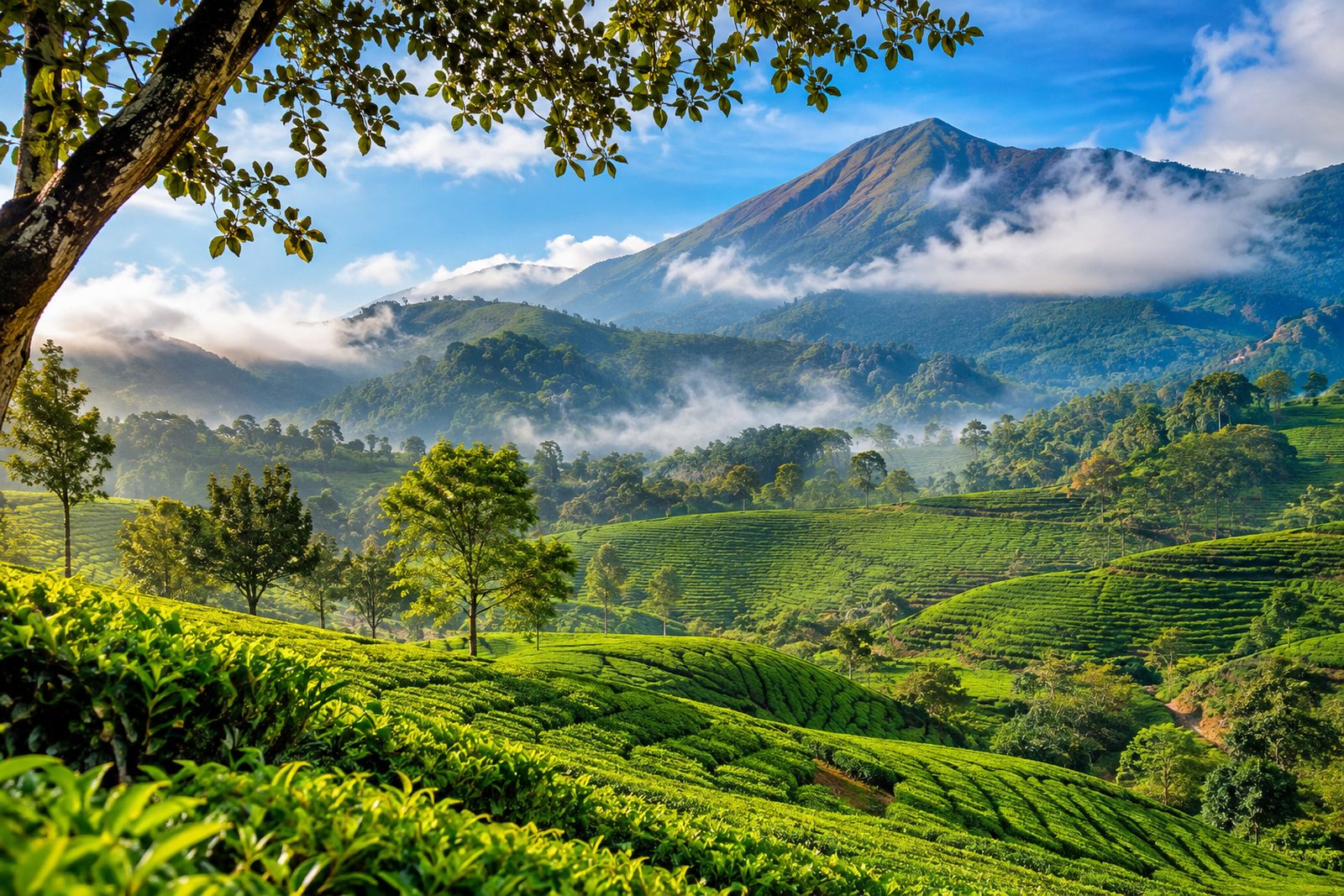
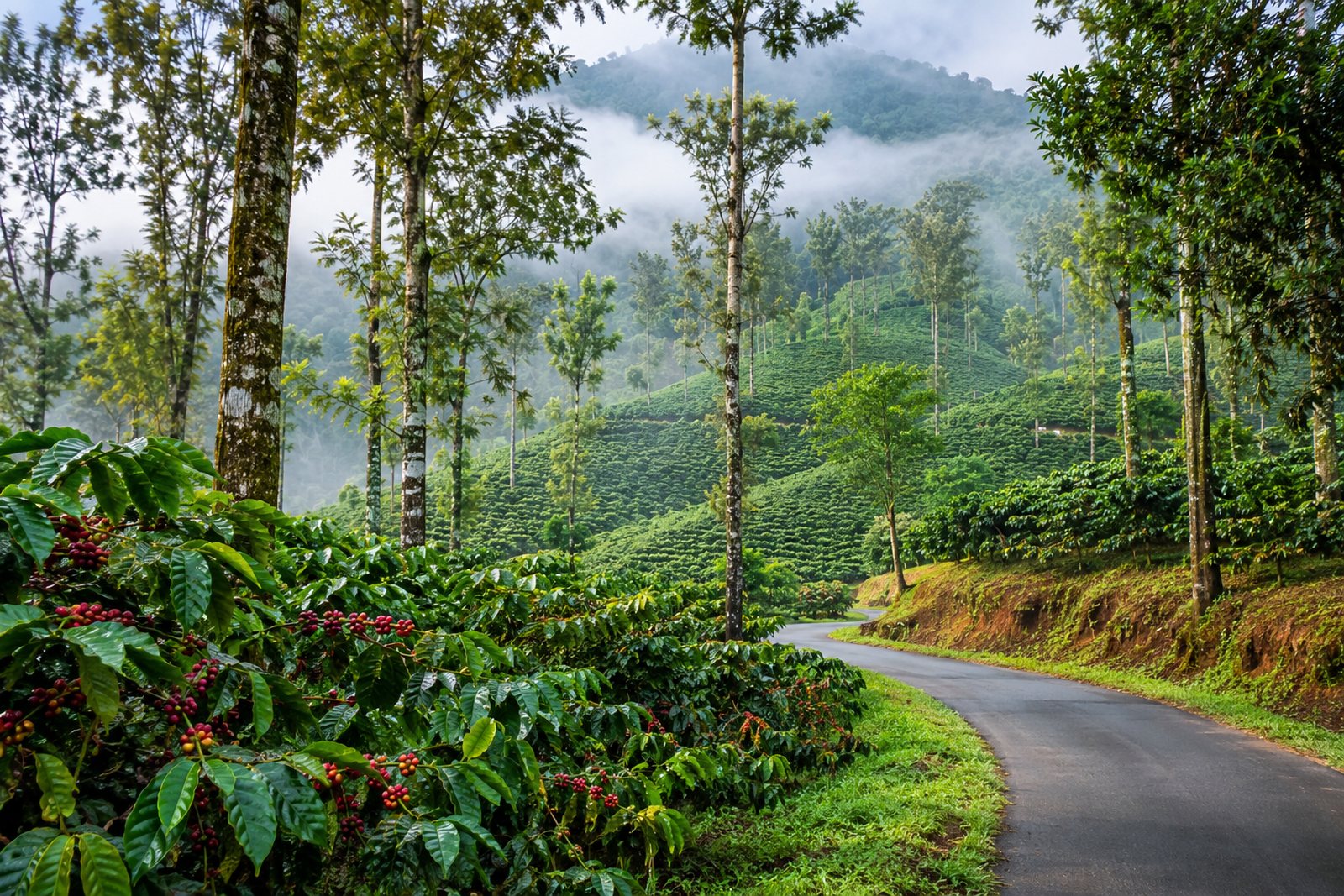
Up on the plateau, the forests were thick, the paths narrow and the rain came down for months. Pazhassi knew the land and, more importantly, the people. Kurichiya and Kurumba communities, skilled archers and forest people, joined him. So did local chieftains and farmers.
Historians describe what followed as two long phases of revolt, through the 1790s and again in the early 1800s. Pazhassi's men struck Company posts and convoys, vanished into the forest and struck again somewhere else. The Company brought in more troops. At one stage the campaign involved Colonel Arthur Wellesley, who later became the Duke of Wellington.
Did you know? Among Pazhassi Raja's most trusted commanders was Thalakkal Chandu, a Kurichiya warrior. He is remembered in Wayanad as a hero in his own right, and a memorial to him stands in the district.
The last encounter, November 1805
By 1805 the Company had surrounded the forests with posts and informers. On 30 November 1805, Company forces caught up with the Raja near the Mavila Thodu stream, close to the Kerala-Karnataka border. He was killed in the fighting.
Accounts from the time say even the British officer who led the operation wrote about him with a kind of respect. His body was given a funeral at Mananthavady. Malayalam writers later called him Kerala Simham, the Lion of Kerala, and the name stayed.
Pazhassi Raja in memory and cinema
You will find his name all over the region: colleges, roads, a dam, a museum in Kozhikode. In 2009 the Malayalam film Kerala Varma Pazhassi Raja, with Mammootty in the title role, brought the story to a new generation, and plenty of families from outside Kerala first heard of him through it.
In Wayanad, though, the memory feels local and personal. Villages across the district have their own stories about where he hid or which stream he crossed. Treat those as folk memory. The love behind them is real.
Places linked to Pazhassi and other Wayanad stops
- Pazhassi tomb, Mananthavady: the memorial where he was cremated, a calm spot to stand for a few minutes.
- Pulpally: the forest area towards the border where the last fight took place.
- Edakkal Caves: prehistoric carvings on rock, a steep climb.
- Banasura Sagar Dam: a large earth dam with islands in the reservoir.
- Waterfalls: Soochipara and Meenmutty are popular after the monsoon.
BellaSafar's Wayanad Getaway is three nights in the district: local sightseeing, an Edakkal Caves and heritage day, and a waterfalls and Banasura Sagar day, as per the package itinerary. If Pazhassi's story is why you are coming, ask us whether Mananthavady can be fitted into one of the days.
How to visit Pazhassi's Wayanad today
- Getting there: Kozhikode (Calicut) is the nearest airport and big railway station, around three hours by road up the Thamarassery ghat.
- Best time: October to May for dry roads and walks. The monsoon from June is lush but heavy, with landslide warnings in some years.
- Pazhassi tomb: Timings and entry can change, so check locally.
- Wildlife: Parts of the region are elephant country. Follow forest department rules and do not drive forest roads after dark.
- Respect: Kurichiya and other tribal villages are homes, not attractions. Ask before taking photos.
Our tip: Visit the Mananthavady memorial early in the morning when the mist is still on the hills. It is easier to picture a forest war when the forest is quiet.
A forest that remembers
Wayanad today is homestays, coffee estates and weekend crowds from Bengaluru. But drive through the forest stretch towards Pulpally with the windows down, hear that bird call that might not be a bird, and the Lion of Kerala does not feel very far away.
Read our Wayanad trip guide or browse all Wayanad holiday packages.
Frequently asked questions
Who was Pazhassi Raja?
Kerala Varma Pazhassi Raja was a prince of the Kottayam royal house in north Malabar who led a long resistance against the East India Company in the late 18th and early 19th centuries.
Why is Pazhassi Raja connected to Wayanad?
He used the dense forests and hills of Wayanad as his base for guerrilla warfare, with the support of local communities including Kurichiya warriors.
How did Pazhassi Raja die?
He was killed in November 1805 in an encounter with Company forces near the Kerala-Karnataka border in the Wayanad region.
Where is Pazhassi Raja's tomb?
His memorial and tomb are at Mananthavady in Wayanad. There is also a museum named after him in Kozhikode.
Which film is made on Pazhassi Raja?
The 2009 Malayalam film Kerala Varma Pazhassi Raja, starring Mammootty, tells his story.