Losar in McLeodganj: Tibetan New Year in the Hills
Khapse in hot oil, guthuk soup with hidden surprises, new prayer flags and Tashi Delek on every lane. What Losar in McLeodganj is like and how to visit with respect.
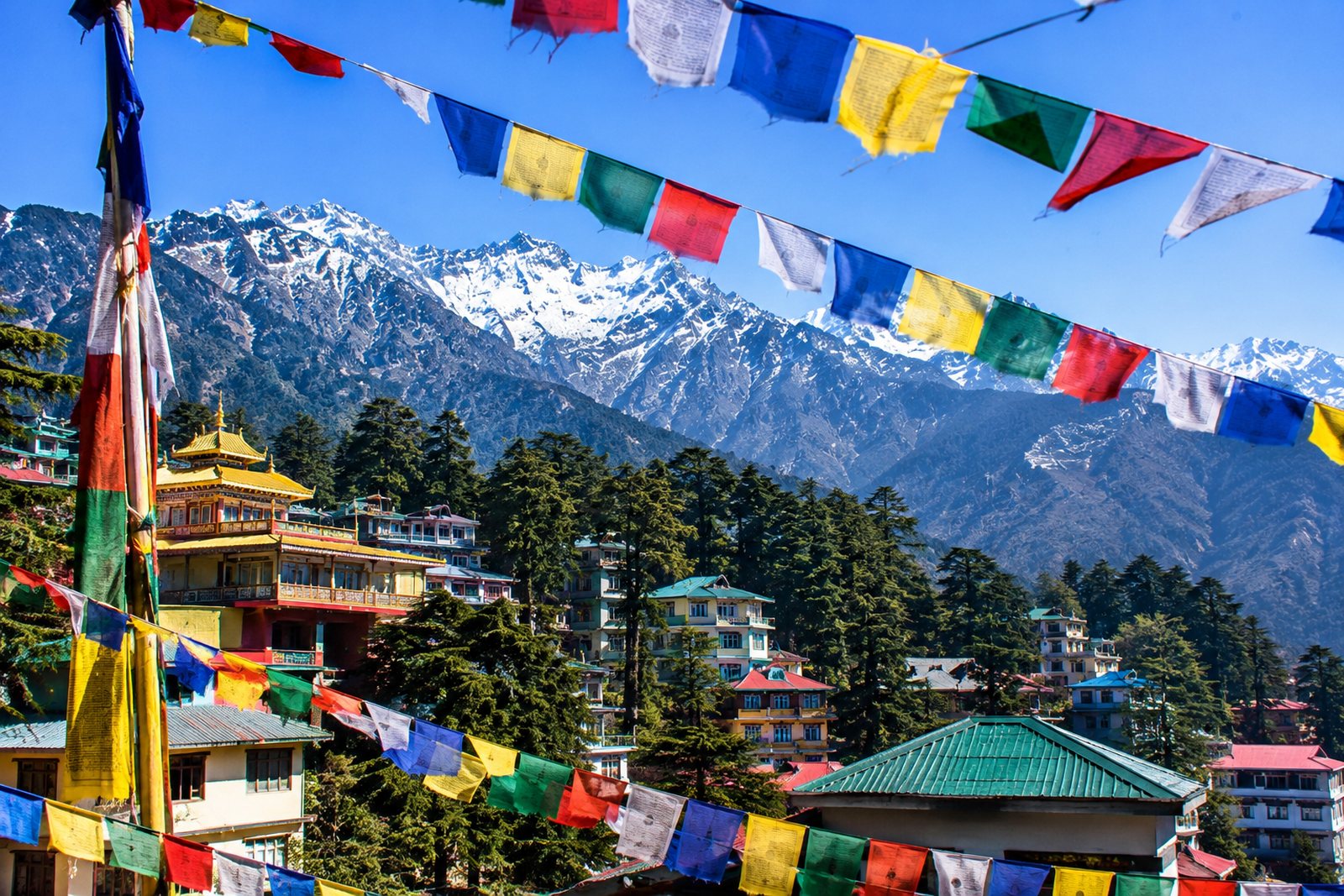
"Tashi Delek!" You will hear it a hundred times on the morning of Losar in McLeodganj. From the monk in maroon robes hurrying up Temple Road, from the grandmother in a dark chupa spinning a prayer wheel, from the boy at the momo stall who has clearly been told to be polite to tourists today. It means something like good luck and blessings, and for the Tibetan community living in exile here, it is the greeting of the new year.
This is Losar in McLeodganj, Tibetan New Year in the hill town above Dharamshala. Here is what happens, when it falls, how to be a good guest, and how to plan a trip around it.
What is Losar?
Losar is the start of the Tibetan lunar year. Because it follows the lunar calendar, it moves every year and usually falls in February or early March, often close to the Chinese and Mongolian new year but not always on the same day. Check the date for the year before you book.
In McLeodganj, home to the Dalai Lama's residence and the Tibetan government in exile, Losar is a family festival first and a public one second. The main celebrations stretch over the first few days of the year, and the preparations begin well before.
The days before: cleaning, khapse and guthuk
Walk through the lanes in the week before Losar and you can smell it. Hot oil. Every Tibetan kitchen is frying khapse, crisp pastries twisted into knots, ears and loops, stacked high on plates for visitors and altars.
Homes are scrubbed top to bottom to sweep out the old year's bad luck. On the second-last night of the year, families eat guthuk, a noodle soup with dough balls in it. Some of the dough balls hide little objects, chilli, salt, wool, a piece of paper. Whatever you find in yours is read, with a lot of laughter, as a comment on your character. Find chilli and the whole table decides you have a sharp tongue.
On altars, you will see offerings shaped from barley flour and butter, sometimes painted in bright colours, alongside bowls of water, fruit, khapse and a decorated box of barley and roasted flour with stalks of grain standing in it, a wish for a good harvest.
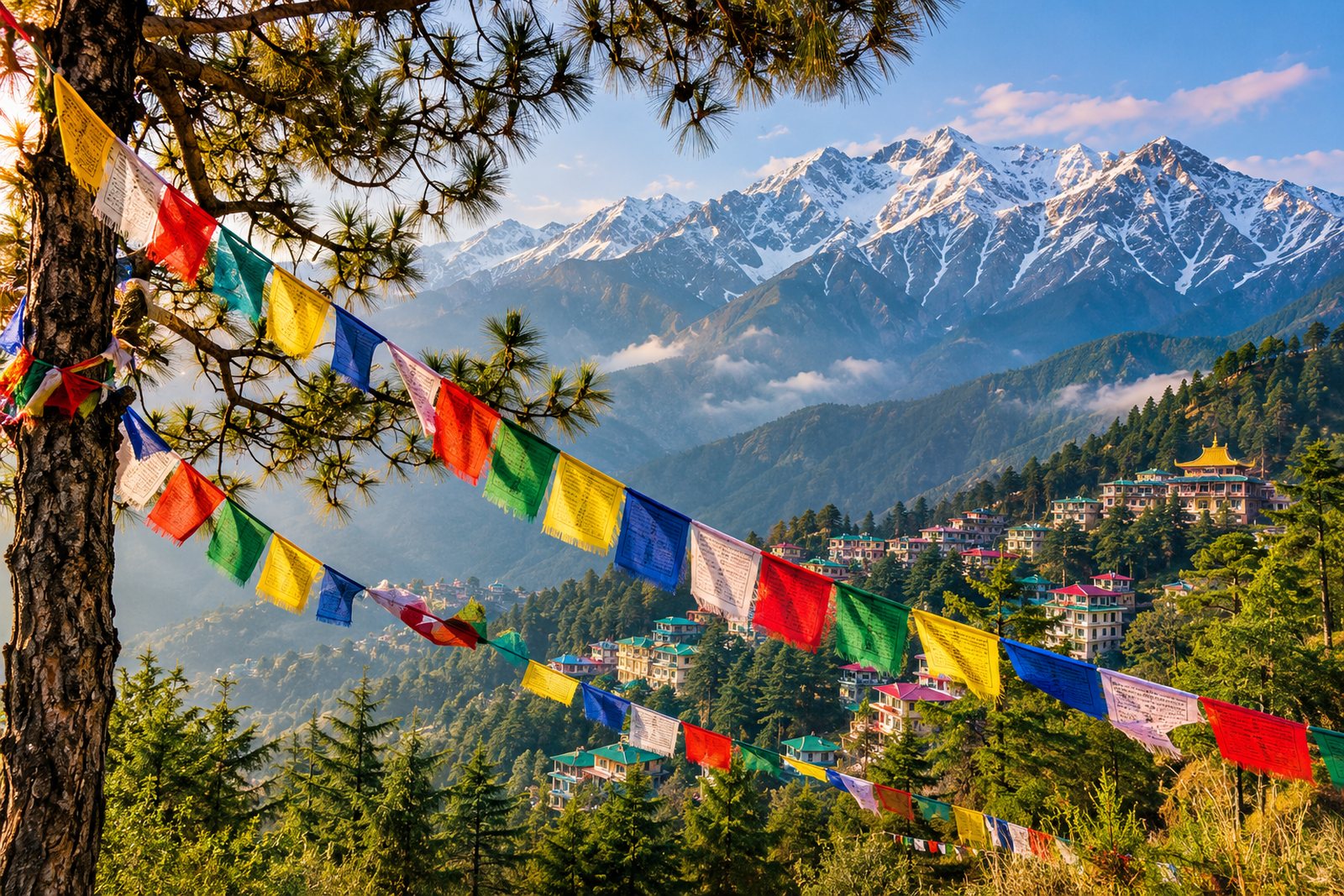
Did you know? Prayer flags are often replaced around Losar. The old faded ones come down and fresh blue, white, red, green and yellow flags go up on rooftops and ridges, so that the new prayers ride the wind with the new year.
Losar morning in McLeodganj
The first day is for family. People wake early, offer prayers at home, visit the main temple complex near the Dalai Lama's residence, and walk the kora, the circuit path around it, spinning the prayer wheels. Everyone is dressed in their best. Older women wear striped aprons over their chupas, a sign of married life.
Then the visits begin. Relatives and neighbours drop in, khapse is passed around, butter tea and sweet tea are poured endlessly, and some households serve chang, a home-brewed barley drink, to adults.
On the following days there are monastery prayers, and in many years cultural programmes, traditional dance and community gatherings. Whether there are public teachings or programmes in a particular year depends on the community calendar. In some years Losar is kept quiet and low-key by choice. So come for the atmosphere, not for a fixed show.
How to be a respectful Losar visitor
- Greet people with "Tashi Delek". It is warmly received.
- Walk the kora around the temple clockwise, like everyone else.
- Ask before photographing people, monks or prayers inside temples.
- Dress modestly for temple visits and keep your voice low inside.
- Do not walk into private homes or family gatherings unless invited.
- If you are offered khapse or tea, accept with both hands. Refusing everything can feel cold.
Weather and what to pack in February
Losar comes in proper winter. Days can be sunny and pleasant on the terrace cafes, but evenings get cold fast, and snow on the Dhauladhar range behind the town is common. Pack thermals, a warm jacket, gloves and shoes with grip for steep, sometimes icy lanes. The Triund trek can have snow at this time of year; go only with a local guide and check conditions first.
Packages that fit a Losar trip
From Delhi, the McLeodganj Getaway from Delhi gives you three nights in Dharamshala with McLeodganj, Bhagsu, Naddi and a Triund day as per the package itinerary. Keep the McLeodganj day for Losar morning.
Coming from Punjab or Chandigarh? The McLeodganj Getaway from Chandigarh is the same three-night shape with an added Kangra Fort and Shakti Peeth day. If darshan is the main reason for the family trip, the Himachal Shaktipeeth Darshan covers the Kangra-side Devi temples along with McLeodganj. Nani gets her darshan, the kids get momos and prayer wheels. Everybody wins.
Crowds and booking
Losar does not bring huge tourist crowds the way summer does, but the town fills with Tibetans visiting family from other settlements, and the dates can overlap with weekends. Book rooms a few weeks ahead. Roads up from Dharamshala are narrow and parking is tight, so walk where you can.
Our tip: Spend the first morning simply sitting at the temple complex. Watch families arrive in their best clothes, listen to the prayer wheels creak, and let someone offer you a khapse. That is Losar, more than any programme.
A new year far from home
There is a quiet layer under all the frying and laughter. Many families celebrating here have never seen Tibet, or left it a long time ago. Losar in McLeodganj is a new year kept carefully, the old way, in borrowed hills. As a guest you are not watching a performance. You are being let into someone's home for a morning.
Read our Dharamshala trip plan or browse all Dharamshala holiday packages.
Frequently asked questions
When is Losar celebrated in McLeodganj?
Losar follows the Tibetan lunar calendar, so it moves every year. It usually falls in February or early March. Check the date for the year before booking.
What happens during Losar in McLeodganj?
Families clean homes, fry khapse, eat guthuk soup before the new year, visit the main temple and walk the kora, then spend the first days visiting relatives. Monastery prayers and cultural events may take place.
Can tourists join Losar celebrations?
Visitors can walk the kora, visit temples respectfully and enjoy the festive atmosphere. Family gatherings are private, so join only if invited.
Is it very cold in McLeodganj during Losar?
Yes, February is winter. Days can be sunny but nights are cold, and snow on the Dhauladhar range is common. Carry thermals and a warm jacket.
What does Tashi Delek mean?
It is the common Tibetan greeting meaning roughly good luck and blessings, used very widely during Losar.