Kodaikanal History: The American Missionaries Who Built It
Fever, heat and a hill in the Palanis. How American missionaries from Madurai turned Kodaikanal into a hill station, and how to see its old story today.
The plains of Madurai in summer are not kind. In the 1840s, before fans, before ice, before any cure for most fevers, they could be deadly. Among those who suffered were a group of American missionaries working in the Madurai region, watching colleagues and children fall ill season after season.
Somebody suggested the hills. Far above the heat, there was a plateau in the Palani range where the air was cool and the nights needed a blanket. In 1845 they went up and started building. That is where the town story of Kodaikanal begins. Here is the history, the man-made lake, the walk, the school, and how to see the old Kodai today.
Before the missionaries
Of course, nobody "discovered" these hills. Forest communities such as the Paliyan people had lived in the Palanis for a very long time, gathering honey, roots and forest produce. Villages on the lower slopes farmed and traded with the plains. The shola forests and grasslands on top were their landscape long before anyone wrote about them in English.
British surveyors had mapped parts of the range in the early 19th century. But it was the missionaries who decided to stay.
The first houses on the hill
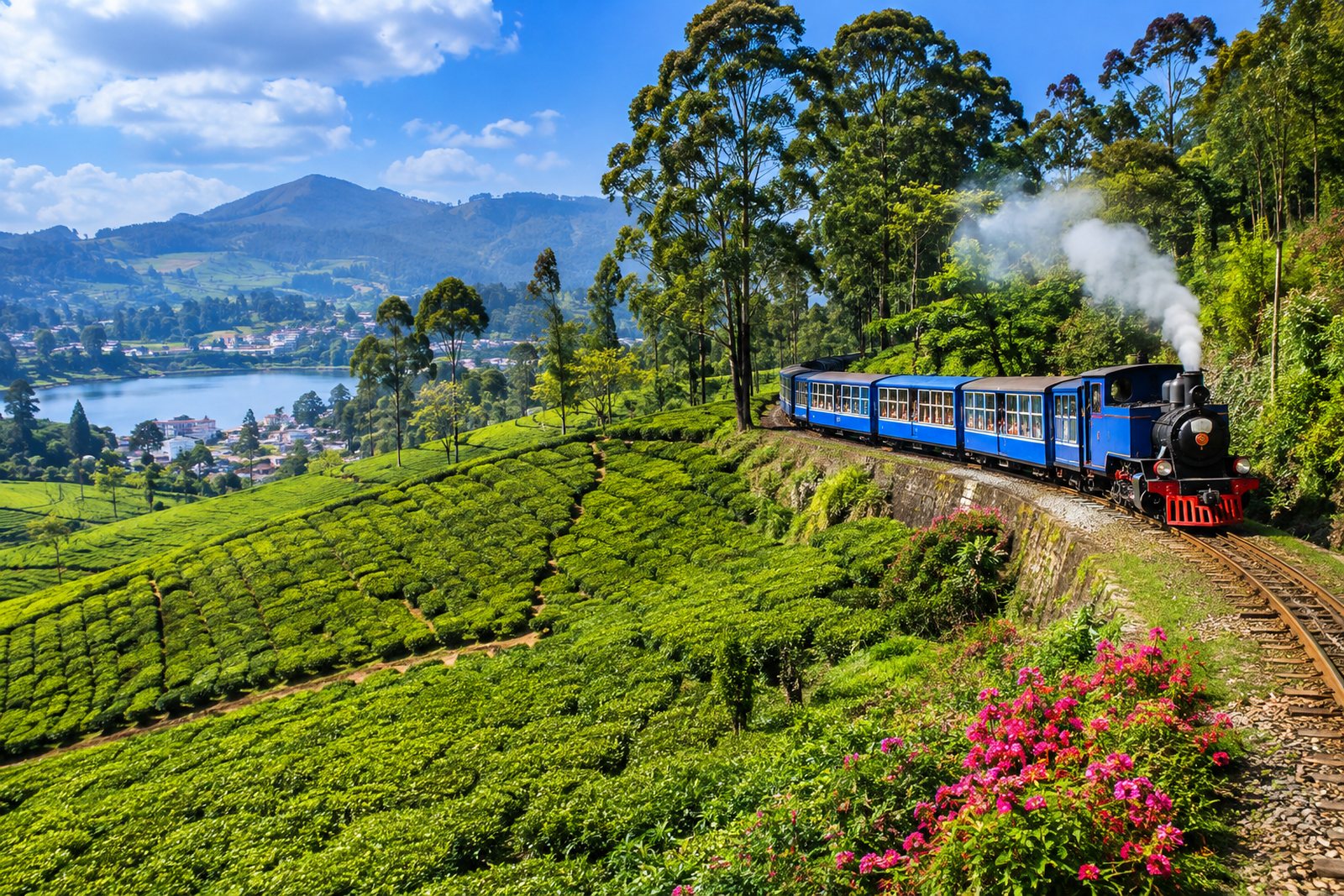
The American missionaries built a couple of simple bungalows at first, and soon others came up. Getting there was itself an adventure: a long climb on foot or by pony, with porters carrying luggage on narrow paths. There was no ghat road like the one you drive today.
They came for health. They stayed for the climate. Within a few decades, British officials, planters and families from the plains had followed, and the little settlement grew churches, cottages with sloping roofs, gardens full of plants brought from far away and a bazaar to supply it all.
A lake made by a collector
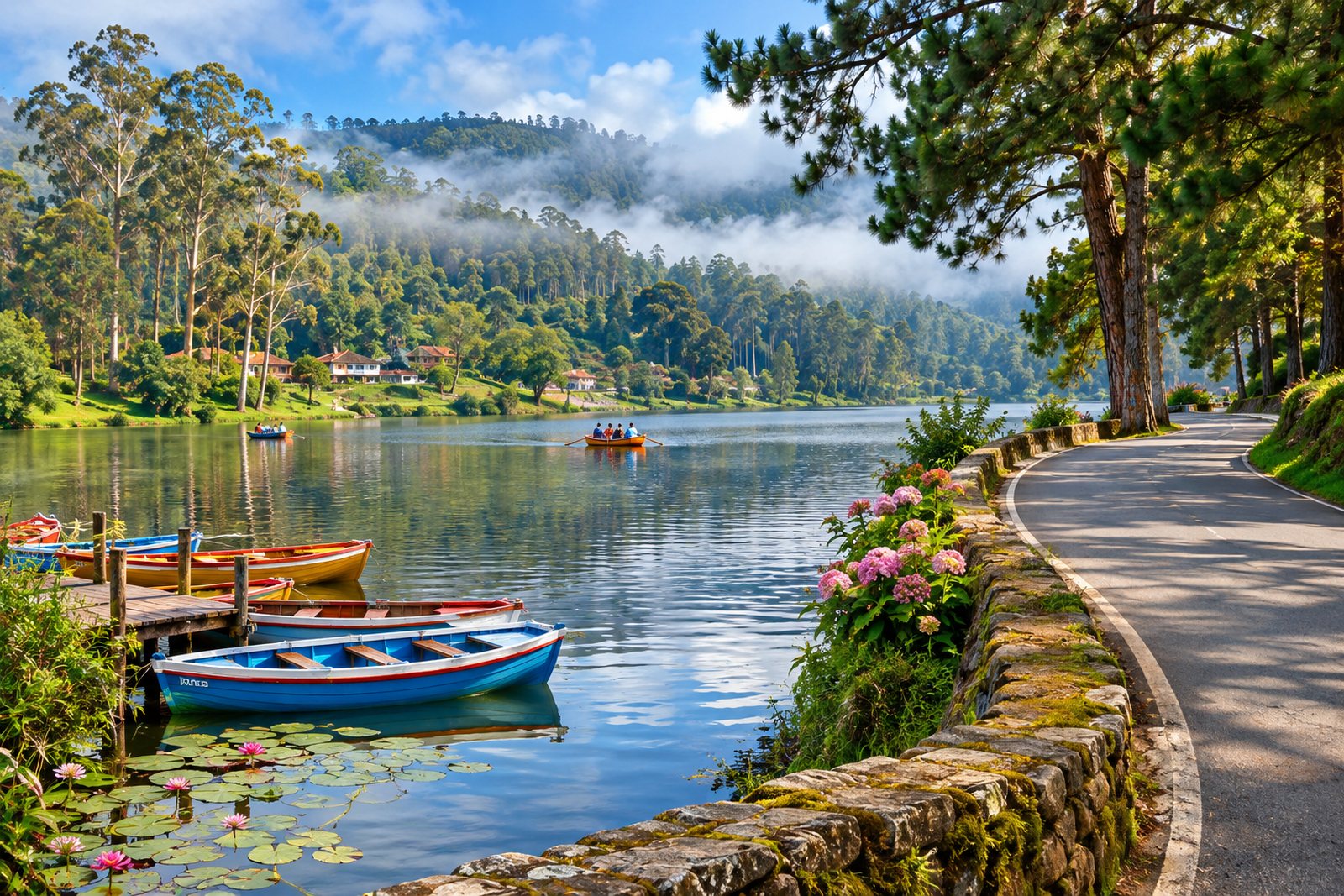
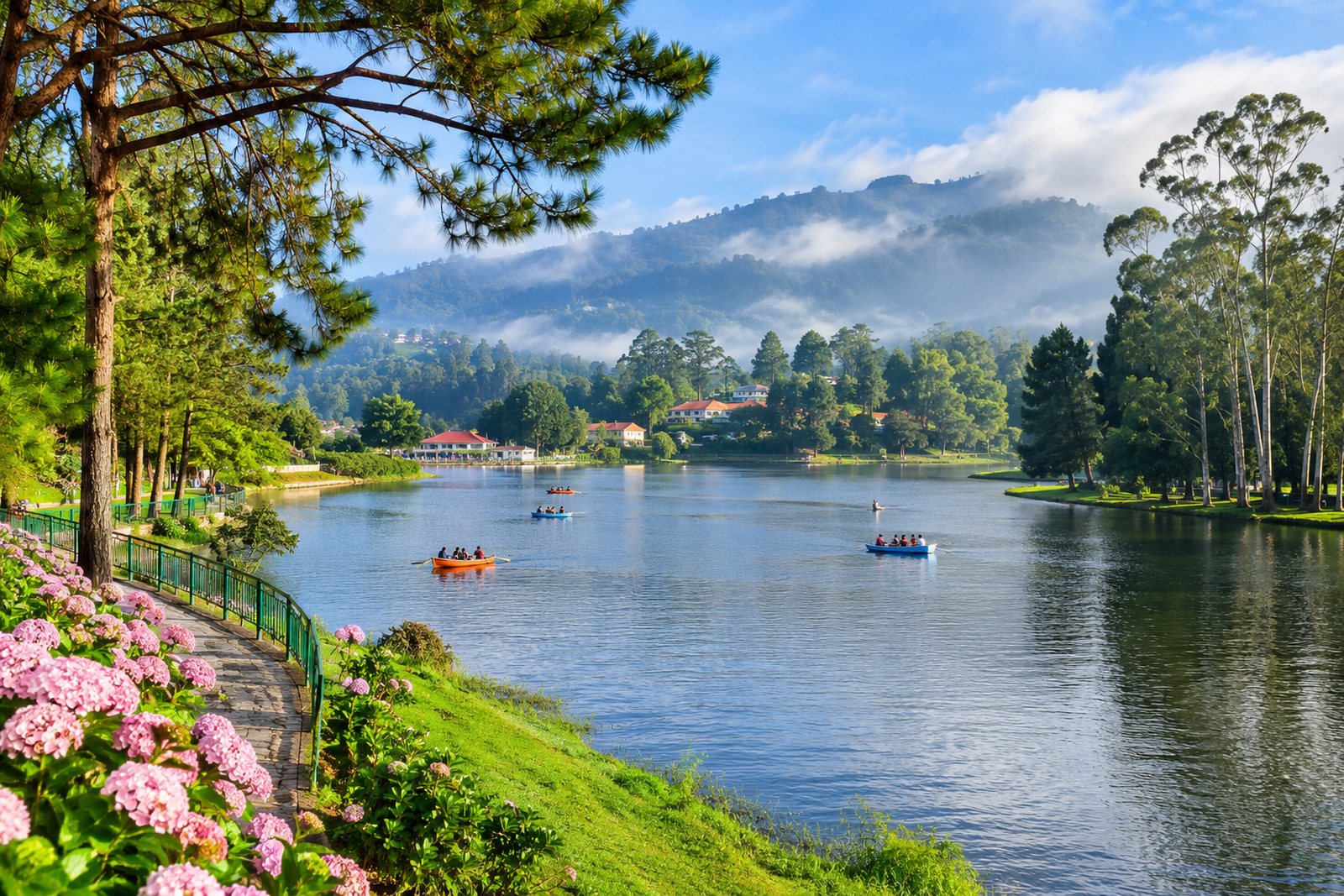
The lake that every Kodai photo has in it? It is man-made.
In the 1860s, Sir Vere Henry Levinge, a Collector of Madurai who had settled in Kodaikanal, had streams dammed to create a star-shaped lake in the middle of the town. Without him, the most famous view of Kodaikanal simply would not exist.
Did you know? The kurinji, a shrub of these hills, blooms in large numbers only about once every twelve years, turning whole slopes a pale blue-purple. There is even a Kurinji Andavar temple in Kodaikanal, dedicated to Murugan, named after the flower.
Coaker's Walk and the hill people's views
In the 1870s, a British officer, Lieutenant Coaker, laid out a path along the edge of a steep slope on the southern side of town. Coaker's Walk is still there, around a kilometre long, and on a clear morning you look down over the plains towards Periyakulam. On a misty one, you see nothing at all except white. Both are worth it.
Pillar Rocks, Guna Caves (now named for the Tamil film, though their official name is Devil's Kitchen), the pine forest and the drive out to Berijam Lake complete the classic circuit. Berijam is inside a forest area, so permissions and entry rules apply. Check locally.
The school that put Kodai on the world map
In 1901, a school was started here, mainly for the children of missionaries. It grew over the century into Kodaikanal International School, one of the oldest international schools in Asia. Generations of students from across the world have grown up on this hill, and that is part of why Kodai has a slightly different, cosmopolitan feel from other South Indian hill stations: bakeries, homemade chocolate shops, cycles and a habit of long walks.
BellaSafar's Kodaikanal Getaway starts from Madurai and gives two days in the hills, one for Kodai Lake, Coaker's Walk and Pillar Rocks, and one for Berijam Lake and the upper shola forest, as per the package itinerary. Ooty & Kodaikanal pairs it with the Nilgiris for a longer hill holiday.
How to visit Kodaikanal today
- Getting there: Madurai airport is roughly 115 to 120 km away, around three and a half to four hours by road. Kodai Road railway station is the nearest railhead.
- Best time: April to June for the summer break, and September to October for fewer crowds. Winter nights are cold.
- Road: The ghat road has many bends. Carry motion sickness tablets for children and elders.
- Weather: Mist can roll in within minutes. Keep a light jacket even in summer.
- Berijam and forest areas: Entry is controlled by the forest department, with days and timings that change. Check locally.
- Combine with: Madurai's Meenakshi temple before or after the hills.
Our tip: Rent a cycle or walk around the lake early in the morning, before the boat jetty opens and the traffic starts. That is when Kodaikanal looks closest to the quiet hill town the missionaries knew.
A hill town that kept its manners
Kodaikanal began because people were sick and tired of the heat. It grew because they liked it too much to leave. Even today, sitting on Coaker's Walk with a cup of tea while the mist decides what you are allowed to see, you get it.
Planning more hill time? Read our things to do in Kodaikanal or browse all Kodaikanal holiday packages.
Frequently asked questions
Who founded Kodaikanal?
Kodaikanal was developed as a hill station from 1845, when American missionaries working in the Madurai region built their first houses here to escape the heat and disease of the plains. British officials and planters followed.
Is Kodaikanal Lake natural or man-made?
It is man-made. Sir Vere Henry Levinge, a Collector of Madurai, had streams dammed in the 1860s to create the star-shaped lake.
When was Kodaikanal International School started?
The school began in 1901, originally to educate the children of missionaries, and later grew into the international school known today.
Who lived in Kodaikanal before the British?
The Palani hills were home to forest communities such as the Paliyan people, and farming villages on the lower slopes, long before missionaries and officials arrived.
What does Kodaikanal mean?
The name is usually explained as 'the gift of the forest' in Tamil, though some read it differently. There is no single agreed meaning.