Stone House Ooty: John Sullivan and the Making of a Hill Station
In 1822, a British collector built the first stone house in the Nilgiris. The story of John Sullivan, Stone House and how Ooty became a hill station.
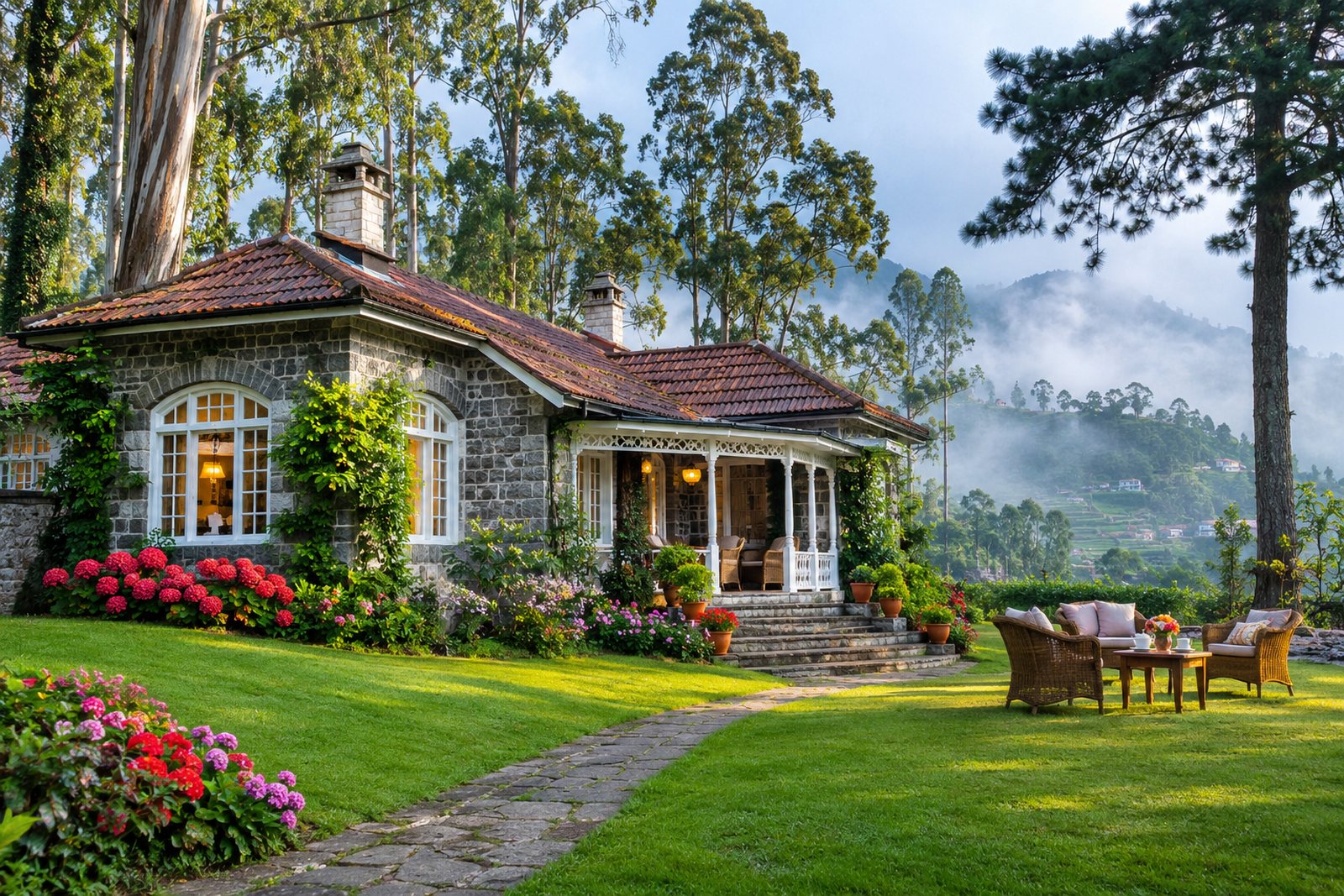
Before the toy train, before the boat house, before the first tray of homemade chocolate in a shop window on Charing Cross, there was a stone house on a hill. Grey walls, a sloping roof, a chimney for the cold nights, and a British officer who had fallen hard for the Nilgiris.
This is Stone House, built by John Sullivan in 1822, and it is where the story of Ooty as a hill station begins.
The Nilgiris before Ooty
The hills were not empty when the British arrived. The Todas grazed their buffaloes on these grassy slopes and lived in their distinctive barrel-roofed huts in small settlements called munds. The Badagas farmed the hillsides. The Kotas and Kurumbas had their own villages and skills.
The plains below knew the hills as cold, misty, hard to reach. Few outsiders climbed up. The name Ooty itself comes from Udhagamandalam, which locals still use.
A collector who climbed up
In the early 19th century, John Sullivan was the Collector of Coimbatore, the senior British official of the district. Around 1819, he led an expedition up into the Nilgiris. What he found was a climate that felt, to a homesick Englishman, almost like home. Cool air, rolling grassland, streams, frost on winter mornings.
He kept coming back. The climb was hard in those days, with no proper road and porters carrying supplies up through forest and steep slopes. Still, he returned again and again. And in 1822, he built himself a proper house of stone, the first European bungalow on the plateau. Locals called it Kal Bangla, the stone bungalow.
Building a hill station
Sullivan did not stop at a house. He pushed his superiors in Madras to see the Nilgiris as a place for officers to recover from the heat and illness of the plains.
In the 1820s, under his direction, streams in the valley were dammed to create Ooty Lake, the same lake where families now take paddle boats on summer afternoons. He encouraged farming of new crops on the slopes, and planted trees that changed the look of the hills.
Over the next decades, others followed. Roads came up the ghats. Churches, clubs, schools and bungalows were built. Ooty became the summer capital of the Madras Presidency, and every hot season the government quite literally moved up the hill.
Did you know? Sullivan's first base in the Nilgiris was near Kotagiri, and a memorial to him stands in that area today. Many visitors who come to Ooty never realise the hill-station story started a little further east.
Stone House today
Stone House still stands, now on the campus of the Government Arts College. It is an old building in a working college, not a museum with ticket counters, so how much you can see depends on the day and the college's rules.
Even from outside, it is worth the stop. Imagine the hillside bare around it, no traffic, no hotels, just grassland and mist, and one stone chimney sending up smoke.
What Sullivan's hill station became
The Ooty you visit today grew from those early decisions.
- Ooty Lake: boating, horse rides along the shore and a lot of corn on the cob.
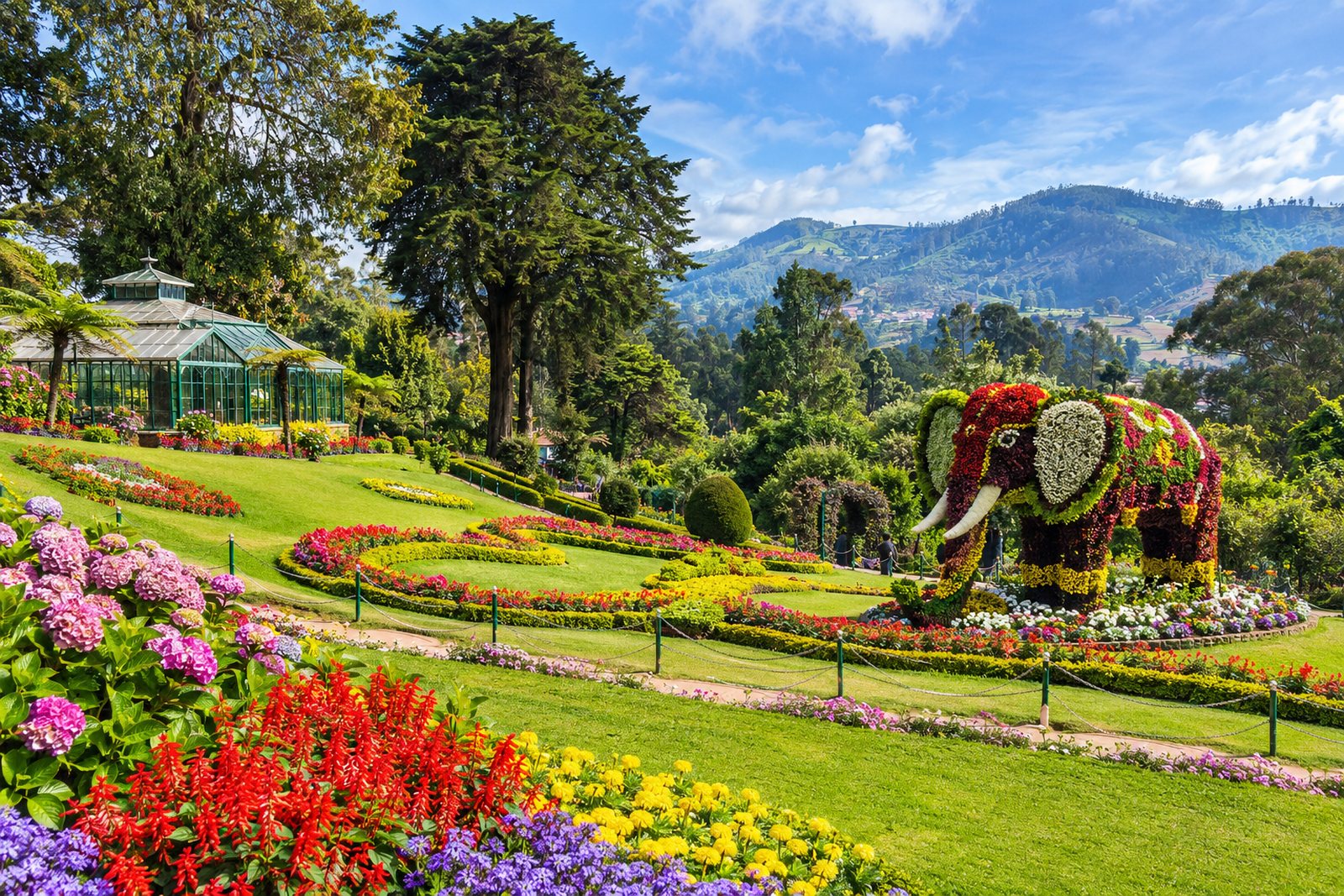
- Government Botanical Garden: laid out in the 19th century, with terraced lawns and old trees.
- Doddabetta: the highest peak in the Nilgiris, with views over the hills on a clear day.
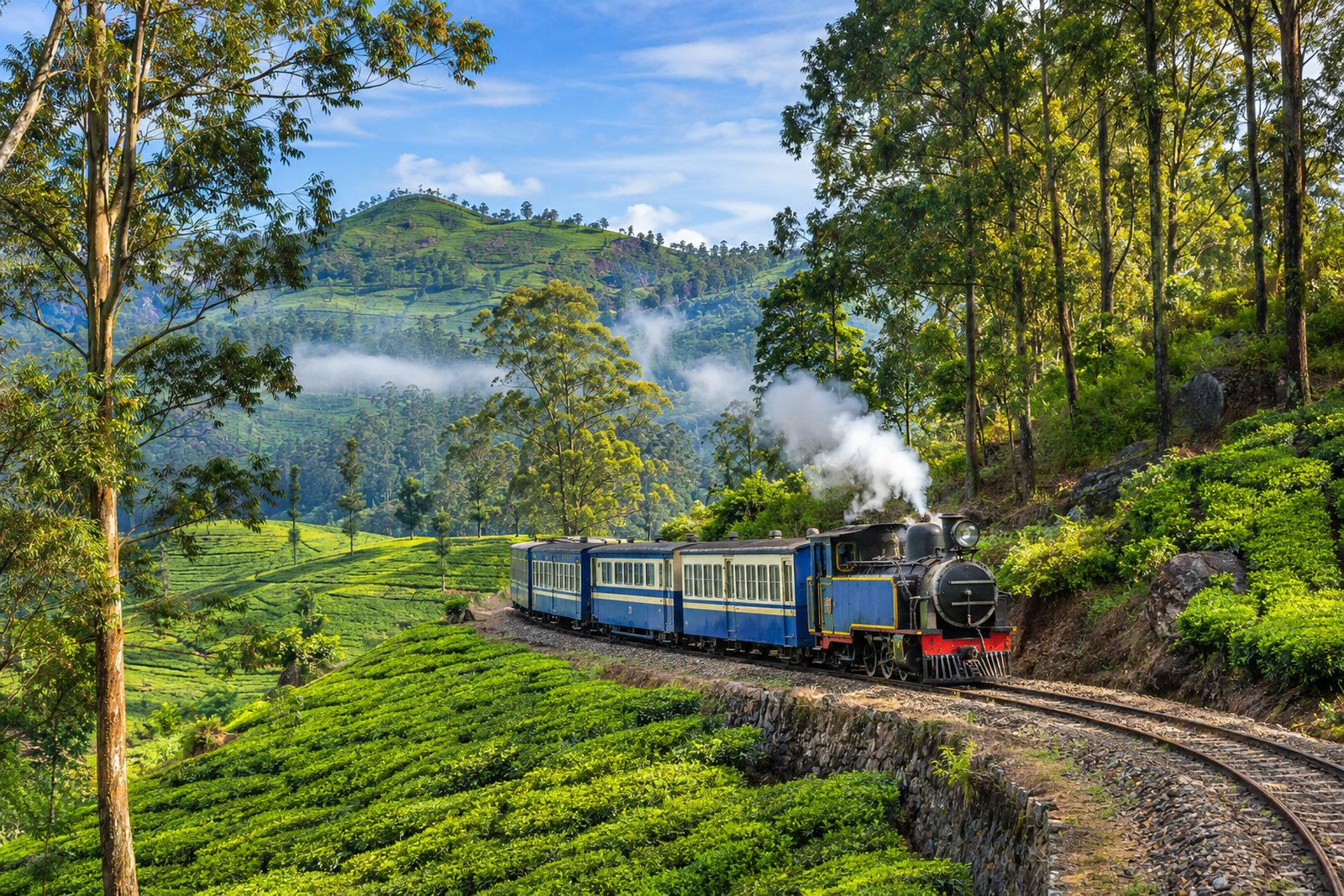
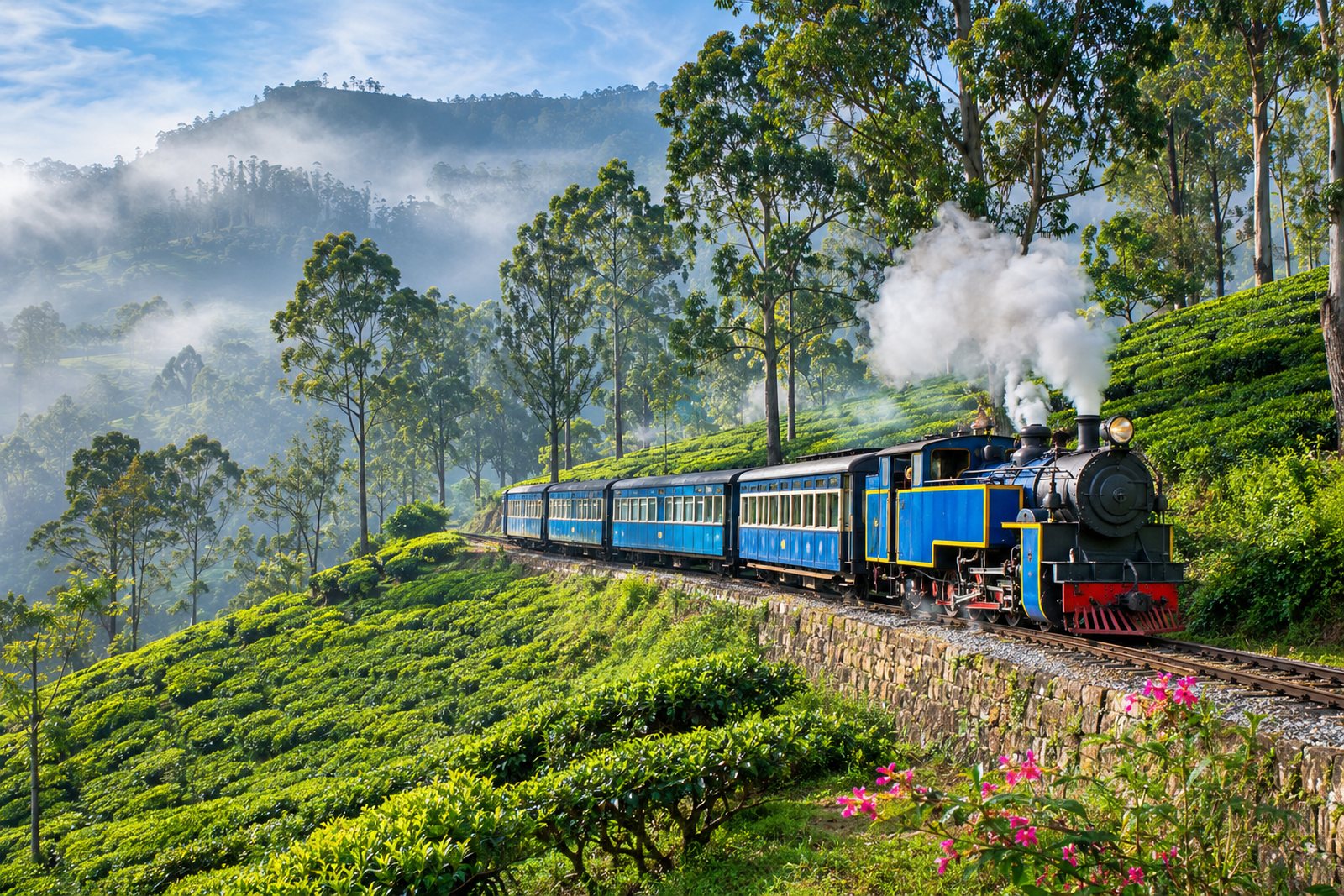
- Nilgiri Mountain Railway: the toy train, part of the UNESCO-listed Mountain Railways of India, climbing between Mettupalayam and Ooty.
- Toda settlements: visit respectfully and only with permission; this is someone's home, not a show.
Our Ooty Getaway is a two-night trip for the lake, the gardens and Doddabetta. Ooty & Coonoor adds the tea estates of Coonoor, and Ooty & Kodaikanal links two of South India's best-known hill stations, as per each package itinerary.
How to see Stone House and old Ooty
- Where: in Ooty town, on the Government Arts College campus. Ask your driver; most know it as Stone House.
- Access: depends on the college. Be polite, ask at the gate, and do not enter classrooms or offices.
- Best time: March to June for the classic summer escape, September to November for fewer crowds. Winter nights get properly cold.
- Clothes: carry a light jacket even in summer; evenings drop fast.
- Combine with: St Stephen's Church, the Botanical Garden and a toy train ride.
Our tip: Visit Stone House early in the morning, when mist still sits on the hills. It is the best way to picture what Sullivan saw.
One house, one hill station
It is strange to think that a whole hill station, with its traffic jams and summer rush, grew out of one man's homesickness and one stone house. Stand outside it for a few quiet minutes and you can almost hear the old Nilgiris before the crowds arrived.
Planning the hills? Read our things to do in Ooty guide or browse all Ooty holiday packages.
Frequently asked questions
Who was John Sullivan of Ooty?
John Sullivan was the British Collector of Coimbatore who explored the Nilgiris around 1819 and is credited with developing Ooty as a hill station.
When was Stone House in Ooty built?
Stone House was built in 1822 and is considered the first European-style bungalow in Ooty.
Where is Stone House in Ooty?
Stone House stands on the campus of the Government Arts College in Ooty. Access to the building depends on the college, so check locally.
Who made Ooty Lake?
Ooty Lake is an artificial lake created in the 1820s under John Sullivan by damming streams flowing down the valley.
Who lived in the Nilgiris before Ooty became a hill station?
The Nilgiris were home to communities such as the Todas, Badagas, Kotas and Kurumbas long before the British arrived. The Todas still live in their traditional settlements, called munds.