Pahalgam Sightseeing: Aru, Betaab and Chandanwari Valleys
Union taxis, three valleys, three moods: a friendly Pahalgam sightseeing guide to Betaab's meadow, Chandanwari's snow and quiet Aru, with a two-day plan.
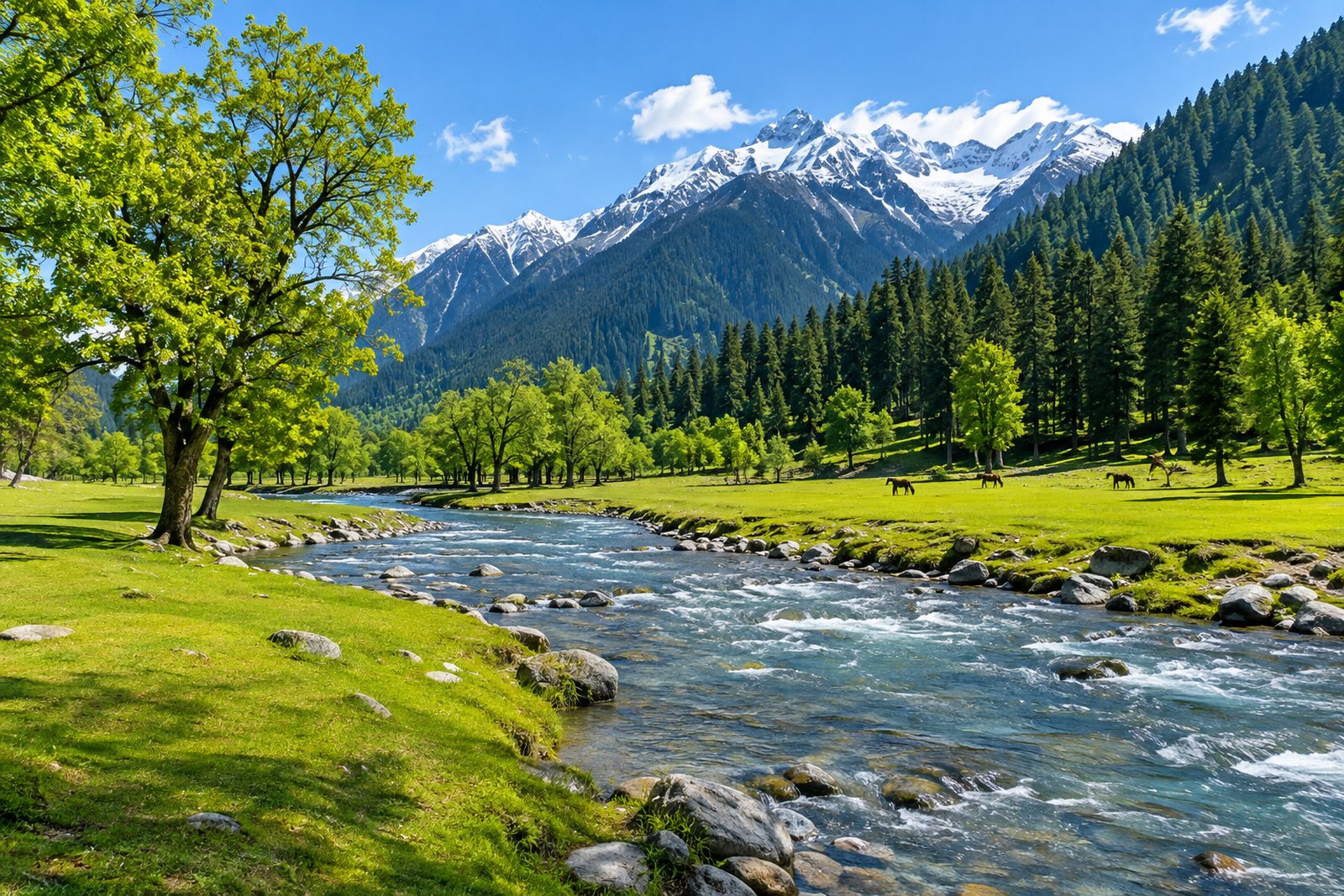
The Lidder is loud. Nobody warns you about that. You check in, open the window expecting mountain silence, and instead there is a cold, grey-green river crashing over boulders right below the road, all night, like a pressure cooker that never stops whistling. By the second morning you stop hearing it. By the time you leave, you miss it.
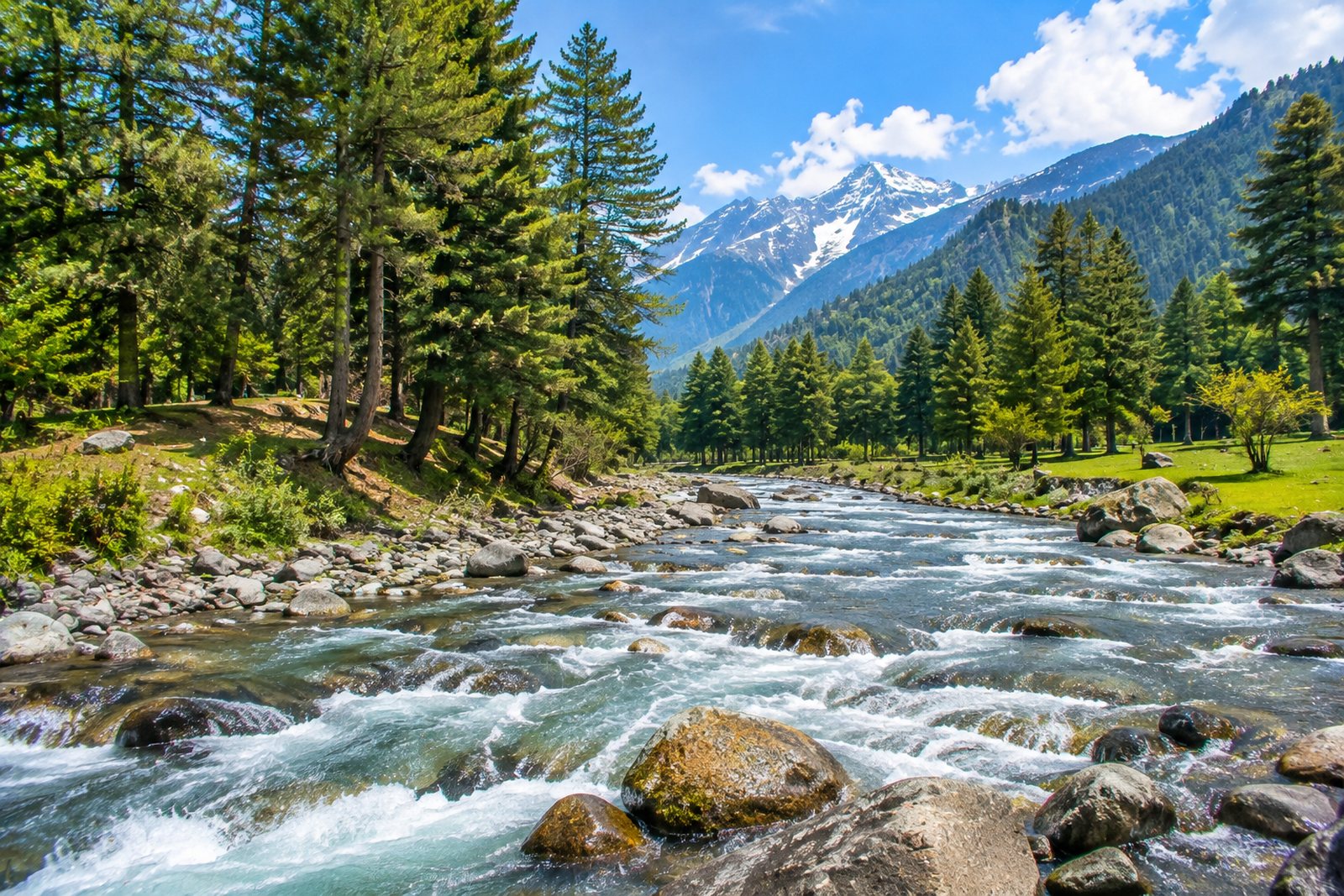
That river is the thread that ties Pahalgam sightseeing together. Two of the three famous valleys, Betaab and Chandanwari, sit up one arm of it, and Aru sits up the other. Here is how the local taxi system works, what each valley actually feels like, and how to see all three without turning your holiday into a checklist.
How Pahalgam sightseeing works: the union taxi system
First, the thing that surprises most families. The car that brought you from Srinagar or Jammu usually does not take you to the valleys. Pahalgam has a local taxi union, and trips to Aru, Betaab and Chandanwari are generally done in their cabs, booked at the taxi stand near the main market. Your own driver parks, has his kahwa and waits for you.
It feels like an extra step, and it is. But the man driving you up those narrow roads does it every single day. He knows where the snow still sits on the road in May and which stretch gets slushy after rain. Rates are fixed by the union, so ask at the counter before you sit: is it per valley or a combined round, and how long will the cab wait at each point? Rules and rates change from season to season, so treat whatever you heard from a cousin last year as old news.
Betaab Valley: the meadow from the film
Betaab Valley takes its name from Betaab, the 1983 Hindi film with Sunny Deol and Amrita Singh that was shot here. Every second uncle in your group will hum a song from it on the way. Let him.
It is the most "finished" of the three. A wide, flat meadow, the Lidder stream running clear and fast through it, pine slopes on both sides and snow peaks at the back. There are paths, little wooden bridges and fencing, and an entry ticket at the gate. Because the ground is flat, it is the best valley for grandparents and small children. Nani can sit on a bench in the sun while the kids run up and down the stream bank.
Go in the morning, when the light comes over the ridge and the grass still has dew on it. By afternoon the picnic crowd arrives.
Chandanwari: where the snow waits for you
Keep going up the same road and you reach Chandanwari. This is where many first-timers touch snow for the first time, even in summer, because snow often lingers in the shaded gully well after it has melted in town.
Chandanwari is also where the Amarnath Yatra trek route begins, heading up towards Sheshnag. During the yatra season, usually in the monsoon months, the area is busy with yatris and security arrangements, and tourist access can be restricted. Check locally before planning a Chandanwari day in July or August.
The rest of the year it is a snow playground. Locals rent out gumboots and pull children on wooden sledges. Agree the price before the ride, not after. And keep your feet dry; wet socks at that height make a long, cold drive back.
Aru Valley: the quiet one
Aru is in the other direction, up a separate road, and it has a different mood altogether. Fewer fences, more village. Wooden houses, horses grazing, shepherd families of the Gujjar and Bakarwal communities moving their flocks in summer, and long green slopes going up into the forest.
It is also a base for serious treks in the region, so you will see people with big rucksacks heading off to camps. For a family, Aru is a walking valley. Stroll along the stream, take a short pony ride if you like, sit with a cup of noon chai, the pink salt tea, and do nothing for an hour. Honestly, that is the point.
Did you know? Pahalgam is popularly said to mean "village of shepherds", and in summer you can still see why, with flocks moving up to high pastures along the same slopes the taxis climb.
What about Baisaran and the pony rides?
Baisaran, the meadow above town often called "Mini Switzerland", is usually reached on pony back. Access to some meadows and trails is decided by local authorities and can change, so ask your hotel or driver what is open when you arrive. If it is, settle the pony rate at the official counter, and check that the pony handler walks alongside a child or senior rider.
A two-day plan for Pahalgam
- Day one, morning: Betaab Valley, then on to Chandanwari for snow. Back for a late lunch.
- Day one, evening: A slow walk along the Lidder and the market. Warm clothes, even in June.
- Day two, morning: Aru Valley, with time to just sit.
- Day two, afternoon: Baisaran by pony if open, or rest.
- Best season: April to June for green meadows with leftover snow; September and October for golden colours and clear skies. Winter brings deep snow, and roads to the valleys may close.
Our tip: Carry cash in small notes for the union taxi, ponies and kahwa. Network can be patchy up the valleys, and UPI does not always go through.
What to pack for the valleys
- A proper jacket, even in summer. Mornings and evenings are cold.
- Waterproof shoes or gumboots for Chandanwari.
- Sunscreen and dark glasses; the sun on snow is sharp.
- Basic medicines and a light snack for the kids.
On Kashmir with Pahalgam Stay you spend two nights in Pahalgam between Srinagar stays, with a Gulmarg excursion, as per the package itinerary. Coming via Katra? Vaishno Devi & Kashmir Grand adds Mata's darshan before the valley. And Kashmir Valley Explorer from Jammu starts with Pahalgam straight away and then moves to Srinagar for Gulmarg and Sonamarg.
The valleys get the photos. But what most people take home from Pahalgam is smaller: a cup of kahwa going cold in their hands while the river carries on, loud as ever.
For the full Srinagar, Gulmarg and Pahalgam picture, read our Kashmir tour plan, or browse all Pahalgam holiday packages.
Frequently asked questions
Can I take my own car to Betaab Valley and Aru?
Usually not. Sightseeing to Aru, Betaab and Chandanwari is generally done in Pahalgam's local union taxis, booked at the taxi stand. Check current rules locally.
Which is better, Aru or Betaab Valley?
Betaab is a flat, maintained meadow that suits seniors and kids. Aru is quieter and more village-like, better for slow walks and pony rides.
Is there snow at Chandanwari in summer?
Snow often lingers at Chandanwari into early summer, but it depends on the year's snowfall. Ask locally before you go.
How many days are enough for Pahalgam sightseeing?
Two full days cover Betaab, Chandanwari, Aru and Baisaran (if open) at a relaxed pace.
What is the best time to visit Pahalgam?
April to June for green meadows and leftover snow, and September to October for clear skies. Winter is snowy and some valley roads may close.