Vaishno Devi for Senior Citizens: Ponies, Palkis, Helicopter
Taking parents to Vaishno Devi? How ponies, palkis, battery cars, the helicopter and the Bhairon ropeway fit in, plus a gentle day plan and packing list.
"Mata ne bulaya hai, toh chadh hi jayenge." Many of us have heard a parent say this with total confidence, usually a week before the trip, usually with a knee brace still in the drawer. Faith carries people up Trikuta mountain every day. A good plan makes sure it carries them back down comfortably too.
This guide on Vaishno Devi for senior citizens is for sons, daughters and grandchildren planning the yatra with elders: which way up suits which parent, how ponies, palkis, battery cars and the helicopter fit in, and how to pace the days so darshan feels like a blessing rather than an endurance test.
First, understand the climb
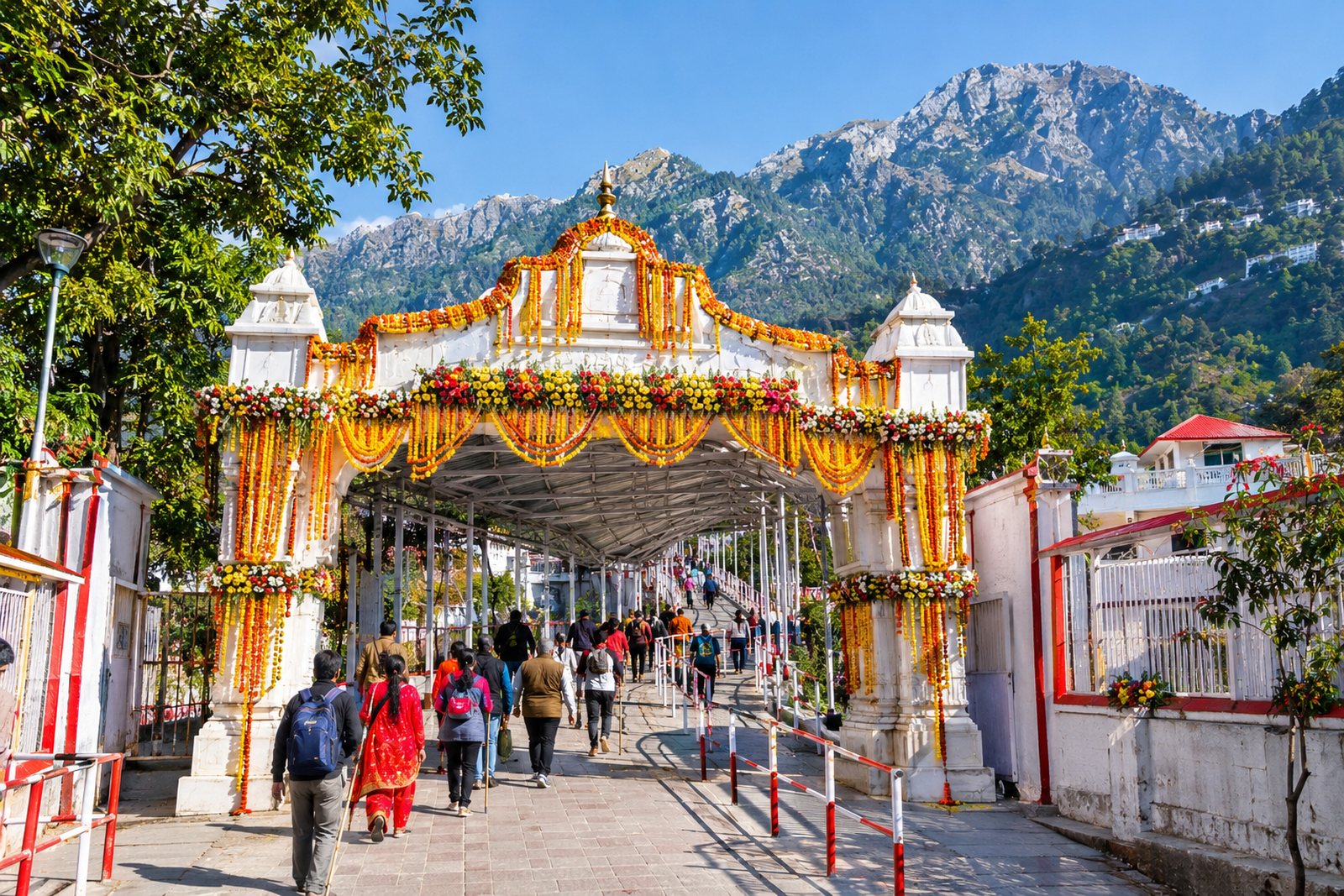
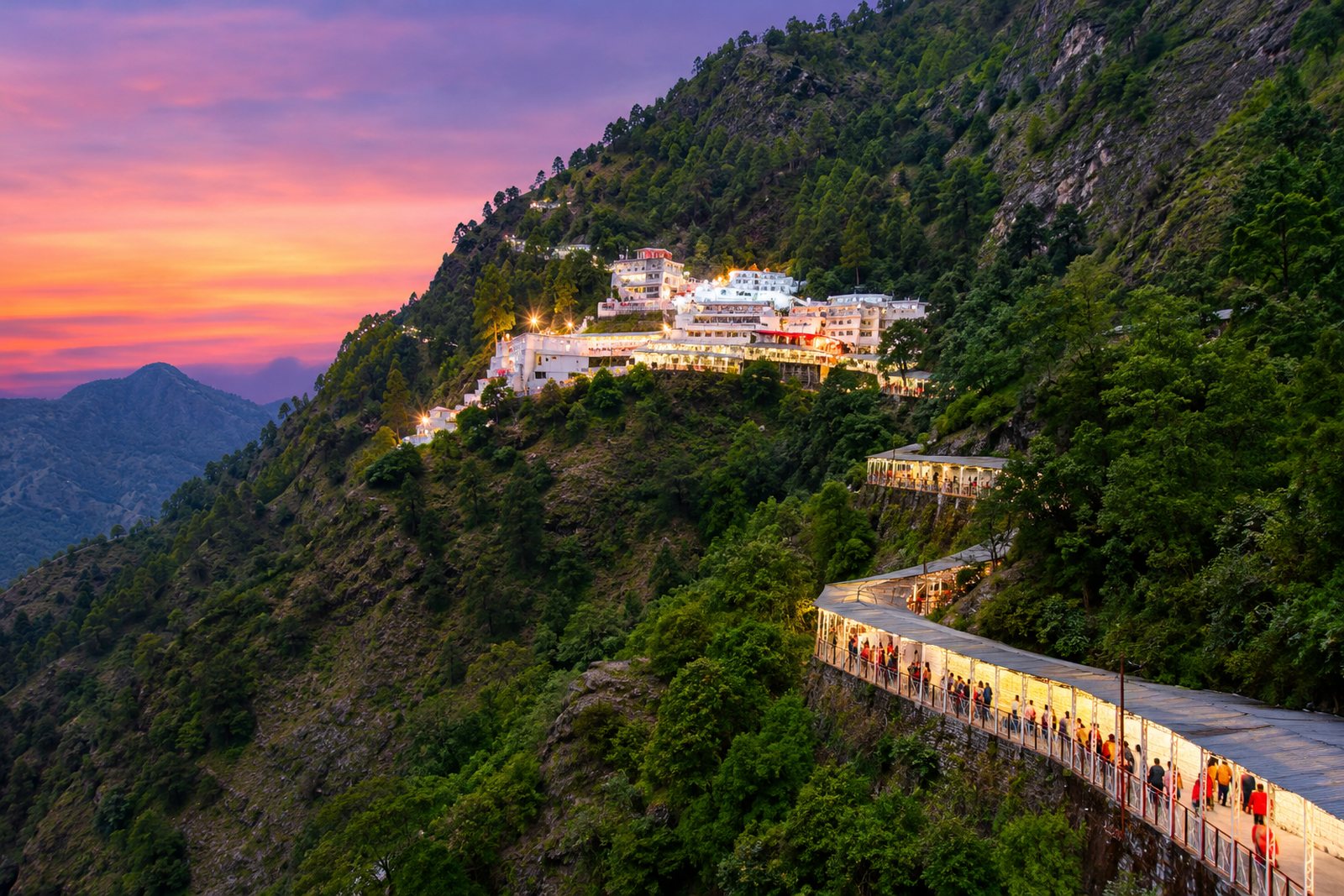
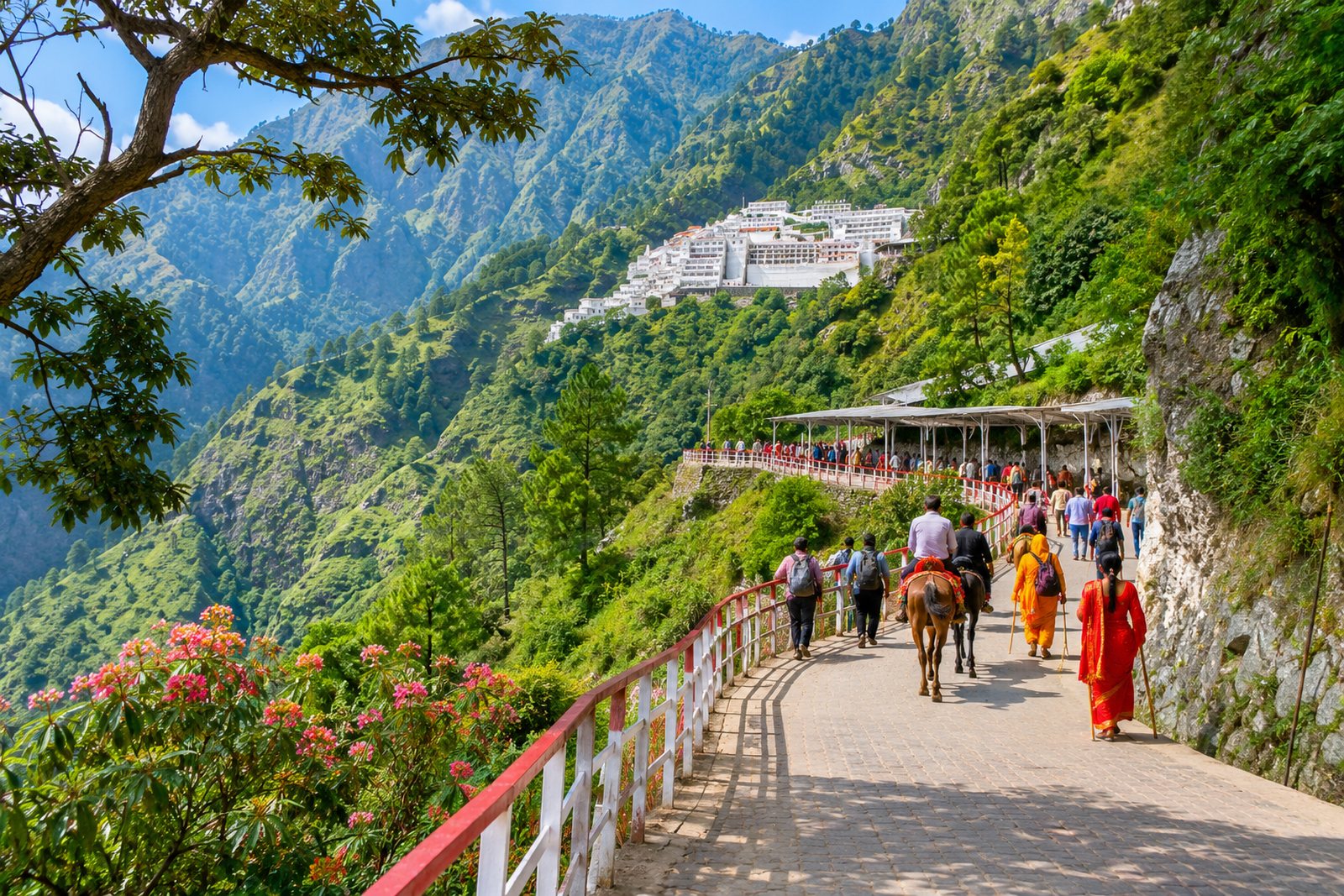
The walk from Katra to the Bhawan, where the holy cave and the three pindis are, is roughly 12 to 13 km one way, climbing steadily to a little above 5,000 feet. The path is paved and covered in many stretches, with shelters, water points, food stalls, toilets and medical aid posts along the way. In normal times the track stays open through the night, and many families walk in the cool hours.
For a fit young person it is a long but manageable day. For a 70-year-old with blood pressure, sugar or knee trouble, walking both ways is usually too much. The good news: walking is only one of several ways to do this yatra.
Registration comes first
Every yatri needs to register with the Shri Mata Vaishno Devi Shrine Board and carry the yatra card or slip issued for the journey. You can register online in advance or at the counters in Katra. Carry original photo ID for every family member, including elders. Rules, card formats and checkpoints change from time to time, so check the shrine board's official website before you go.
Your options for parents, one by one
Ponies
Ponies are the most common choice for elders. Riders sit upright while a handler walks alongside. Use only registered pony operators, confirm the officially displayed rate before you start, and make sure your parent is comfortable getting on and off. Ponies are not ideal for people with back problems or those who fear heights, since some stretches have steep drops on one side.
Palkis
A palki is a seat carried by a team of four bearers. It is slower but steadier, and it is often the best choice for very elderly parents or anyone who cannot sit on a pony. It is physically hard work for the bearers, so plan rests and be kind.
Pithus
Pithus carry small children or luggage on their backs. For a family travelling with elders, hiring one for bags means everyone else walks lighter.
Battery cars
The shrine board runs battery cars on part of the newer track, mainly for senior citizens and differently-abled yatris. They cover a stretch of the route, not the full climb from Katra. Seats are limited and availability, booking method and eligibility can change, so check with the shrine board before counting on them.
Helicopter
Helicopters fly from Katra to Sanjichhat, near the top of the route. From there it is still a walk of a couple of kilometres to the Bhawan, though the gradient is much easier than the climb from Katra, and ponies or palkis are usually available. Tickets are booked through the shrine board's official channel only, flights depend on weather, and seats sell out in peak season. Treat any "guaranteed helicopter ticket" offer from strangers with suspicion.
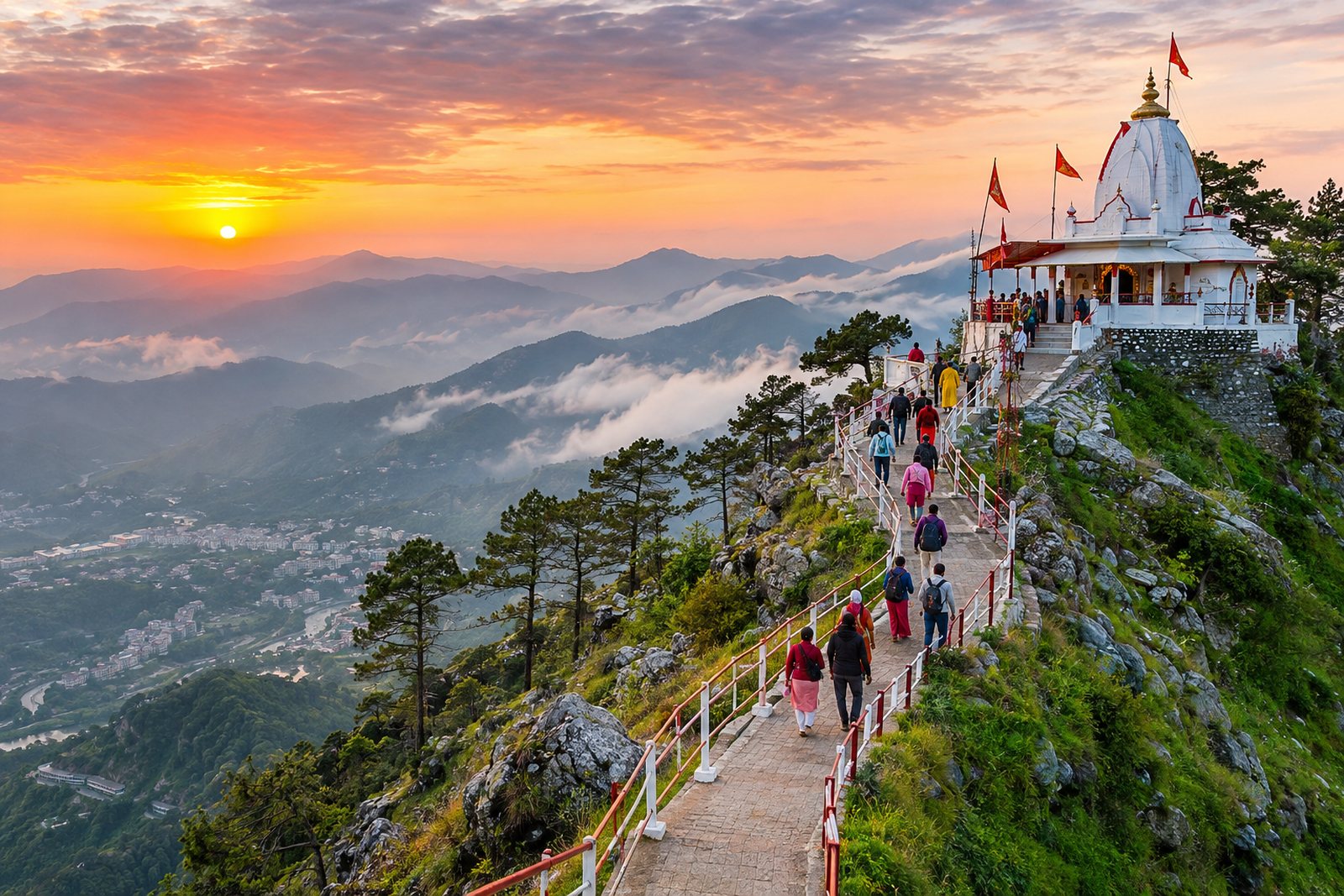
Did you know? The ropeway from the Bhawan up to the Bhairon temple has made that last climb far easier for elders. According to tradition, the yatra is considered complete only after visiting Bhairon Baba, and before the ropeway this steep stretch was where many tired parents had to give up.
A sensible plan for parents
- Day one: reach Katra, rest, register, and keep the evening free
- Start early the next morning (or late at night if your parents prefer cool air) with ponies or palkis booked for them; younger family members can walk alongside
- Take a proper break at Ardhkuwari, the halfway point with its own cave shrine; queues there vary, so decide on the spot
- Do darshan at the Bhawan, rest, eat, then take the ropeway to Bhairon if energy allows
- Come down slowly; the descent hurts knees more than the climb, so ponies down are often a better idea than ponies up
- Keep the next day light, with only short sightseeing around Katra
What to pack for elders
- All regular medicines for the full trip, plus a note of doctor's details
- Comfortable walking shoes with good grip, already worn in
- A warm layer even in summer for the Bhawan area at night, and heavy woollens in winter
- A light rain jacket during the monsoon months
- ORS sachets, dry fruits, glucose biscuits and a small water bottle
- A small bag for prasad and a cloth bag for shoes
Our tip: Before booking anything, ask your parents' doctor one simple question: "Can they handle several hours at moderate altitude with some exertion?" If the answer is hesitant, plan for the helicopter or a palki from the start instead of deciding halfway up.
Best time for seniors
Spring and autumn, roughly March to June and September to November, are generally the most comfortable. Navratri months see huge crowds; winters bring cold nights and occasional snow near the Bhawan; the monsoon can make the path slippery and ground helicopter flights. Whatever you pick, check the shrine board's updates on weather and crowd before you leave Katra.
The Vaishno Devi Darshan Plus keeps you in Katra for three nights with local sightseeing and Shiv Khori as per the package itinerary, which leaves a spare day for rest around the yatra. The four-night Vaishno Devi Darshan Grand adds Patnitop, and the Vaishno Devi Shiv Khori Patnitop Yatra covers the same circuit over four nights. Shiv Khori also involves a walk to the cave, so ask us about ponies there and skip it if your parents are tired.
A last word
Parents rarely complain on a yatra. They will say "theek hai, chal lenge" right up to the point where they cannot. The kindest thing you can do is make those decisions early, book the help they need, and let them spend their energy where it matters: those few seconds in front of Mata's pindis, with the whole family saying "Jai Mata Di" together.
Read our Vaishno Devi yatra guide or browse all Katra holiday packages.
Frequently asked questions
Can senior citizens do the Vaishno Devi yatra?
Yes. Many seniors complete the yatra using ponies, palkis, battery cars on part of the route or the helicopter to Sanjichhat. Check with a doctor first if they have heart, breathing or joint problems.
Is there a battery car for senior citizens at Vaishno Devi?
The shrine board runs battery cars on part of the newer track, mainly for senior citizens and differently-abled yatris. Seats are limited, so check the current booking rules with the shrine board.
How far is the Bhawan from the helicopter pad at Sanjichhat?
From Sanjichhat it is a walk of a couple of kilometres to the Bhawan on a gentler gradient, and ponies or palkis are usually available.
Is registration compulsory for Vaishno Devi?
Yes. Every yatri must register with the Shri Mata Vaishno Devi Shrine Board and carry the yatra card or slip, along with original photo ID.
What is the best time to visit Vaishno Devi with elderly parents?
March to June and September to November are generally comfortable. Navratri is very crowded, winters are cold and the monsoon can make the path slippery.