Things to Do in Coorg: Abbey Falls, Dubare and Coffee Estates
Elephants bathing at Dubare, a coffee estate walk in the morning mist and Raja's Seat at sunset. A day-by-day guide to things to do in Coorg.
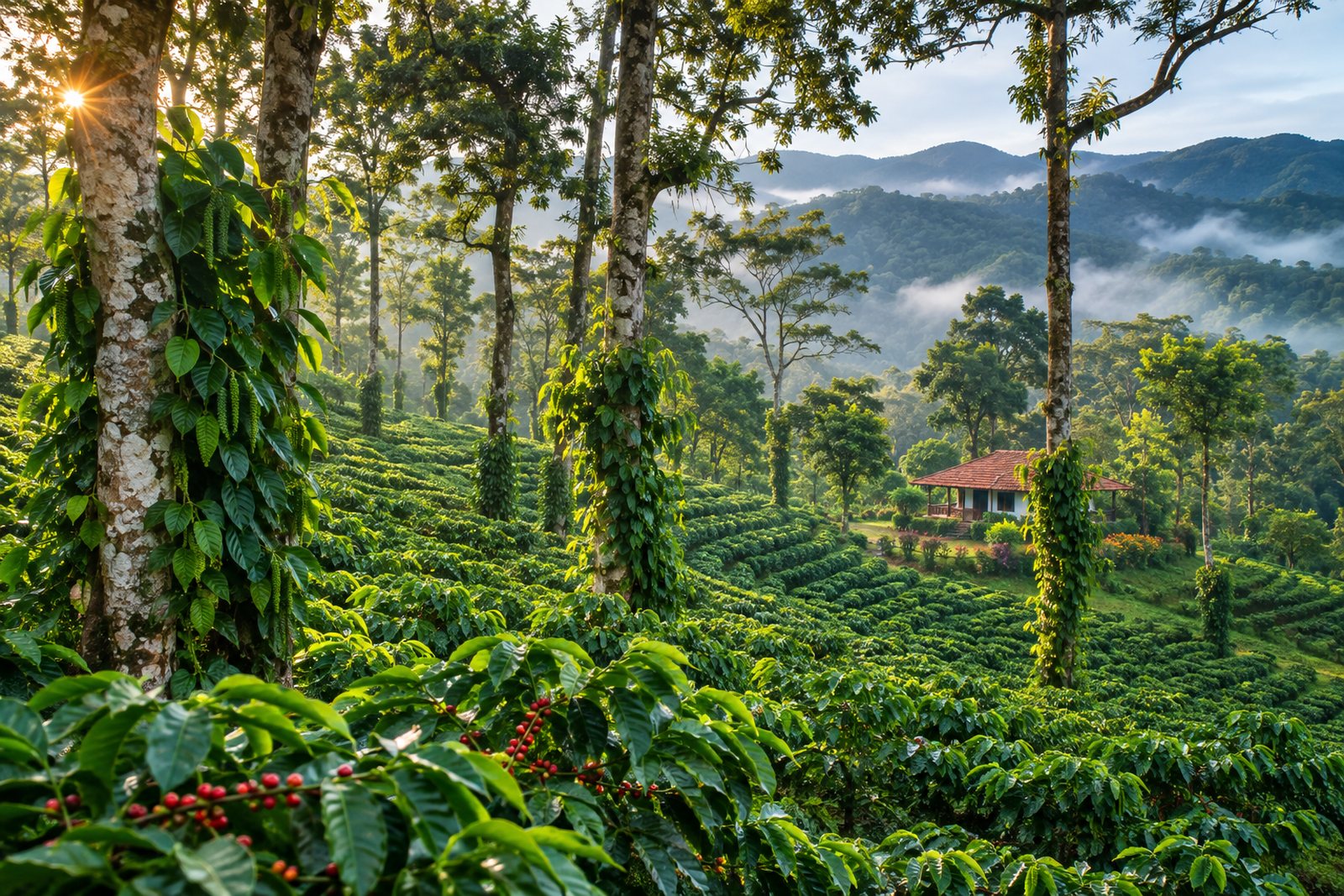
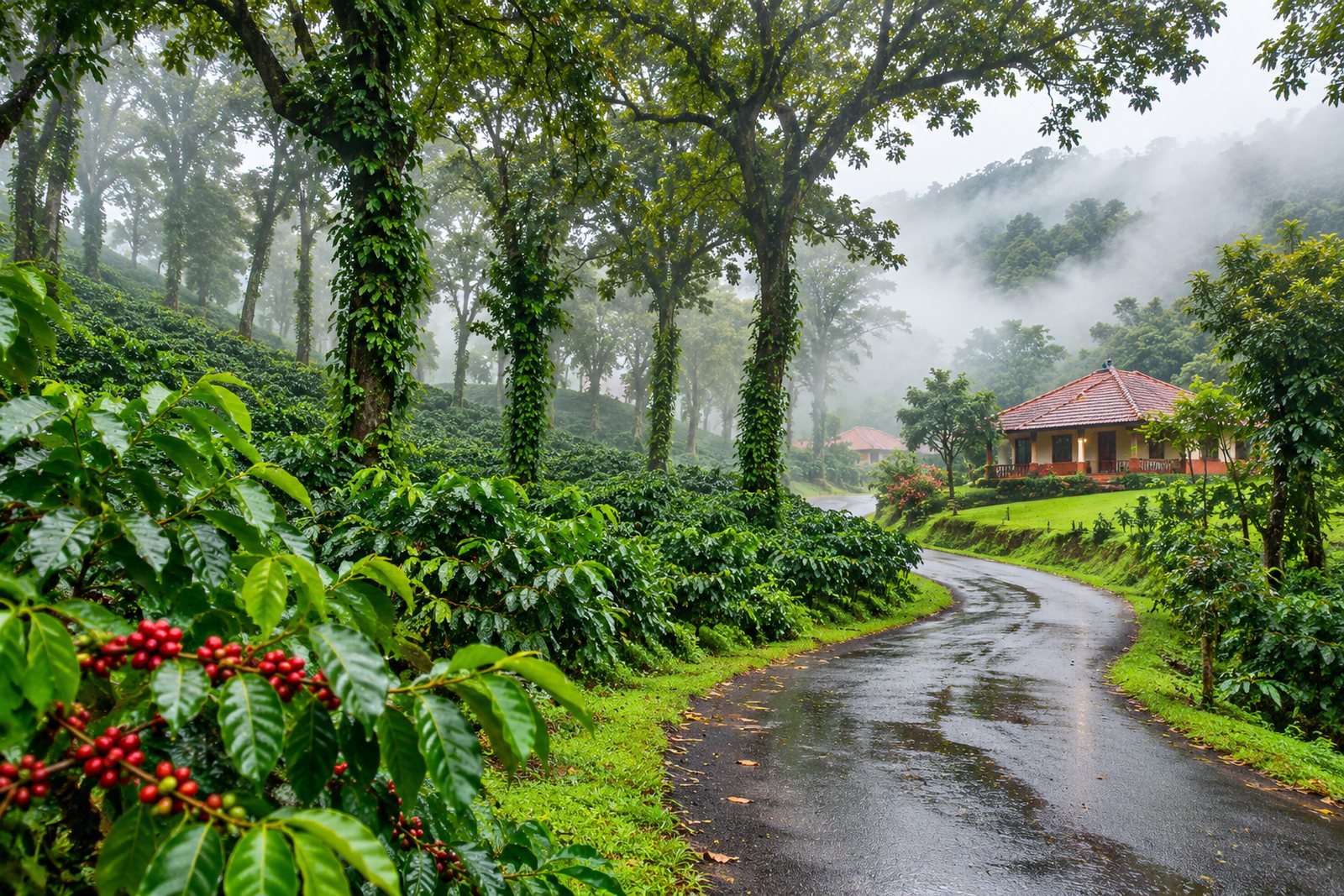
The first thing Coorg does is slow your car down. One moment you are on a highway out of Mysore, the next the road narrows, silver oaks tower on both sides, and the air through the window smells of wet earth and something sharp. Pepper, the driver says. It grows on the trees.
Here is a practical list of things to do in Coorg, arranged the way a local would plan your days: misty mornings, lazy afternoons, and a sunset you should not miss.
Start in Madikeri: Raja's Seat, the fort and Abbey Falls
Madikeri is the main town of Kodagu, as Coorg is officially called, and most trips begin here.
Abbey Falls is a short drive out of town, down a path through coffee and spice plantations. After the monsoon it thunders; by late winter it is gentler. Either way, the walk down through the estates is half the fun. There is a hanging bridge facing the falls, and yes, everyone takes the same photo.
Madikeri Fort sits right in town. It has changed hands over the centuries, under the Kodava rajas and later the British, and today houses offices and a small museum. A quick walk is enough.
Then keep your evening free for Raja's Seat. The story goes that the kings of Kodagu came here to watch the sun go down over the valleys, and you will see why. Layers of hills fade into blue as the light drops. Come a little early, grab a corn cob from a cart, and find a spot on the garden wall.
Dubare elephant camp: an early morning on the Kaveri
Set your alarm. Dubare is an elephant camp on the banks of the Kaveri, run with the forest department, and mornings are when the elephants are taken to the river to be scrubbed.
You usually cross the river by boat to reach the camp. Watching a mahout scrub a giant who is clearly enjoying it is oddly peaceful. What visitors can do, whether it is helping with the bath, feeding or a ride, changes with official rules, so check locally rather than going by an old video.
Rafting on the Kaveri near Dubare is possible in season when water levels allow. Ask on the day.
Our tip: Wear clothes you do not mind getting splashed in, and carry a dry pair in the car. The kids will end up wet whether or not the elephants are involved.
Nisargadhama and the Golden Temple at Bylakuppe
After Dubare, two stops sit close together near Kushalnagar.
Nisargadhama is a forested island in the Kaveri, reached by a hanging bridge. Bamboo groves, a deer enclosure, treehouse-style platforms. It is a gentle, shaded walk that suits nani and the toddler equally.
Then comes the surprise of the trip: Bylakuppe, home to one of the largest Tibetan settlements in India. The Namdroling Monastery, popularly called the Golden Temple, has enormous gilded statues of the Buddha and Padmasambhava inside a bright hall. Walk in quietly, sit for a few minutes, and listen if the monks are chanting.
Did you know? Bylakuppe was set up as a settlement for Tibetan refugees in the early 1960s. Today it has monasteries, schools and lanes of momo and thukpa stalls, a little Tibet in the middle of Karnataka.
Talacauvery and Bhagamandala: where the Kaveri begins
For many South Indian families, Coorg is also a pilgrimage. Talacauvery, high on the Brahmagiri hills, is revered as the source of the Kaveri river. A small kundike (tank) marks the spot, and steps lead up to a viewpoint where, on a clear day, ridges roll away in every direction.
On the way down is Bhagamandala, where the Kaveri meets the Kannike and the mythical Sujyoti river, a triveni sangam. The temple here has a distinct Kerala-style sloping roof.
The festival of Tula Sankramana, usually in mid-October, draws large crowds of devotees to Talacauvery. Dates follow the calendar, so check if you plan around it.
Iruppu Falls, further south near Nagarhole, is often added to this day, especially by those heading back towards Mysore.
A coffee estate walk (and what you will learn)
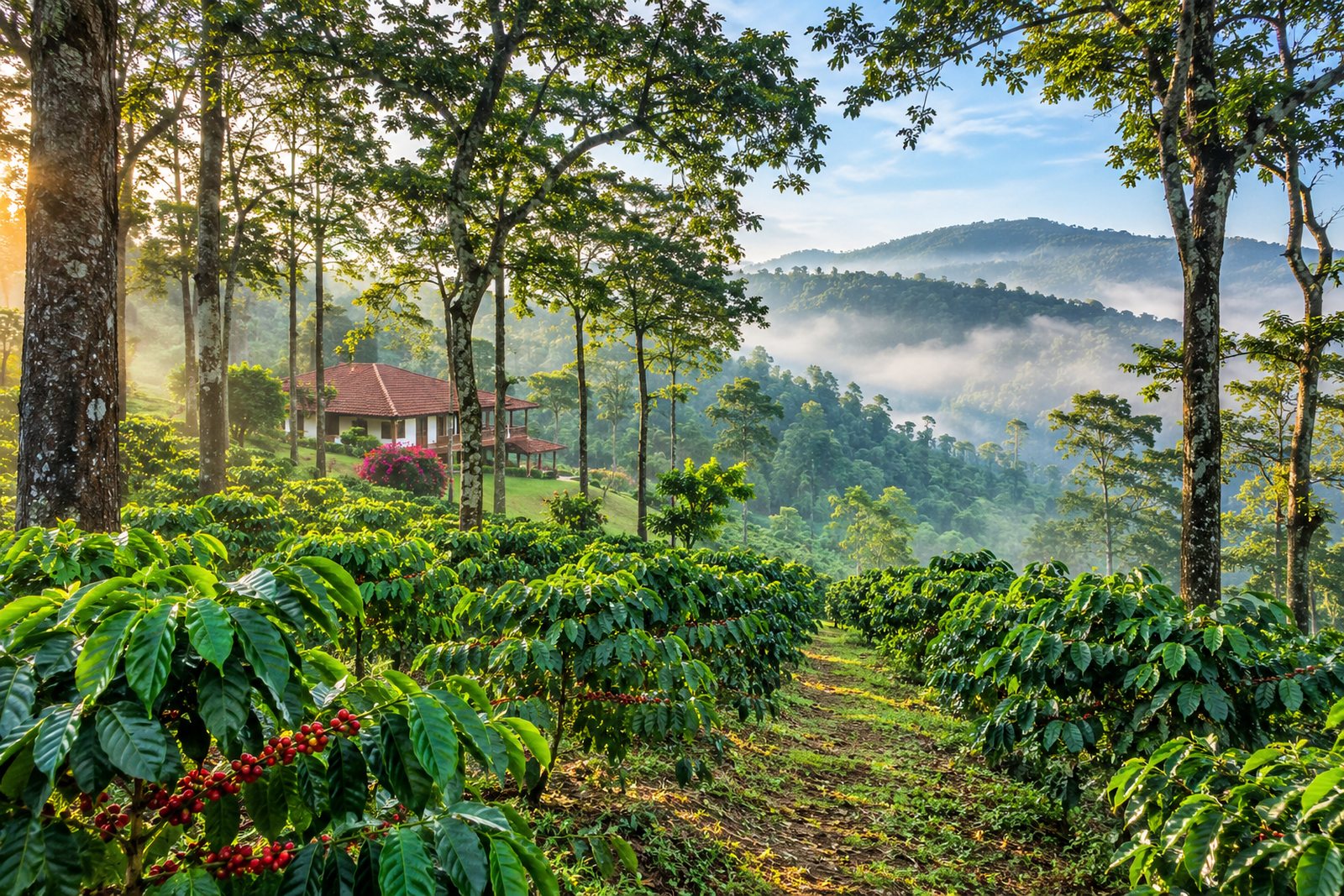
You cannot do Coorg without understanding coffee. Many homestays and estates offer a morning walk through their plantation. You will learn the difference between arabica and robusta, see how coffee grows under shade trees, and spot pepper vines climbing those silver oaks.
If you visit between roughly December and February, you may see the harvest, with ripe red cherries being picked and dried. Bring back a pack of local filter coffee powder; your kitchen will thank you.
What to eat in Coorg
Kodava food is its own thing. Try:
- Pandi curry: Dark, tangy pork curry, the region's most famous dish.
- Kadambuttu: Steamed rice balls, perfect with curry.
- Akki roti: Rice-flour flatbread.
- Bamboo shoot curry in season.
Vegetarians are well looked after with South Indian meals and local vegetable curries.
How to fit it all in
Coorg usually begins from Bengaluru or Mysore by road, and the best way to see it is with a car and driver, because the sights are spread out.
The Coorg Getaway gives you three nights in Coorg with a day each for Madikeri, Dubare and Talacauvery, as per the package itinerary. If you want Mysore Palace and Srirangapatna too, Mysore & Coorg splits two nights each. And Bangalore Mysore Coorg adds a night in Bengaluru with Lalbagh and the palace.
Quick planning notes
- Best time: October to March for clear days; monsoon for waterfalls and green.
- Pack: Light woollens in winter, rain gear and leech socks in monsoon, good walking shoes all year.
- Roads: Winding but mostly fine; motion-sickness tablets help some travellers.
- Timings and entry rules: For Dubare, the monastery and the falls, check locally.
Coorg is not about ticking off a list. It is the cup of coffee on a homestay verandah while the mist lifts off the estate. Leave room for that.
Planning South India? Read our Bangalore Mysore Coorg trip guide or browse all Coorg holiday packages.
Frequently asked questions
How many days are enough for Coorg?
Two to three days covers Madikeri, Abbey Falls, Raja's Seat, Dubare, Bylakuppe and Talacauvery at an easy pace. Add a day if you want a slow estate stay.
What is the best time to visit Coorg?
October to March is pleasant and dry. The monsoon from June to September makes the falls roar and the hills green, but expect heavy rain, leeches and slippery paths.
Can you bathe elephants at Dubare?
Dubare elephant camp on the Kaveri is known for morning elephant bathing. What visitors can do changes with forest department rules, so check locally before you go.
Is Coorg good for a family trip with kids?
Yes. Dubare, Nisargadhama's bamboo bridges, the Golden Temple at Bylakuppe and Raja's Seat garden are easy for kids and seniors. Keep falls visits short in heavy rain.
What food is Coorg famous for?
Kodava cuisine is known for pandi curry (pork), kadambuttu rice balls, akki roti and bamboo shoot curry. Vegetarians will find plenty of South Indian meals too.